Clinical documentation is one of the biggest contributors to physician burnout. Providers must listen to patients, make clinical decisions, update records, code visits, manage follow-ups, and complete notes accurately. When documentation extends into evenings and weekends, it reduces clinician satisfaction and affects care quality. AI medical scribe services are gaining attention because they can help clinicians reduce after-hours charting while preserving physician control over the final record.
An AI scribe listens to or processes a patient encounter and helps convert the conversation into a structured clinical note. The goal is not to replace clinical judgment. Instead, the technology supports documentation by organizing relevant details into formats such as history of present illness, assessment, plan, medication changes, and follow-up instructions. The physician reviews, edits, and approves the final note before it becomes part of the patient record.
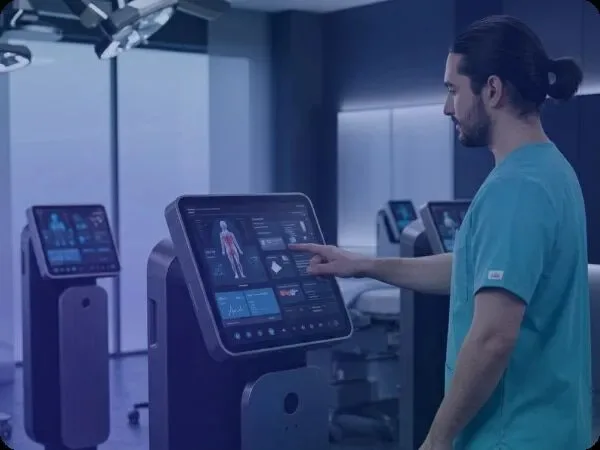
The value of an ai medical scribe is strongest when it fits naturally into the clinical workflow. Doctors do not want another tool that interrupts the visit. They need documentation support that works with EHR systems, specialty templates, voice patterns, visit types, and organizational policies. When designed correctly, AI scribe workflows allow physicians to maintain eye contact with patients instead of spending the visit typing into a screen.
Why healthcare organizations are adopting AI scribes
Healthcare leaders are exploring AI scribes because documentation burden affects productivity, patient experience, and revenue cycle management. Incomplete or delayed documentation can create coding delays, missed follow-up instructions, and billing issues. Better documentation workflows help ensure that clinical notes are completed promptly and accurately, which supports both care continuity and claim readiness.
A healthcare ai scribe can also improve consistency across providers. Specialty-specific prompts, documentation templates, and review workflows can help capture the right details for cardiology, primary care, orthopedics, behavioral health, urgent care, or chronic care visits. This reduces variation and gives clinical teams a more standardized way to complete records without forcing every visit into the same rigid format.
Healthcare software development plays a key role in making AI scribe tools safe and useful. Organizations need secure data handling, role-based access, audit trails, EHR integration, consent workflows, and configurable templates. A custom implementation can align the AI scribe with clinical documentation improvement programs, billing workflows, compliance requirements, and provider preferences.
The future of AI medical scribing will focus on responsible automation. The best solutions will not simply produce long summaries; they will create clinically useful notes that are easy to review, easy to edit, and easy to trust. Providers will remain responsible for medical decisions, while AI reduces the repetitive work around note creation. For organizations looking to improve clinician experience and operational efficiency, AI scribe services are becoming an important part of modern healthcare documentation strategy.