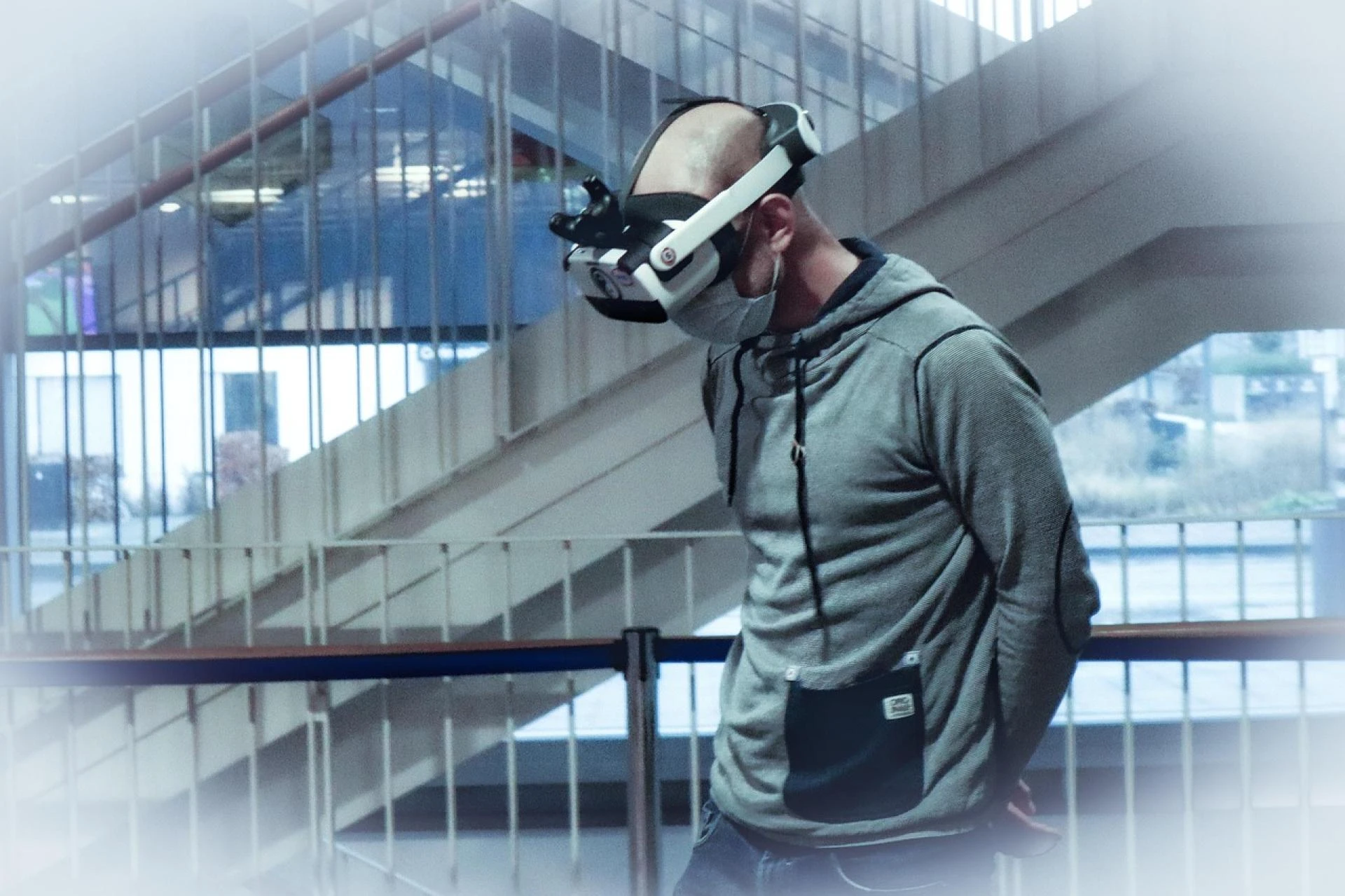
One of the most significant challenges organizations face in employee training is ensuring that knowledge gained during sessions is retained and applied effectively on the job. Traditional training methods, such as lectures or slide-based courses, often fail to engage learners fully or provide sufficient hands-on practice, leading to gaps in knowledge retention. A VR Training solutions addresses this challenge by offering immersive, interactive, and repeatable practice environments that enhance memory retention and skill mastery, ensuring employees are better prepared for real-world scenarios.
The Challenge of Knowledge Retention
Despite the resources and effort invested in employee training, retention rates for traditional methods are often low. Common challenges include:
- Passive Learning: Lectures and presentations engage employees minimally, resulting in reduced understanding and recall.
- Limited Practice Opportunities: Employees may not have access to real equipment or scenarios to apply theoretical knowledge.
- Time Gaps: Delays between training and on-the-job application can lead to knowledge decay.
- Inconsistent Instruction: Variations in trainers or content delivery can create gaps in understanding.
These challenges demonstrate the need for a training approach that goes beyond passive learning and emphasizes active, experiential practice.
How VR Training Enhances Knowledge Retention
A VR Training solution improves retention by combining immersive environments with interactive practice. Here’s how it works:
1. Immersive Learning Environments
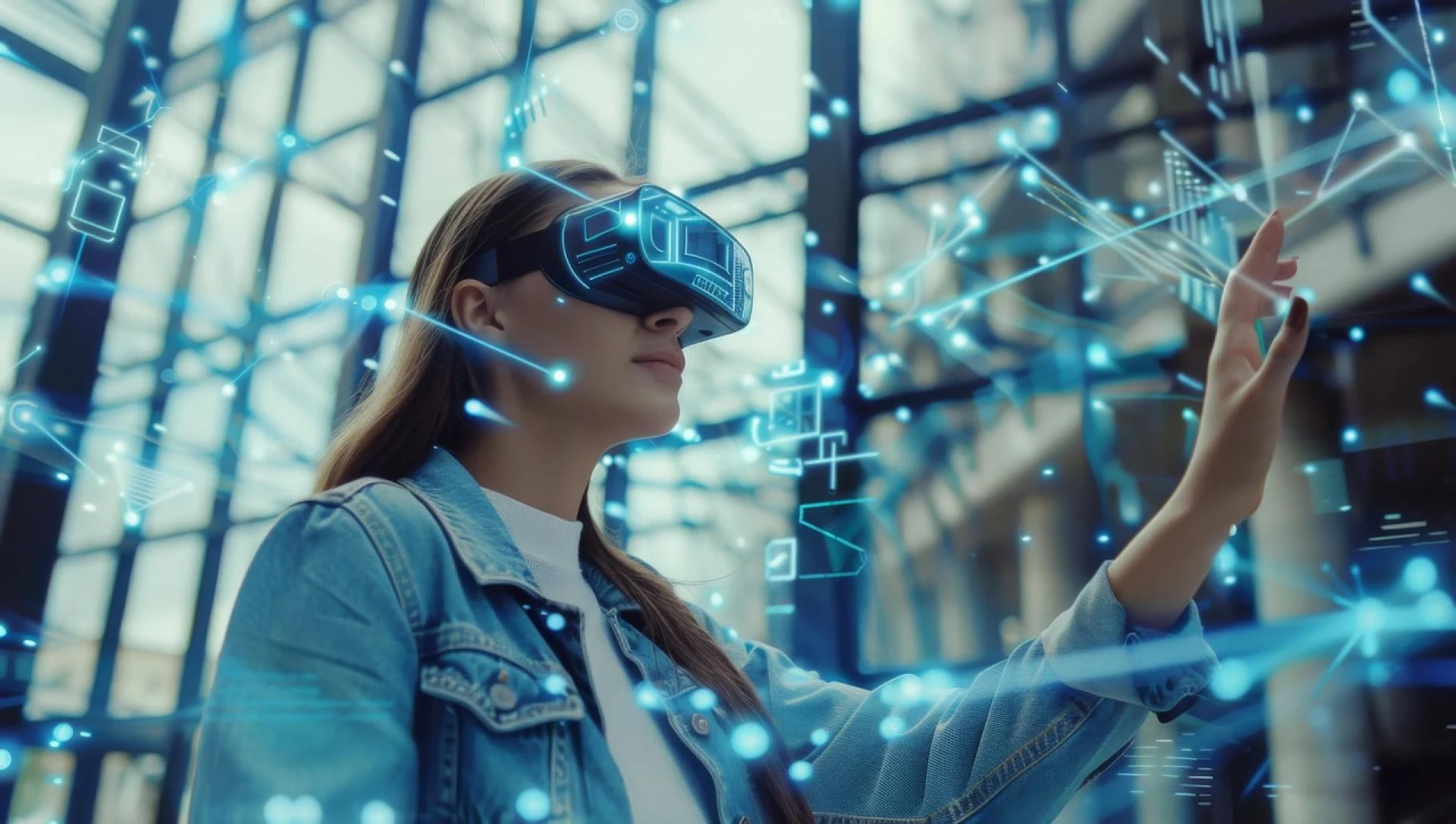
VR immerses learners in realistic simulations, engaging multiple senses simultaneously. Employees can see, hear, and interact with elements of their work environment, which enhances memory formation and helps encode information more effectively than passive methods.
2. Hands-On Practice
Employees can perform tasks and practice procedures repeatedly in VR. For example, a manufacturing worker can simulate operating machinery, or a healthcare professional can rehearse patient care procedures. This active engagement strengthens the connection between knowledge and action, making it easier to recall information when needed.
3. Repetition Without Risk
VR allows employees to repeat exercises as often as necessary without fear of mistakes or damage to equipment. Repetition is a key factor in retention, and VR provides a safe, controlled environment to practice until mastery is achieved.
4. Real-Time Feedback
Many VR platforms offer instant feedback on actions, decision-making, and task completion. Employees can immediately identify errors, correct them, and reinforce correct procedures, further enhancing long-term retention.
5. Contextual Learning
VR situates training within a realistic context, allowing employees to learn procedures as they would perform them on the job. This context-driven practice helps learners understand the relevance of each step, which strengthens memory and application.
Key Benefits of VR Training for Knowledge Retention
Implementing VR for employee training provides numerous advantages beyond improved memory:
- Faster Skill Acquisition: Immersive and interactive practice accelerates learning, reducing the time needed to achieve proficiency.
- Consistent Training Quality: Standardized VR modules ensure all employees receive identical instruction, eliminating knowledge gaps caused by variations in teaching.
- Higher Engagement: Interactive simulations are more engaging than lectures, keeping learners focused and motivated.
- Reduced Errors: Better retention translates to fewer mistakes on the job, improving efficiency and safety.
- Scalability: VR modules can be deployed across multiple locations, allowing large teams to benefit from consistent training experiences.
Practical Applications Across Industries
VR training has proven effective in enhancing knowledge retention in a variety of sectors:
- Healthcare: Doctors and nurses can practice surgical procedures, emergency protocols, and patient care routines in VR, retaining knowledge for real-world application.
- Manufacturing: Workers can rehearse assembly line processes, equipment handling, and safety procedures multiple times, minimizing mistakes on the shop floor.
- Aviation: Pilots and crew members can simulate flight operations and emergency drills repeatedly, ensuring critical skills are retained under pressure.
- Customer Service: Employees can practice interactions with clients or customers in various scenarios, reinforcing best practices for communication and problem-solving.
Strategies to Maximize VR Training Effectiveness
Organizations can optimize VR training to further improve knowledge retention:
- Focus on Critical Skills: Prioritize training for tasks where retention is crucial for safety, efficiency, or quality.
- Incorporate Gamification: Use challenges, scoring, and rewards in VR to increase engagement and motivation.
- Encourage Repetition: Allow employees to practice scenarios multiple times to reinforce learning.
- Integrate Assessments: Include VR-based assessments to measure retention and ensure mastery of skills.
- Blend with Traditional Methods: Complement VR with short theoretical sessions or coaching for a comprehensive learning experience.
Conclusion
A VR Training solution is transforming the way organizations enhance knowledge retention. By providing immersive, interactive, and repeatable practice environments, VR allows employees to internalize skills and knowledge more effectively than traditional methods. The result is a workforce that is more confident, proficient, and ready to apply learning on the job. For companies aiming to improve efficiency, reduce errors, and maximize the impact of training, VR represents a scalable and highly effective solution for retaining critical knowledge.
To explore more about our work and real-time updates, check out AutoVRse on Twitter, Instagram, and LinkedIn.