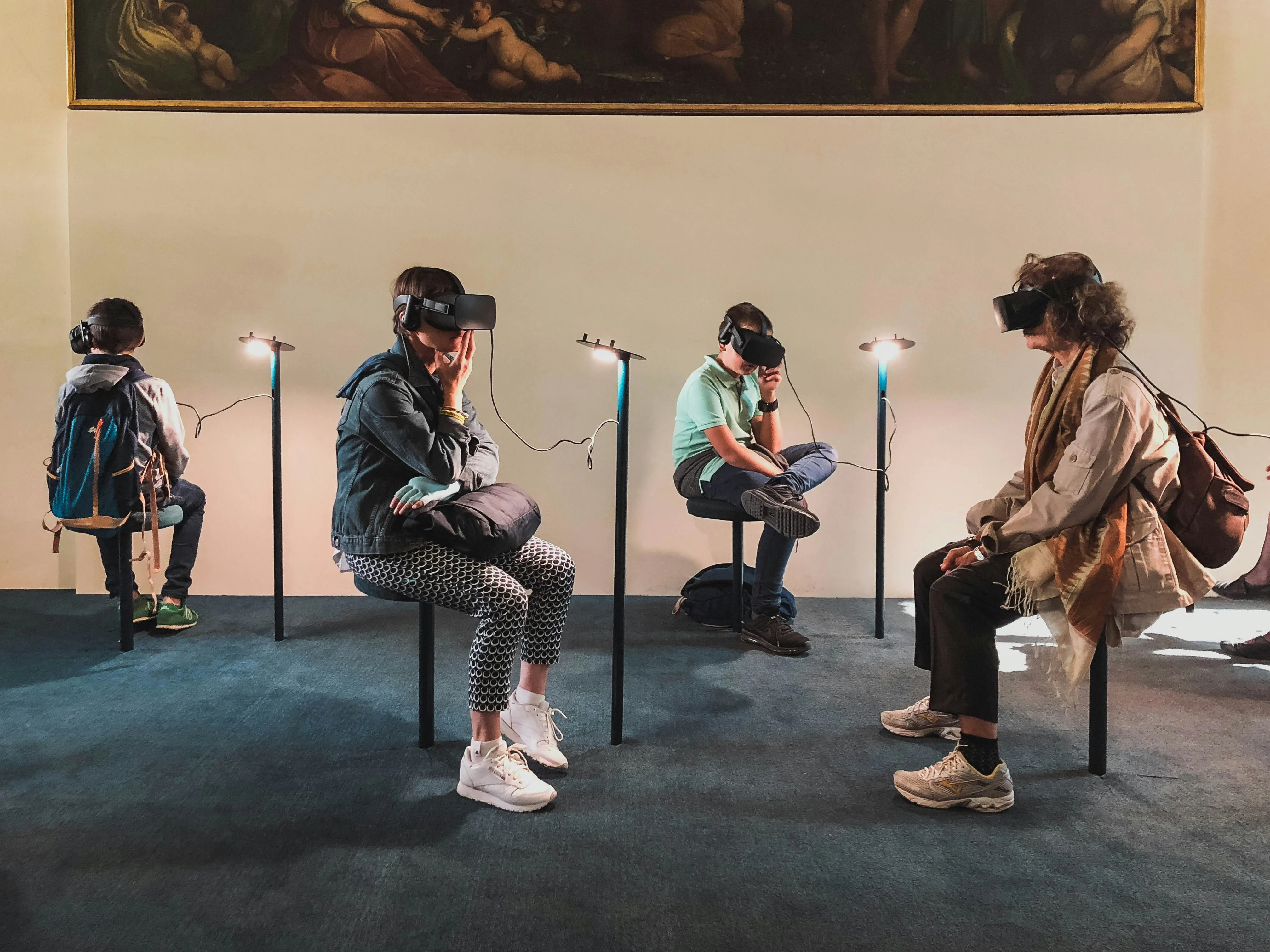
Mental health in the workplace has evolved from a secondary concern into a critical organisational priority. As businesses face increasing pressure to support employee wellbeing, traditional training approaches often fall short in delivering meaningful, practical outcomes. A specialist VR training company like AutoVRse is addressing this gap by developing immersive, VR-based solutions that go beyond awareness and focus on real skill-building from manager training to hands-on stress management experiences.
The Workplace Mental Health Challenge
Mental health issues are now one of the leading causes of absenteeism, burnout, and reduced productivity worldwide. Despite growing awareness, many organisations struggle to provide effective support systems. Common barriers include stigma, lack of training, and reliance on outdated methods such as lectures or static e-learning modules. These approaches may inform employees but rarely equip them with the confidence or skills needed to handle real-life mental health situations in the workplace.
Manager Training for Real Conversations
One of the most influential factors in workplace mental health is the role of managers. Employees are more likely to seek support when managers are approachable, empathetic, and well-trained. AutoVRse addresses this by creating realistic VR scenarios where managers can practice identifying early signs of mental health challenges, initiating sensitive conversations, and responding appropriately. Unlike traditional role-play exercises, VR provides a safe yet immersive environment where managers can learn through experience, receive feedback, and improve their communication skills.
Building Stress Management and Resilience
In addition to managerial training, AutoVRse offers VR-based modules focused on stress management and resilience. These immersive experiences allow employees to engage with real-world scenarios where they can apply proven techniques such as mindfulness, breathing exercises, and problem-solving strategies. Practicing these skills in a simulated environment helps reinforce learning and makes it easier for employees to apply them during actual stressful situations.
Reducing Stigma Through Immersive Experiences
A major barrier to mental health support is workplace stigma. Many employees hesitate to speak up due to fear of judgment or misunderstanding. AutoVRse uses perspective-driven VR experiences to address this issue by helping users understand what it feels like to experience mental health challenges. This fosters empathy among colleagues and leaders, encouraging a more supportive and open work culture.
Conclusion
As mental health becomes a defining factor in employee satisfaction, retention, and overall organisational success, companies must adopt more effective and scalable training solutions. VR technology offers a powerful way to build real competency, not just awareness. AutoVRse is leading this transformation by enabling organisations to create safer, more empathetic workplaces through immersive learning.
To explore more about our work and real-time updates, check out AutoVRse on Twitter, Instagram, and LinkedIn.