A stroke can change a person's life within minutes, affecting mobility, speech, memory, balance, and independence. While emergency medical treatment is critical, the journey toward regaining function begins after stabilization. This is where a Post-Stroke Rehabilitation Center plays a vital role. Through personalized therapy programs and expert multidisciplinary care, stroke survivors can regain strength, improve mobility, restore communication skills, and enhance their overall quality of life.
Whether someone has experienced a mild or severe stroke, early and structured stroke rehabilitation significantly improves long-term recovery outcomes. This article explains how stroke rehab works, the therapies involved, and why choosing a specialized rehabilitation center is essential for successful stroke recovery.
What Is a Post-Stroke Rehabilitation Center?
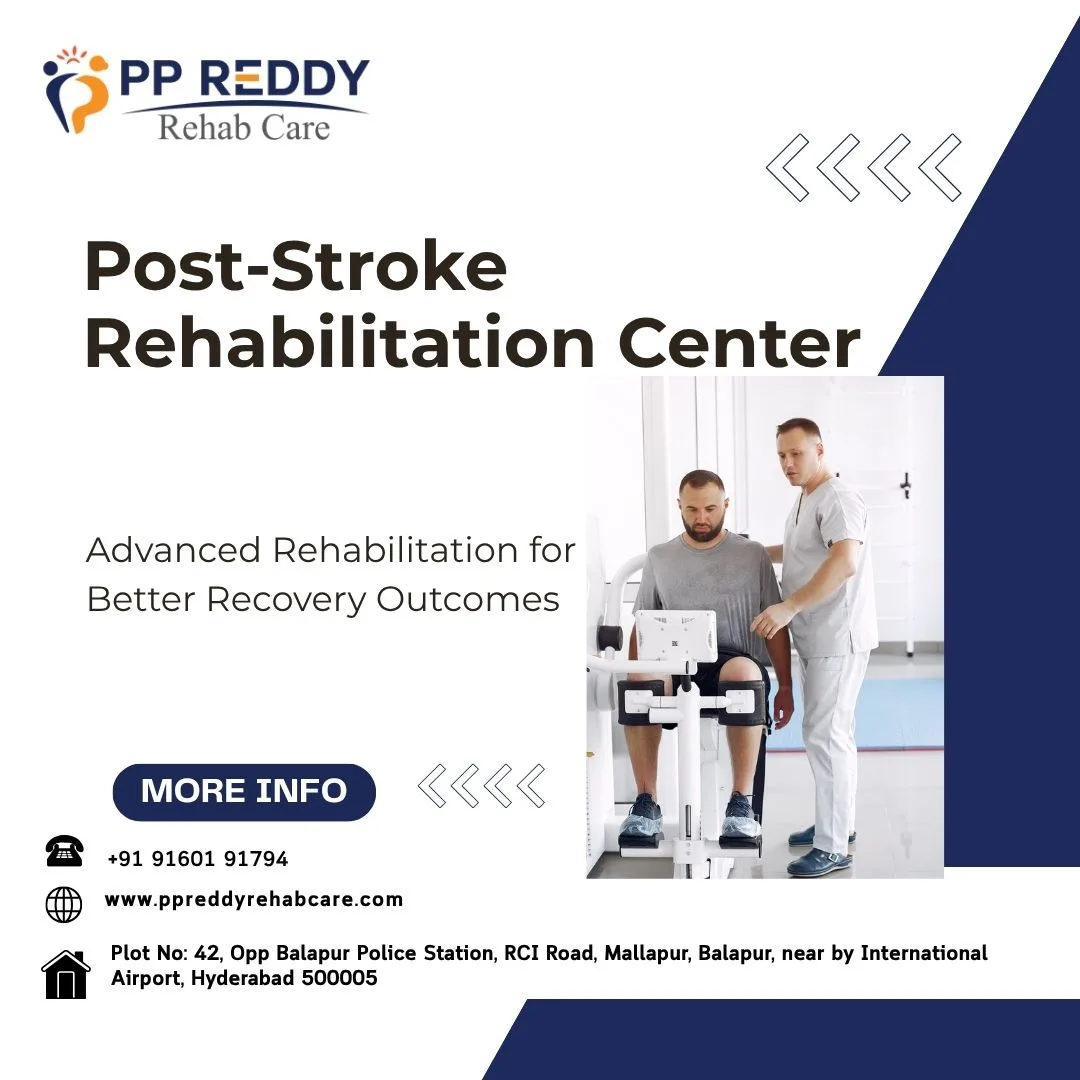
A Post-Stroke Rehabilitation Center is a specialized healthcare facility that helps individuals recover physical, cognitive, emotional, and functional abilities after a stroke. Recovery programs are tailored to each patient's condition and focus on restoring independence while preventing complications.
The goal of post stroke rehabilitation is not only to help patients regain lost abilities but also to teach new strategies for performing daily activities safely and confidently.
A dedicated rehabilitation team usually includes:
- Stroke rehabilitation specialists
- Physiotherapists
- Occupational therapists
- Speech-language pathologists
- Neurologists
- Rehabilitation nurses
- Psychologists
- Nutritionists
Together, they develop a comprehensive treatment plan that addresses every aspect of recovery.
How Does Stroke Rehabilitation Work?
Many families ask:
How does stroke rehabilitation work?
Stroke rehabilitation takes advantage of the brain's remarkable ability to reorganize itself—a process known as neuroplasticity. Through repetitive, goal-oriented exercises and therapies, healthy areas of the brain can learn to perform functions previously managed by damaged regions.
A structured rehabilitation program combines:
- Physical rehabilitation
- Functional training
- Cognitive therapy
- Speech and language rehabilitation
- Emotional support
- Family education
This multidisciplinary approach helps maximize recovery and improve daily functioning.
Physical Therapy: Restoring Strength and Mobility
One of the most important components of stroke rehabilitation is physical therapy for stroke patients.
Therapists focus on improving:
- Muscle strength
- Joint flexibility
- Walking ability
- Balance
- Coordination
- Endurance
Patients participate in individualized stroke rehabilitation physiotherapy sessions that gradually rebuild movement and confidence.
Common stroke rehabilitation exercises include:
- Range-of-motion exercises
- Strength training
- Balance exercises
- Gait training
- Stretching routines
These therapies significantly improve overall stroke recovery.
Improving Arm and Hand Function
Many stroke survivors experience weakness or paralysis affecting the upper limb.
Specialized stroke rehabilitation for arm focuses on restoring shoulder, elbow, and wrist movements through repetitive functional exercises.
Likewise, stroke rehabilitation for hand aims to improve:
- Grip strength
- Finger coordination
- Fine motor skills
- Dexterity
- Daily task performance
Therapists often recommend stroke rehabilitation exercises for hand at home to reinforce progress between therapy sessions.
Consistent practice helps patients regain greater independence in activities such as eating, dressing, and writing.
Regaining Walking and Balance
Walking difficulties are common after stroke due to muscle weakness, poor coordination, and balance problems.
A specialized Post-Stroke Rehabilitation Center provides:
- Stroke rehabilitation for walking
- Stroke rehabilitation for balance
- Weight-shifting exercises
- Gait retraining
- Stair-climbing practice
- Assistive device training
Patients with stroke rehab for foot drop may also receive ankle-foot orthoses, electrical stimulation, or targeted strengthening exercises to improve foot clearance and walking safety.
Additionally, therapists prescribe leg exercises after stroke to strengthen muscles and reduce the risk of falls.
Speech and Communication Recovery
Communication challenges can significantly affect quality of life following a stroke.
Speech therapy after stroke helps patients improve:
- Speaking
- Understanding language
- Reading
- Writing
- Swallowing
Individuals with language disorders often require specialized therapy for aphasia recovery after stroke, enabling them to regain communication skills through structured language exercises and cognitive training.
Early speech therapy improves long-term communication outcomes and supports social reintegration.
Cognitive Rehabilitation After Stroke
Stroke does not only affect movement—it can also impact memory, attention, problem-solving, and decision-making.
Cognitive rehabilitation after stroke focuses on improving:
- Memory
- Concentration
- Executive functioning
- Visual perception
- Problem-solving abilities
Therapists use structured exercises and real-life activities to rebuild cognitive skills, allowing patients to return to work, hobbies, and daily responsibilities more confidently.
Occupational Therapy for Everyday Independence
Another essential part of recovery is occupational therapy after stroke.
Occupational therapists help patients relearn everyday tasks such as:
- Dressing
- Bathing
- Cooking
- Grooming
- Writing
- Using electronic devices
Adaptive equipment and home modifications may also be recommended to promote independence and safety during recovery.
Neuro Rehabilitation for Stroke
Neuro rehabilitation for stroke integrates multiple therapies designed to improve brain function and physical performance simultaneously.
This specialized rehabilitation emphasizes:
- Motor relearning
- Sensory stimulation
- Functional task practice
- Coordination training
- Balance improvement
- Mobility restoration
Working closely with a stroke rehabilitation specialist, patients receive personalized therapy plans that evolve as recovery progresses.
Frequently Asked Questions About Stroke Rehabilitation
How Long Does Stroke Rehabilitation Take?
A common question is:
How long does stroke rehabilitation take?
Recovery varies depending on:
- Stroke severity
- Age
- Overall health
- Early intervention
- Patient motivation
Some individuals recover within a few months, while others continue improving for years through ongoing rehabilitation.
What Is the Stroke Recovery Timeline?
The stroke recovery timeline differs for every individual.
Generally:
- First few weeks: Rapid recovery with intensive rehabilitation.
- First three months: Greatest improvements usually occur.
- Six months and beyond: Continued progress through consistent therapy and home exercises.
Even long-term improvements are possible with regular rehabilitation.
How to Speed Up Stroke Recovery?
Many patients ask:
How to speed up stroke recovery?
Recovery can be enhanced by:
- Starting rehabilitation early
- Attending therapy consistently
- Performing prescribed home exercises
- Maintaining healthy nutrition
- Staying physically active
- Managing blood pressure and diabetes
- Getting adequate sleep
- Remaining mentally engaged
Consistency is the key to maximizing recovery.
What Is the Best Exercise After a Stroke?
There is no single best exercise.
The ideal program combines:
- Walking practice
- Balance exercises
- Strength training
- Stretching
- Hand coordination exercises
- Functional movement training
A rehabilitation specialist customizes exercises based on each patient's needs and abilities.
Can You Fully Recover From a Stroke?
Many people wonder:
Can you fully recover from a stroke?
Some individuals achieve near-complete recovery, particularly with early intervention and intensive rehabilitation. Others may experience lasting impairments but can still regain significant independence through comprehensive stroke rehab.
Every recovery journey is unique, and ongoing therapy often continues to improve function well beyond the initial months.
Why Choose PP Reddy Rehab Care?
For individuals seeking expert rehabilitation services, PP Reddy Rehab Care is committed to providing comprehensive, patient-centered rehabilitation programs that help individuals recover mobility, strength, endurance, and overall functional independence.
In addition to neurological rehabilitation, PP Reddy Rehab Care offers a specialized Cardiac Rehabilitation Program designed for individuals recovering from heart attacks, cardiac surgeries, angioplasty, heart failure, and other cardiovascular conditions. Their multidisciplinary team provides personalized treatment plans that include supervised exercise training, physiotherapy, cardiac conditioning, lifestyle modification, nutritional counseling, risk factor management, psychological support, and patient education. The program aims to improve cardiovascular health, restore physical function, reduce the risk of future cardiac events, and enhance overall quality of life through evidence-based rehabilitation.

Conclusion
Recovering from a stroke requires more than medical treatment—it demands comprehensive rehabilitation tailored to each individual's needs. A specialized Post-Stroke Rehabilitation Center provides expert stroke rehabilitation, advanced therapies, and multidisciplinary care that improve mobility, communication, cognition, and daily independence. From stroke rehabilitation exercises and speech therapy after stroke to occupational therapy after stroke and neuro rehabilitation for stroke, every aspect of recovery is carefully planned to maximize long-term outcomes.
For individuals seeking compassionate, evidence-based rehabilitation services, PP Reddy Rehab Care offers advanced rehabilitation programs delivered by experienced specialists dedicated to helping patients achieve the best possible recovery. With personalized treatment plans, modern rehabilitation techniques, and a holistic approach to patient care, PP Reddy Rehab Care remains a trusted choice for improving recovery outcomes, restoring confidence, and enhancing quality of life.