So what actually turns a practice loved by a few dedicated people into something your neighbor won't stop talking about? It's not a straight line. Not even close. Yet it keeps happening — wellness habit after wellness habit crossing from fringe territory into drugstore aisles and morning routines across the country. Pull on the thread and you find a whole knot of forces underneath: economics, psychology, timing, luck. All of it tangled up, quietly shaping what millions eventually decide to do with their bodies and their time.
The Early Adopter Phase
It always starts small. A handful of believers stumble onto something — maybe through an obscure forum, a dog-eared book, or a practitioner working well outside the medical mainstream — and they feel it works. These aren't passive people. They dig. They experiment. They haunt specialized corners of the internet most people never find. To the outside world? The trend is basically invisible. And honestly, the early crowd often prefers it that way. There's a quiet pride in knowing first. A sense of being ahead of something that hasn't broken yet — insider knowledge the rest of society is still oblivious to.
Social Proof and Community Growth
Then people start talking. Early adopters see results — or at least believe they do — and they tell someone. A friend. A Reddit thread. A group chat. Word spreads. And here's the thing about word-of-mouth: it taps into something primal. Humans watch what trusted people do, then mirror it. That's just how we're wired. Online platforms detonate this process; enthusiasm that once crawled through local networks now jumps continents overnight. Communities form fast. Newcomers arrive with questions; veterans offer encouragement. What began as one person's private experiment starts carrying real cultural weight.
Media Attention and Celebrity Influence
At some point, a journalist notices the chatter. They write a piece. Suddenly millions of readers who'd never heard of the thing are at least mildly curious. Celebrity adoption hits even harder — a well-known athlete or actor publicly credits the practice, and their audience takes note. Legitimacy, desirability, social permission to try it. That's what celebrity endorsement buys. The "weird fringe thing" label starts to peel off. What looked eccentric six months ago now looks fashionable. Worth trying, even.
Commercialization and Accessibility
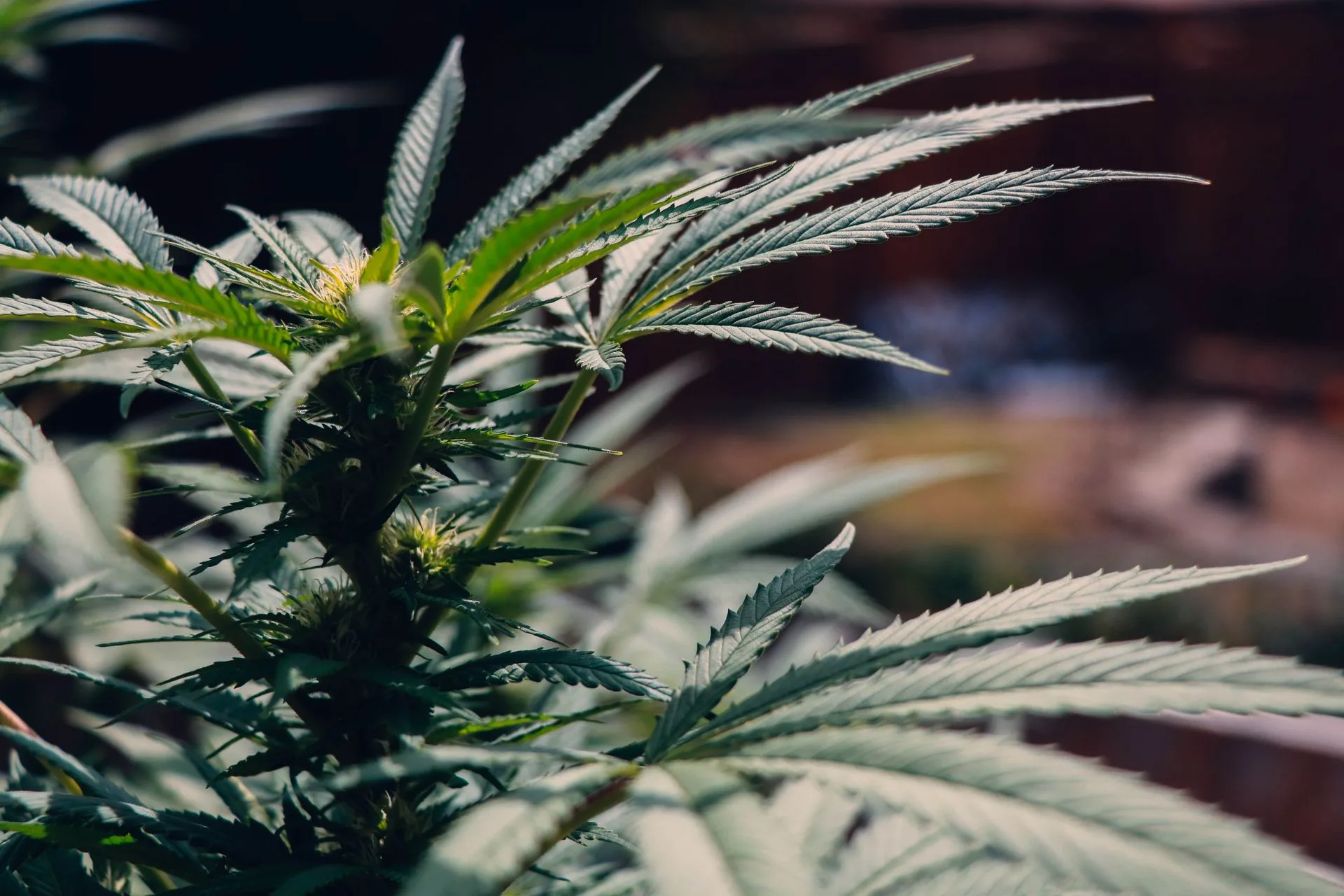
Money follows attention. Businesses spot the opportunity and move in fast — products launch, services multiply, and suddenly something that required hunting down a specialist or importing niche supplies is sitting on a shelf at the local retailer. Competition drives prices down. Barriers drop. Cannabis wellness is a sharp example of this arc; hobbyists interested in growing marijuana seeds at home quietly laid the groundwork for an industry that now spans licensed dispensaries, wellness brands, and mainstream retail shelves. Distribution networks explode outward. Adoption stops being a deliberate, effortful decision and starts being just... convenient.
Normalization in Daily Life
The final move is quieter than the others. No dramatic announcement. The practice just stops needing explanation. People mention it casually — at work, at dinner, in passing — and nobody asks what it is. Mainstream publications cover it without framing it as unusual. Workplace wellness programs add it. Medical facilities reference it. Corporate environments fold it in. That's the real finish line. Not widespread adoption, but the complete absence of raised eyebrows when someone brings it up. It's become part of the texture of everyday life. Unremarkable. Expected, even.
Conclusion
The route from niche curiosity to cultural fixture follows a recognizable pattern — early believers, community momentum, media coverage, commercial expansion, quiet normalization — and each stage fuels the next. It's not random. Not purely driven by marketing, either. The practices that complete the full journey tend to offer something people genuinely feel, backed by enough social reinforcement that it sticks. Watch any emerging wellness trend move through these phases and you're watching something bigger than health habits. You're watching how culture actually shifts — messily, incrementally, driven by people who believed in something before anyone else thought it mattered.