In our hyper-digital era, the sheer volume of spoken data—ranging from legal depositions and medical seminars to trending podcasts and corporate webinars—is staggering. However, recorded audio is often "raw" and "volatile"; it contains stutters, overlapping voices, and regional accents that can obscure the true meaning. The bridge between a chaotic audio file and a polished, legally-binding document is not just a software algorithm, but a human specialist. Understanding how a linguistic editor refines this data is essential for any organization that relies on the precision of an audio transcription company to preserve its intellectual property.
The Art of Capturing the Unspoken
Transcription is frequently misunderstood as a simple act of typing what is heard. In reality, it is a complex decoding process. When a professional audio transcription company receives a file, the first layer is the "verbatim" capture. But words alone do not tell the whole story. A linguistic editor steps in to interpret the "paralanguage"—the pauses, the tone, and the emphasis. Their job is to ensure that the final text isn’t just a string of words, but a coherent narrative that reflects the speaker's intent. This is particularly vital in sectors like law or journalism, where a misplaced comma or a misinterpreted "um" could change the entire context of a statement.
From Phonetics to Formal Documentation
The transformation process involves several rigorous stages of "textual grooming." A linguistic editor acts as a high-level filter, removing "filler words" while maintaining the speaker's unique "voice." They must possess a deep understanding of syntax and specialized jargon. For instance, in a medical conference transcript, the editor must verify complex pharmaceutical terms that a standard AI might misspell. This level of scrutiny is what differentiates a premium audio transcription company from a budget service. The goal is to produce a document that is ready for immediate professional use, whether it’s for a court filing or a published interview.
The Intersection of Transcription and Global Reach
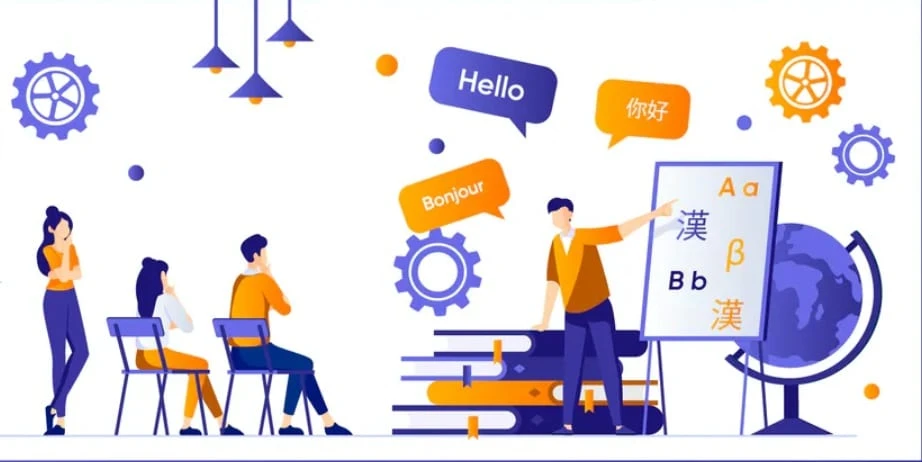
In many cases, the transcribed data needs to travel across borders. A global enterprise might record a strategy meeting in English but require the transcript to be officially recognized in another country. This is where the synergy between transcription and a certified translation company becomes paramount. Once the editor has finalized the "source" transcript, it serves as the foundation for an official translation. If the initial transcript is flawed, the subsequent translation will be inaccurate. By ensuring the source text is flawless, the editor provides a "clean slate" for the certified translation company to work from, ensuring that the legal and technical validity of the document remains intact globally.
Quality Control: The Human Firewall
Why do we still need a human linguistic editor in the age of AI? The answer lies in "contextual intelligence." AI often struggles with "homophones" (words that sound the same but have different meanings) or heavy background noise. The editor serves as the ultimate quality control mechanism. They cross-reference the audio with the text multiple times, checking for "inaudibles" and ensuring that names, dates, and technical specifications are 100% accurate. This meticulousness is the hallmark of a certified translation company that also offers transcription services, as they understand that "near-accurate" is never enough when professional reputations are on the line.
Streamlining Business Intelligence
Ultimately, the work of a linguistic editor turns "noise" into "knowledge." By organizing raw audio into structured, searchable, and grammatically perfect text, they enable businesses to archive and analyze their spoken data efficiently. Choosing a reputable audio transcription company that invests in high-level editorial talent is a strategic decision. It ensures that your spoken words are not just recorded, but are transformed into a valuable asset that can be translated, cited, and relied upon for years to come.
In the end, the transition from soundwaves to written symbols is a journey of refinement. It is the invisible hand of the editor that ensures clarity, protects the speaker's integrity, and prepares the data for a global stage, proving that in the world of language, the human touch remains the most sophisticated technology of all.