A well-designed outdoor space should be more than just visually appealing—it should also be practical, comfortable, and suited to your lifestyle. Whether it’s a residential garden, commercial property, or public outdoor area, functionality plays a crucial role in maximizing the value and enjoyment of the space. This is where a landscape architect can make a significant difference.
Landscape architects combine creativity, technical knowledge, and environmental understanding to create outdoor environments that are both beautiful and highly functional. Their expertise ensures that every element of a landscape serves a purpose while enhancing the overall experience of the space.
Optimizing Space Usage
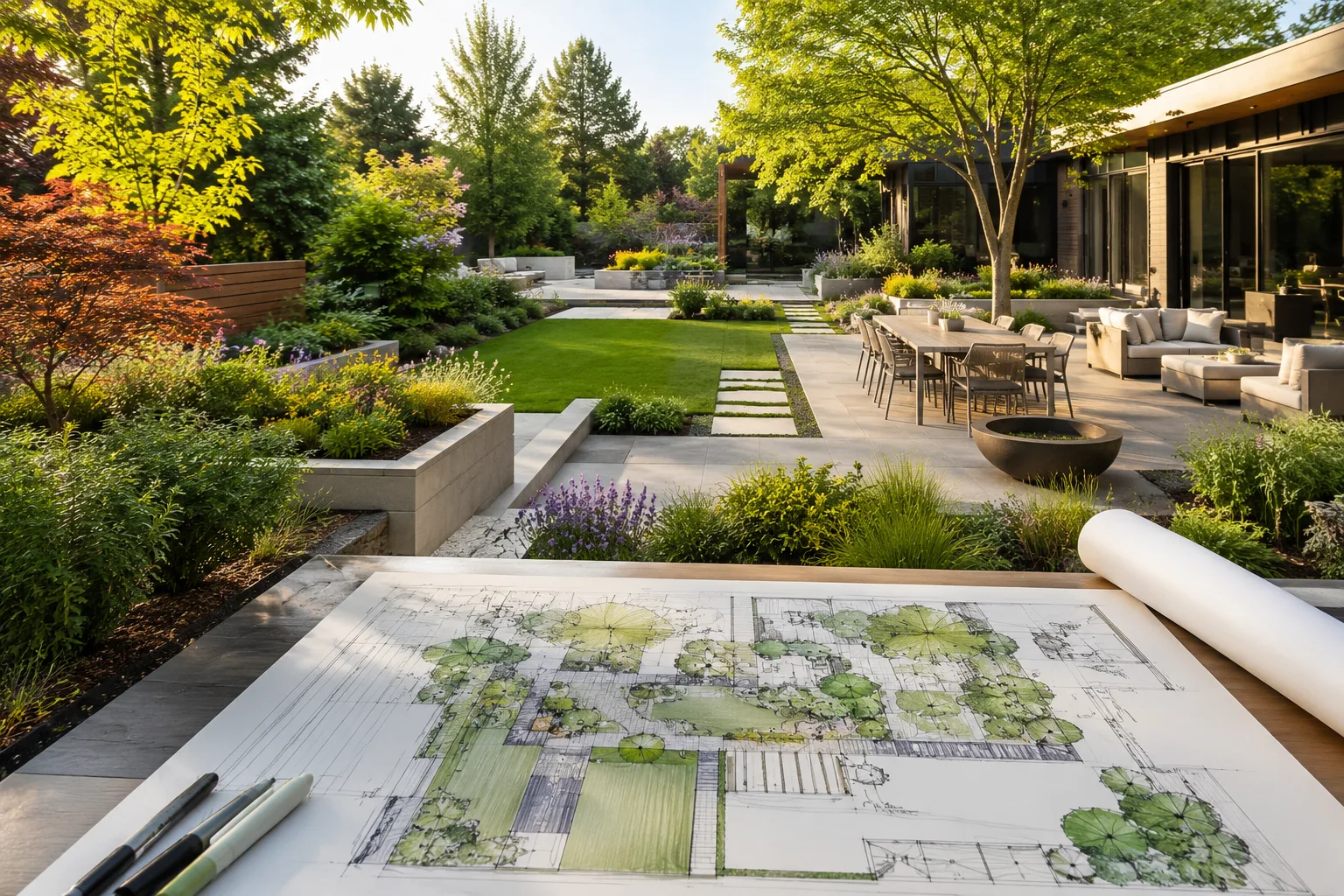
One of the primary benefits of hiring a landscape architect is their ability to make the most of available outdoor space. They carefully assess the property’s layout, dimensions, and natural features to develop a design that maximizes usability. Whether working with a compact backyard or a large estate, they can create designated areas for relaxation, entertaining, gardening, play, or recreation without making the space feel overcrowded.
By planning the layout strategically, a landscape architect ensures that every square metre contributes to the overall functionality of the property.
Improving Accessibility and Flow
A functional outdoor space should be easy to navigate. Landscape architects design pathways, patios, and connections between different areas to create a seamless flow throughout the property. They consider accessibility for people of all ages and abilities, ensuring that walkways are safe, practical, and visually integrated into the landscape.
Well-planned circulation routes make outdoor spaces more convenient and enjoyable while reducing potential hazards.
Enhancing Outdoor Living Areas
Modern homeowners increasingly view their outdoor spaces as extensions of their indoor living areas. Landscape architects can design outdoor kitchens, dining zones, lounges, fire pits, pergolas, and entertainment spaces that support everyday living and social gatherings.
By considering factors such as sunlight, shade, privacy, and wind exposure, they create outdoor environments that remain comfortable and functional throughout the year.
Solving Drainage and Environmental Challenges
Poor drainage can lead to water pooling, soil erosion, damaged plants, and unusable outdoor areas. Landscape architects assess site conditions and implement practical drainage solutions that protect the property and improve usability.
They also consider environmental factors such as soil quality, climate, and water efficiency. Sustainable design features, including rain gardens, permeable paving, and drought-tolerant plant selections, help create landscapes that require less maintenance while supporting long-term environmental health.
Selecting the Right Plants
Plant selection is about more than aesthetics. A landscape architect chooses plants that suit the local environment, maintenance requirements, and intended use of the space. Trees can provide shade, shrubs can create privacy, and groundcovers can reduce erosion and maintenance needs.
Thoughtful planting design enhances comfort, usability, and visual appeal while ensuring the landscape remains healthy and sustainable over time.
Increasing Property Value
Functional outdoor spaces often contribute significantly to property value. Professionally designed landscapes create a positive first impression and offer practical benefits that appeal to potential buyers. Features such as well-designed entertaining areas, attractive gardens, efficient irrigation systems, and durable hardscaping can increase both the marketability and long-term value of a property.
Conclusion
A landscape architect does far more than design attractive gardens. They create outdoor spaces that work efficiently, solve practical challenges, and support the way people live and interact with their environment. From improving accessibility and drainage to enhancing outdoor living and sustainability, their expertise transforms ordinary landscapes into functional, enjoyable, and valuable outdoor spaces that can be appreciated for years to come.