
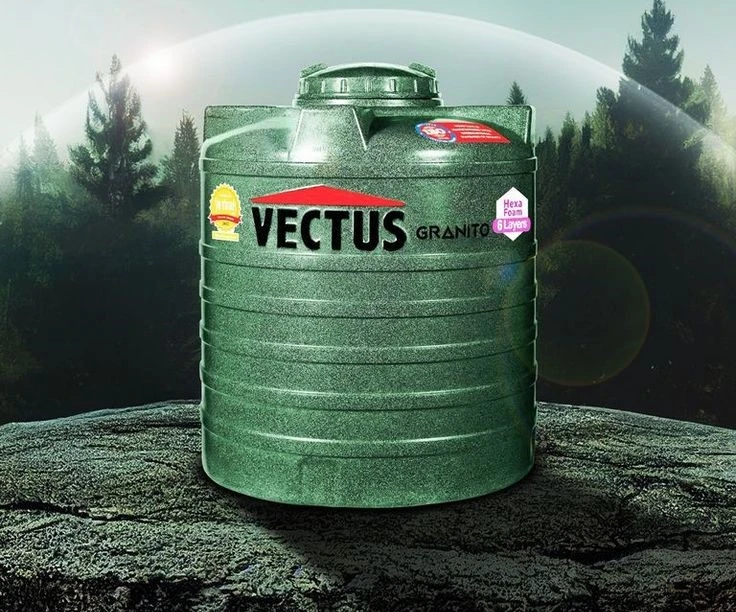
Clean water storage is essential for maintaining the health and safety of households and commercial spaces. In many areas, stored water is used daily for drinking, cooking, cleaning, and sanitation. However, improper storage conditions can lead to algae formation and bacterial contamination, which may affect water quality. This is why modern storage solutions like the 6 layer water tank have become increasingly popular for safe water management.
Advanced tank designs now focus not only on storing water but also on protecting it from contamination. With improved material technology and layered protection, these tanks help maintain hygiene and extend the life of stored water.
Why Algae and Bacteria Grow in Water Tanks
Before understanding how modern tanks prevent contamination, it is important to know why algae and bacteria develop in storage systems.
Algae typically grow when sunlight penetrates the tank and reaches the stored water. The presence of moisture, light, and nutrients creates the perfect environment for algae to flourish. Once algae begin to grow, they can cause unpleasant odor, discoloration, and slime formation.
Bacterial growth can occur due to several reasons such as dust, insects, or organic matter entering the tank. Poor tank material, cracks, or exposure to external pollutants can also contribute to contamination.
Traditional overhead water tanks sometimes struggle with these issues if they lack proper protection from sunlight and environmental factors.
What Makes a 6 Layer Water Tank Different
A 6 layer water tank is designed with multiple protective layers that work together to improve durability and hygiene. Each layer has a specific function that enhances the performance of the tank.
These layers generally include protective coatings, UV-resistant materials, and insulation barriers. The combination of these elements helps block sunlight, reduce heat transfer, and maintain better water quality.
Unlike conventional tanks, this multi-layer structure creates a strong barrier against external elements, making the tank more reliable for long-term water storage.
UV Protection to Prevent Algae Growth
One of the biggest reasons for algae formation in water tanks is exposure to sunlight. When sunlight enters the tank, it allows algae to grow rapidly inside the stored water.
A 6 layer water tank includes UV-stabilized outer layers that block harmful sunlight from penetrating the tank walls. By preventing light from entering the tank, the environment inside remains unsuitable for algae growth.
This UV protection plays a critical role in maintaining clean water. It also reduces the need for frequent cleaning caused by algae buildup.
Insulation That Controls Temperature
Temperature fluctuations inside the tank can also affect water quality. When water becomes too warm, it creates conditions that support bacterial growth.
Multi-layer tanks include insulation layers that reduce heat transfer from the outside environment. This helps maintain a relatively stable temperature inside the tank.
By controlling temperature changes, these tanks limit the conditions in which bacteria can multiply. As a result, stored water remains fresher for longer periods.
Many modern overhead water tanks use this technology to ensure that water stays safe even during extremely hot weather.
Anti-Microbial Protection Layers
Some advanced tanks incorporate special inner layers designed to resist microbial growth. These layers reduce the ability of bacteria to survive on the tank’s internal surfaces.
The inner surface of a 6 layer water tank is usually smooth and made from food-grade material. This prevents the accumulation of dirt, sediment, and microbial colonies.
Since bacteria find it difficult to attach and multiply on such surfaces, the water remains cleaner and safer for daily use.
Preventing External Contamination
Apart from algae and bacteria, external contamination is another major concern for stored water. Dust, insects, and debris can easily enter poorly designed tanks.
High-quality tanks are designed with secure lids and strong walls to prevent these contaminants from entering the system. When properly installed, modern overhead water tanks create a sealed environment that protects stored water from external pollutants.
This additional layer of protection further reduces the chances of bacterial contamination.
Improved Durability and Structural Strength
Durability is another key advantage of multi-layer water tanks. The layered structure makes the tank stronger and more resistant to environmental stress.
A 6 layer water tank is designed to withstand extreme weather conditions such as intense heat, heavy rainfall, and long-term outdoor exposure. The multiple layers prevent cracking, warping, and material degradation.
Because of this strength, the tank maintains its protective properties for many years, ensuring consistent water safety.
Reduced Maintenance Requirements
Traditional tanks often require frequent cleaning due to algae buildup or contamination. This can be time-consuming and inconvenient for homeowners.
Since modern tanks prevent sunlight exposure and microbial growth, they remain cleaner for longer periods. This significantly reduces the frequency of maintenance and cleaning.
Many households prefer advanced overhead water tanks because they offer a combination of hygiene, durability, and convenience.
A Reliable Solution for Safe Water Storage
Access to clean water is one of the most important aspects of daily life. With increasing concerns about water contamination, investing in advanced storage solutions has become essential.
A 6 layer water tank offers improved protection against algae, bacteria, and environmental contamination. Its layered construction, UV protection, and insulated design ensure that stored water remains safe and hygienic.
For households and commercial spaces alike, choosing modern overhead water tanks with multi-layer technology is a smart step toward maintaining a reliable and safe water storage system.
By combining innovative materials and thoughtful design, these tanks provide long-lasting performance while helping protect one of the most valuable resources-clean water.