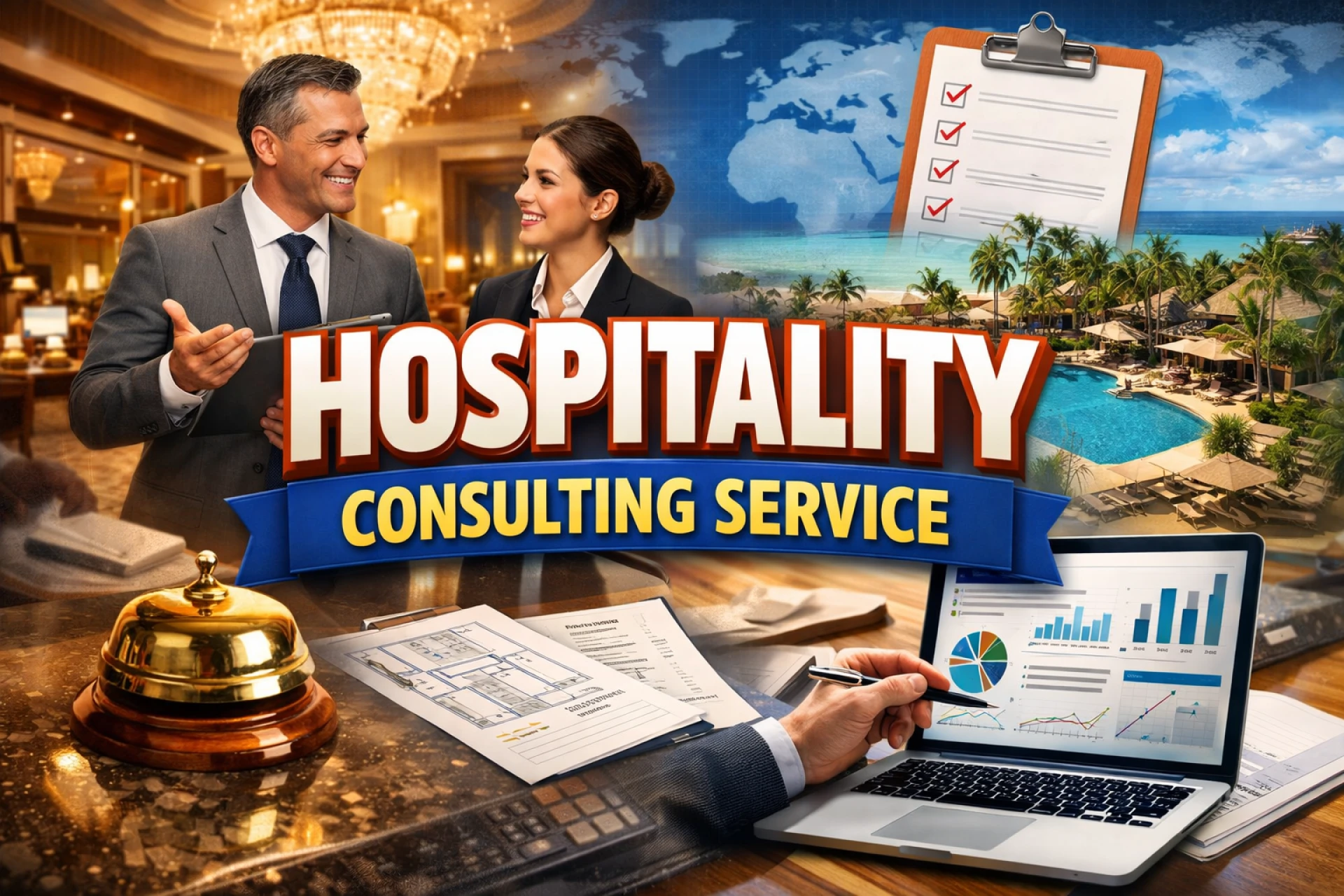
The global hospitality industry has undergone a radical transformation over the last decade. With the rise of digital booking platforms, shifting guest expectations, and fluctuating economic conditions, hotel owners are facing unprecedented pressure to maintain profitability while delivering exceptional service. This is where professional hospitality consulting becomes an essential asset. By bringing in outside expertise, hotel owners can identify blind spots in their operations that often go unnoticed during the daily hustle of running a property.
Consultants act as strategic partners, analyzing everything from supply chain logistics to staff productivity. The primary goal is to create a seamless synergy between back-of-house efficiency and front-of-house guest satisfaction. When a hotel operates like a well-oiled machine, the benefits are reflected not just in the bottom line, but in the online reviews and repeat business that define long-term success.
Streamlining Operational Processes for Maximum Output
Efficiency in a hotel is often won or lost in the details of daily workflows. Hospitality consulting focuses heavily on process optimization, which involves re-evaluating how tasks are performed across various departments. For instance, housekeeping is one of the most labor-intensive aspects of hotel management. A consultant might implement updated software systems that track room status in real-time, reducing the "dead time" between a guest checking out and a new guest checking in.
Beyond housekeeping, food and beverage (F&B) operations often harbor significant waste. By conducting thorough menu engineering and inventory audits, consultants help hotels reduce food costs and improve kitchen output. Integrating these streamlined methods is a specialty of Nile Hospitality, where the focus remains on lean operations without compromising the luxury experience guests expect.
Leveraging Technology and Data Analytics
In 2026, data is the most valuable currency in the hospitality sector. Many independent hotels struggle because they possess vast amounts of guest data but lack the tools to interpret it. Modern consulting services introduce advanced Property Management Systems (PMS) and Customer Relationship Management (CRM) tools that allow for personalized marketing and dynamic pricing.
Predictive analytics can forecast occupancy trends, enabling managers to adjust staffing levels accordingly. This prevents overstaffing during slow periods and understaffing during peak holidays. By adopting the best hospitality consulting services, owners can transition from reactive management to a proactive strategy that anticipates market shifts before they happen.
Enhancing Guest Experience Through Staff Training
While technology is vital, hospitality remains a fundamentally human business. Operational efficiency isn't just about faster check-ins; it’s about ensuring that every staff interaction adds value to the guest's stay. Consultants often conduct comprehensive "service audits" to identify gaps in employee performance.
Training programs designed by experts focus on multi-skilling staff, which allows for a more flexible workforce. When an employee is trained to handle both front-desk duties and basic concierge requests, the hotel can operate efficiently even during sudden rushes. Nile Hospitality emphasizes this holistic approach, ensuring that staff members are not just employees, but brand ambassadors who understand the nuances of high-end service delivery.
Financial Management and Cost Control
At its core, hospitality consulting is about protecting the owner’s investment. Consultants perform deep dives into Profit and Loss (P&L) statements to identify "leaks" in revenue. This might include renegotiating vendor contracts, auditing utility consumption, or identifying untapped revenue streams like underutilized meeting spaces or spa services.
A professional hotel management company in india understands the specific challenges of the local market, from navigating regulatory requirements to managing seasonal labor fluctuations. By centralizing procurement and implementing rigorous financial controls, consultants can significantly improve the Gross Operating Profit (GOP) of a property within the first year of engagement.
Sustainability as an Efficiency Driver
Modern efficiency is increasingly tied to sustainability. Energy-efficient lighting, smart HVAC systems, and waste reduction programs are no longer just "green" initiatives; they are essential cost-saving measures. Hospitality consultants help hotels transition to sustainable practices that lower utility bills and appeal to the growing demographic of eco-conscious travelers.
Implementing a circular economy model within a hotel—where waste is minimized and resources are repurposed—requires expert guidance. Consultants provide the roadmap for these transitions, ensuring that the initial investment in sustainable technology pays for itself through long-term operational savings.
The Importance of Brand Positioning and Revenue Management
Efficiency also extends to how a hotel sells its rooms. A hotel can be operationally perfect, but if its rooms are priced incorrectly or its brand is poorly positioned, it will fail. Consultants work on revenue management strategies that balance Average Daily Rate (ADR) with Occupancy to maximize Revenue Per Available Room (RevPAR).
This involves a sophisticated mix of direct booking incentives and strategic partnerships with Online Travel Agencies (OTAs). Nile Hospitality works closely with property owners to ensure their brand voice is consistent across all digital touchpoints, ensuring that the efficiency found within the hotel's walls is matched by an efficient and high-converting sales funnel.
Conclusion: Future-Proofing Your Hospitality Asset
The landscape of hotel operations is constantly shifting, but the fundamentals of efficiency remain constant: smart technology, empowered staff, and rigorous financial oversight. Engaging with a hospitality consultant allows owners to step back from the "we’ve always done it this way" mentality and embrace innovative solutions that drive growth.
As the industry continues to evolve, the gap between tech-forward, efficient hotels and traditional, stagnant properties will only widen. By investing in professional guidance and a robust management framework, hotel owners can ensure their properties are not only surviving but thriving in a competitive global market.