
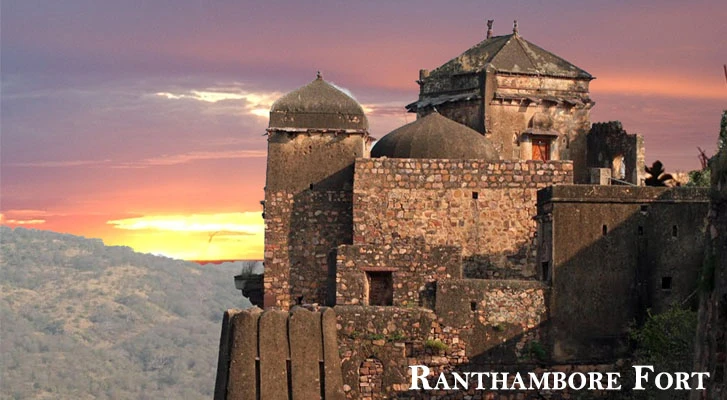
Exploring the rugged landscapes of Rajasthan often leads travelers to the doorstep of royal legends and untamed wilderness. For those seeking a blend of luxury and heritage, staying at a premier resort in Ranthambore provides the perfect vantage point to uncover the historical treasures of Sawai Madhopur. This region is not merely a wildlife destination; it is a living museum where the echoes of the Chauhan dynasty and the Mughal Empire still resonate through massive stone walls and intricate cenotaphs. Understanding the history of the local forts allows visitors to appreciate the cultural backbone that supports this world-famous tiger territory.
The Architectural Marvel of Ranthambore Fort
Standing atop a high plateau, the Ranthambore Fort is the undisputed crown jewel of the region’s heritage. Recognized as a UNESCO World Heritage Site under the "Hill Forts of Rajasthan" category, it represents a formidable example of defensive architecture. Built in the 10th century by the Nagil Jats and later expanded by the Chauhan Royal family, the fort has survived numerous sieges by the Delhi Sultanate and the Mughals. Its strategic location, surrounded by deep ravines and dense forests, made it nearly impregnable. Today, walking through its massive gates—like the Hathi Pol and Ganesh Pol—offers a palpable sense of the past. Within its walls lie ancient temples, including the famous Trinetra Ganesha Temple, which remains a focal point for pilgrims and history buffs alike.
Khandar Fort: The Silent Sentinel
While Ranthambore takes the spotlight, the nearby Khandar Fort offers a more secluded and raw historical experience. Located about 40 kilometers from the main town, this "Taragarh" (Star Fort) sits on a vertical hill, providing a natural defense mechanism that once made it a crucial military outpost. The fort contains several dilapidated palaces and seven temples that showcase the intricate stone carvings typical of the Mewar architectural style. Because it is less frequented by the typical tourist crowds, Khandar Fort provides an atmosphere of quiet contemplation, allowing you to truly feel the weight of centuries-old stories. Its proximity to the Banas River and the surrounding Gadi Sagar Dam makes the journey to this fort one of the most rewarding Things to Do in Sawai Madhopur for those who prefer off-the-beaten-path exploration.
The Symbiosis of Nature and History
One of the most unique aspects of Sawai Madhopur’s heritage is how closely it is intertwined with the natural world. The forts are not isolated monuments; they are part of a sprawling ecosystem. From the ramparts of Ranthambore Fort, one can often spot sambar deer grazing in the ruins or even a leopard prowling near the ancient stone structures. This fusion of man-made brilliance and wild beauty is best experienced during a Ranthambore Jungle Safari, where the tracks often lead past "Chattris" (cenotaphs) and guard posts that have been reclaimed by the forest. These ruins serve as a reminder that while empires rise and fall, the spirit of the land remains eternal. For photographers and naturalists, the sight of a tiger walking past a medieval stone gate is the ultimate personification of Rajasthan’s identity.
Local Folklore and Royal Legacies
The history of these forts is enriched by the legends of Rao Hammir Dev Chauhan, the most celebrated ruler of Ranthambore. His principles of "Hammir Hath"—unwavering determination and hospitality—are still sung in local folk songs. The forts were not just military bunkers; they were centers of art, culture, and governance. The Badal Mahal (Palace of Clouds) and the Jogi Mahal (which now serves as a rest house) inside the Ranthambore complex highlight the lifestyle of the royals who once spent their summers here. Even the water management systems within these forts, featuring step-wells and large tanks, demonstrate the advanced engineering capabilities of ancient Indian architects who managed to sustain large populations in the arid Rajasthan climate.
Planning Your Heritage Tour
To truly soak in the essence of Sawai Madhopur’s heritage, it is recommended to dedicate at least a full day to fort exploration. Morning visits are ideal to avoid the midday heat and to catch the soft golden light reflecting off the red sandstone. Engaging a local guide who can narrate the specific battles and betrayals associated with each gate adds a layer of depth to the visual experience. Beyond the physical structures, the heritage of the region is also preserved in the local crafts and culinary traditions of the nearby villages. After a day of trekking through uphill fort paths, retreating to a space that respects these traditions while providing modern comfort is essential for a holistic Rajasthani experience.
Preserving the Past for the Future
Conservation efforts by the Archaeological Survey of India (ASI) and local heritage societies are ongoing to ensure these structures survive for future generations. The delicate balance between allowing tourism and protecting the structural integrity of these thousand-year-old walls is a constant challenge. Visitors are encouraged to practice responsible tourism—staying on designated paths, avoiding littering, and respecting the sanctity of the temples found within the fort grounds. By valuing these historical landmarks, we help maintain the cultural identity of Sawai Madhopur, ensuring it remains more than just a wildlife park, but a testament to human resilience and artistic vision.