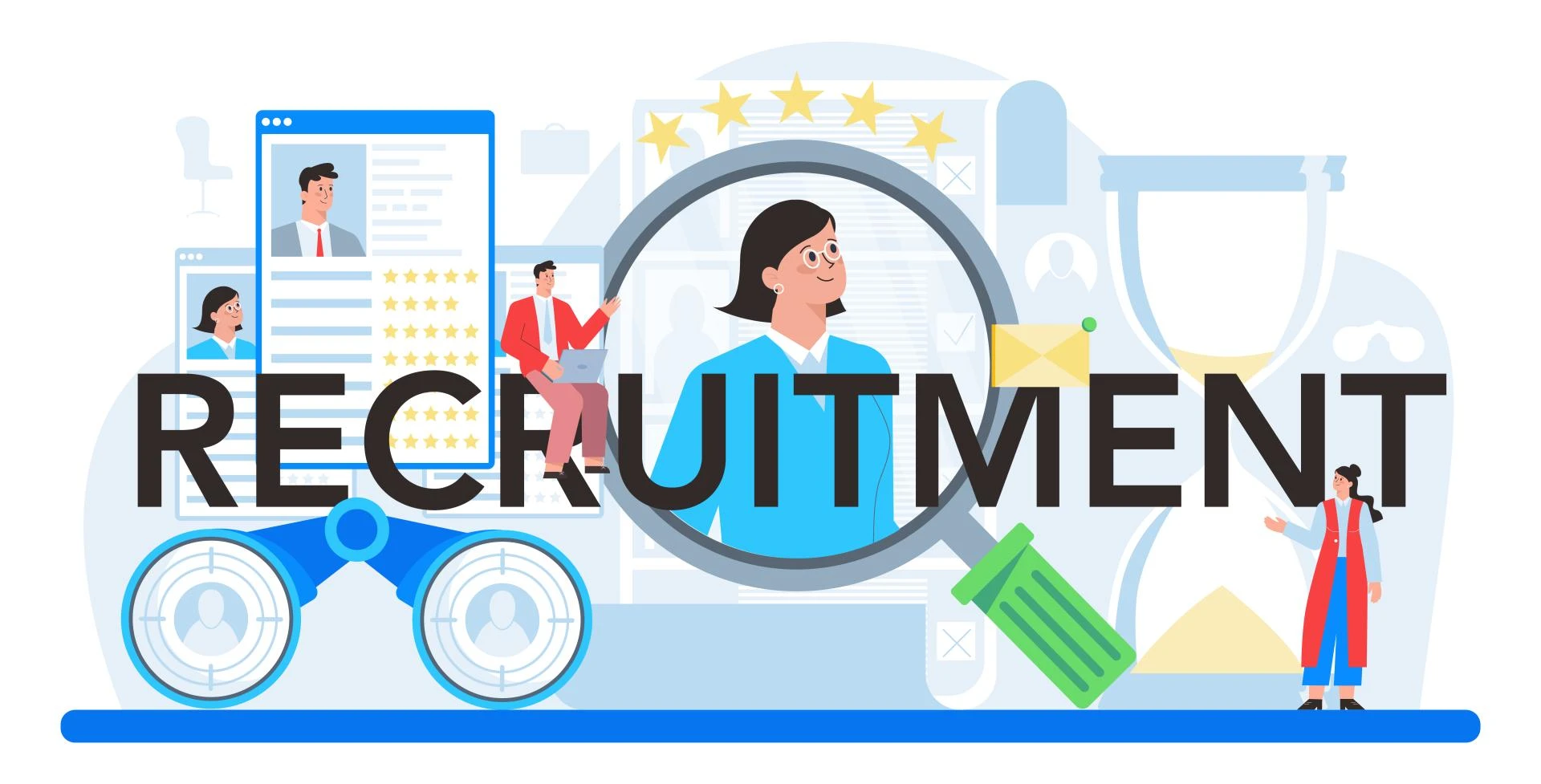
For years, hiring has followed a predictable pattern: resumes, interviews, and instinct-driven decisions. It worked when roles were stable and expectations were clear. But today, that model is struggling to keep up.
Jobs evolve faster than job descriptions. Candidates learn skills outside traditional paths. And yet, many hiring decisions are still based on what someone says they can do, not what they can actually deliver.
This growing gap between expectation and reality is exactly why companies are rethinking how they evaluate talent—and why a Talent Assessment Tool is becoming central to modern hiring.
When “Good on Paper” Stops Being Good Enough
A well-written resume can open doors, but it doesn’t guarantee performance. Interviews, while useful, often reflect communication skills more than actual job capability.
This creates a familiar problem for HR teams—candidates who seem perfect during hiring but struggle once they step into the role.
The issue isn’t a lack of talent. It’s a lack of visibility into real skills.
That’s where the shift toward skills based hiring starts making sense. Instead of relying on surface-level indicators, companies are beginning to prioritize demonstrated ability over stated experience.
From Guesswork to Evidence: A Necessary Shift
At its core, hiring should be about reducing uncertainty. But traditional methods often do the opposite—they leave too much room for interpretation.
A Talent Assessment Tool changes that by introducing structure into the process.
It allows recruiters to:
- Observe how candidates think and solve problems
- Measure performance against defined criteria
- Compare applicants on a level playing field
This isn’t about replacing human judgment. It’s about supporting it with evidence.
The Hidden Cost of Getting It Wrong
A wrong hire doesn’t just affect one role—it creates a ripple effect.
Teams lose momentum. Managers spend extra time on supervision. Projects slow down. And in many cases, the hiring process starts all over again.
For companies scaling quickly, these mistakes become even more expensive.
By integrating a Talent Assessment Tool into the hiring workflow, organizations reduce these risks significantly. Decisions become more informed, and outcomes become more predictable.
Why Skills-Based Hiring Needs the Right System
The idea of skills based hiring sounds simple—but executing it effectively is where most companies struggle.
Without a structured system:
- Skill evaluation becomes inconsistent
- Different interviewers assess differently
- Bias quietly influences decisions
A Talent Assessment Tool brings consistency to this approach. It ensures that every candidate is evaluated against the same standards, making the process not only fairer but also more reliable.
Making Hiring Feel Less Like a Process and More Like a Decision
One of the biggest frustrations in recruitment is how mechanical it can feel—endless resumes, repetitive interviews, and unclear outcomes.
Assessment-driven hiring changes that dynamic.
Instead of moving candidates through steps, it focuses on understanding them. Recruiters gain clarity earlier in the process, which leads to faster and more confident decisions.
It’s not about adding complexity—it’s about removing ambiguity.
What This Means for HR Teams
For HR professionals, the role is evolving from operational hiring to strategic talent building.
Using a Talent Assessment Tool helps shift that focus by:
- Reducing manual screening effort
- Improving quality of shortlisted candidates
- Allowing more time for meaningful interactions
It transforms hiring from a reactive task into a proactive strategy.
A Better Experience—For Both Sides of the Table
Candidates today expect more than just an opportunity—they expect fairness.
When hiring is based on actual skill demonstration:
- Candidates feel more confident in the process
- They understand what’s expected of them
- They trust the outcome, even if they’re not selected
This kind of transparency strengthens employer branding in ways traditional hiring cannot.
The Future of Hiring Is Already Taking Shape
The shift isn’t coming—it’s already happening.
Companies that once relied heavily on resumes are now building systems around skill validation. They’re investing in tools that give them deeper insights and better control over hiring outcomes.
A Talent Assessment onboarding software is no longer a “nice-to-have.” It’s becoming a core part of how modern organizations compete for talent.
Closing the Gap Between Potential and Performance
At the end of the day, hiring is about one thing—finding people who can contribute meaningfully.
By aligning hiring practices with real-world skills, companies move closer to that goal. Skills based hiring, supported by the right tools, helps bridge the gap between potential and performance.
And when that gap closes, hiring becomes what it was always meant to be—not a risk, but a well-informed decision.