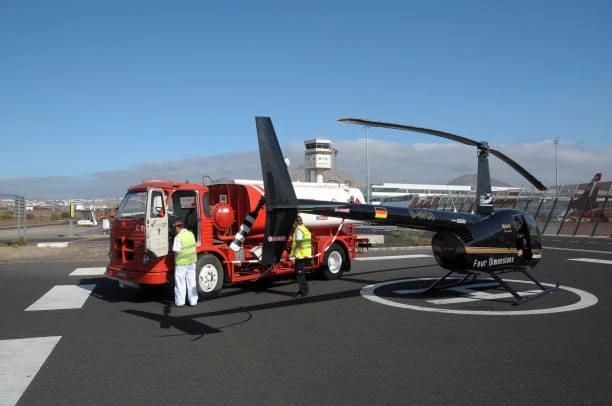
Aviation fueling is a vital operational process that ensures aircraft are ready for missions, passenger transport, training, or cargo movement. The demands placed on fueling teams continue to grow as aviation networks expand and mission timelines tighten. From military flight lines requiring immediate readiness to commercial airfields managing constant aircraft turnover, fueling systems must support speed, accuracy, and safety simultaneously. Modern aviation fueling addresses these needs with advanced equipment that enhances operational reliability and reduces downtime across the entire airfield.
Adapting Fueling Operations to Complex Aviation Environments
Different operational environments create unique fueling challenges. Military bases may require fueling solutions capable of functioning in rugged or rapidly changing conditions, while commercial airports focus on consistent high-volume performance. These environments demand fueling systems that offer adaptable operations, contamination prevention, and dependable service. Crews must monitor fuel quality, maintain equipment standards, and handle transfer operations with precision. Aviation fueling solutions must provide dependable performance through heavy use, complex schedules, and environmental changes.
Fuel Carts Increasing Mobility and Efficiency
Fuel carts are central to modern fueling operations because they provide the agility and speed necessary for fast-paced airfields. Their mobility enables fueling teams to navigate large or crowded areas and fuel aircraft positioned at varying distances from central fueling points. Designed for durability, these carts deliver stable performance and efficient fuel flow even under demanding conditions. High-quality control systems reduce errors, while strong structural components support continuous daily use. Fuel carts are essential in both commercial and military operations for maintaining tight schedules, reducing bottlenecks, and supporting immediate fueling needs.
Drain Systems Ensuring Clean, Safe Fuel
Drain systems maintain fuel purity, which is essential for safe flight operations. Contaminants such as water, sediment, or degraded fuel can compromise engine performance, reduce fuel efficiency, and create safety risks. Drain systems eliminate these threats by allowing maintenance teams to remove impurities quickly and effectively. These systems support routine maintenance by ensuring that aircraft always receive clean, compliant fuel. In mission-critical environments, where delays can impact deployment or operational readiness, drain systems provide a vital layer of protection.
Compliance Requirements Guiding Fueling Processes
Aviation fueling is governed by strict regulatory standards covering everything from equipment materials to operational procedures. Fueling systems must follow industry guidelines to ensure safe, reliable, and environmentally responsible operations. Equipment engineered around these standards helps fueling teams maintain accuracy, proper documentation, and consistent performance. Built-in compliance features minimize risk and support efficient handling during inspections or audits. These requirements ensure that aircraft receive fuel that meets quality standards and operational expectations every time.
Increasing Efficiency Across Airfields
Efficiency is essential for airfields operating on tight schedules. Fueling delays can disrupt flight operations, mission timelines, and commercial scheduling. Aviation fueling systems designed for high performance help reduce ground time and increase overall productivity. Fuel carts provide swift fuel delivery, while drain systems prevent issues that lead to delays or unplanned maintenance. Together, these technologies keep aircraft ready for immediate use. Improved efficiency enhances fleet availability, supports mission planning, and benefits commercial airlines by keeping flights on time and reducing operational costs.
Fueling Solutions Built for Global Readiness
Aviation fueling systems must perform consistently across the globe, whether supporting military operations in remote regions or commercial flights in major hubs. Equipment must withstand different climates, workloads, and operational conditions. Fuel carts and drain systems serve as reliable tools for maintaining readiness under all circumstances. Their performance helps ensure that aircraft remain operational, fully fueled, and mission-ready. This global adaptability makes them essential components of modern aviation infrastructure.
Conclusion
Aviation fueling remains one of the most important aspects of maintaining safe and efficient flight operations. With advanced fuel carts and drain systems, airfields can support faster fueling, preserve fuel quality, and reduce downtime. These systems meet the needs of both commercial and military operations by offering durability, precision, and compliance. As aviation continues to expand, reliable fueling solutions will remain crucial to supporting global aircraft readiness and operational success.