These animals can quietly settle into attics, roof gaps, and wall voids, living undetected for long periods. While bats are an important part of the ecosystem, sharing a living space with them can lead to health risks and property damage. Knowing the hidden signs of bat activity can help you act early and avoid long-term consequences.
Strange Noises After Dark
One of the most common early signs of bats is unusual noise at night. Light scratching, rustling, fluttering, or faint squeaking sounds often come from ceilings or upper walls. Because bats are nocturnal, these noises usually begin after sunset and stop by morning. Many homeowners first start researching bat removal Orlando solutions after weeks of unexplained nighttime sounds that disrupt sleep.
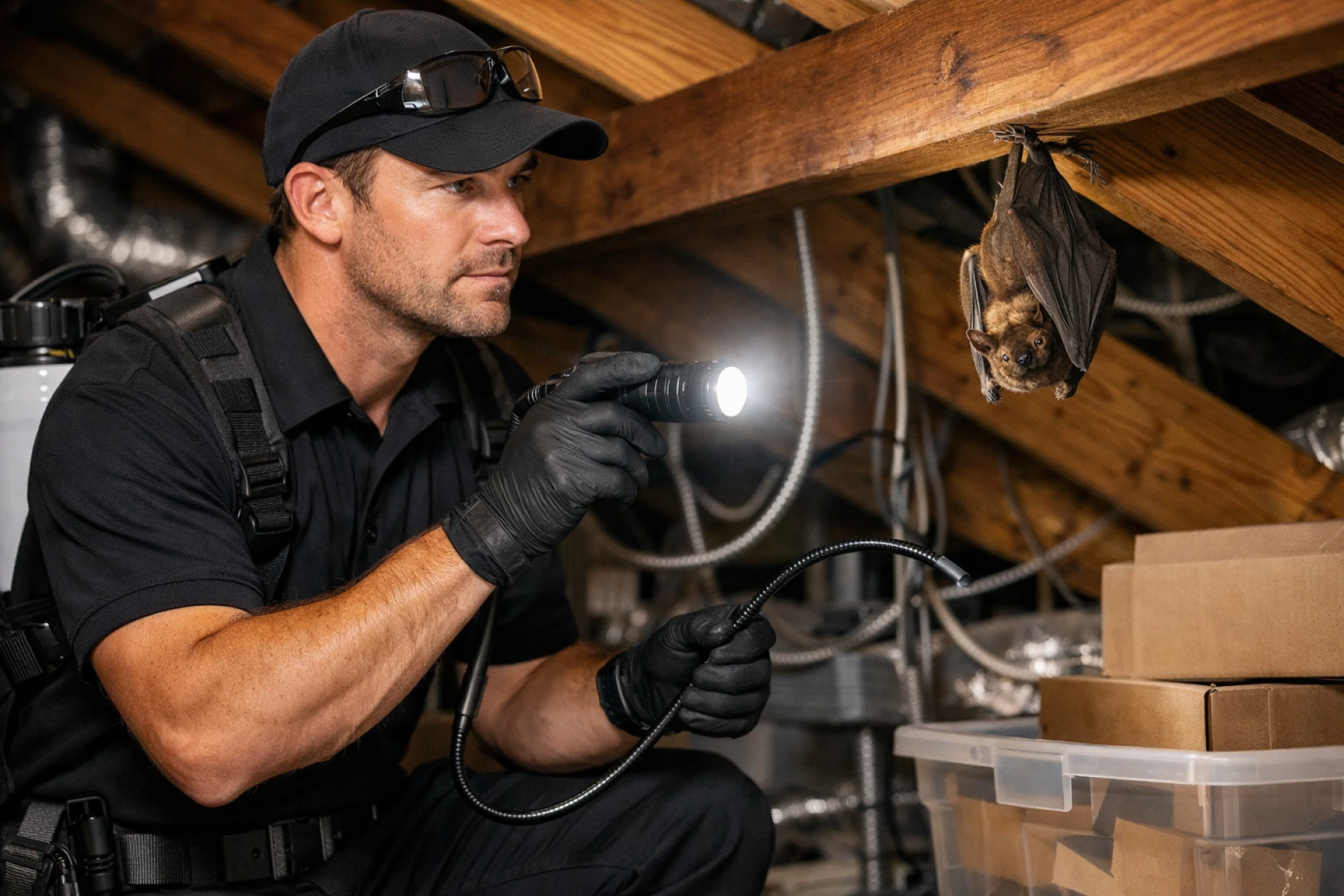
Attics are especially attractive to bats because they are warm, quiet, and rarely disturbed. When noises seem concentrated above living spaces, it often points toward the need for bat removal from attic areas before the colony grows larger.
Persistent Odors That Don’t Disappear
Another overlooked sign is a strong, lingering odor that doesn’t go away with cleaning. Bat droppings, known as guano, accumulate over time and release a pungent ammonia-like smell. This odor can spread through insulation and air ducts, affecting the entire home.
As guano builds up, it can also attract insects and contribute to mold growth. In many cases, homeowners dealing with these odors later discover that professional pest control Orlando intervention is required due to secondary infestations caused by bat waste.
Droppings Near the Home
Bat droppings are often found near attic access points, vents, rooflines, or along exterior walls. They are small, dark, and crumbly, and may resemble mouse droppings at first glance. However, guano usually breaks apart easily and may contain shiny insect fragments.
Finding droppings indoors or around entry points is a strong indicator that bats are roosting nearby. This discovery often pushes homeowners to look into bat removal Orlando options before the contamination spreads further.
Grease Marks and Entry Gaps
Bats typically enter and exit through the same small openings every day. Over time, the oils from their fur leave dark stains or grease marks around these entry points. These marks can appear near roof seams, vents, soffits, or chimney edges and are easy to miss unless you know what to look for.
Specialists trained in wildlife removal Orlando frequently identify these subtle signs during inspections. Left unsealed, these gaps allow bats to return season after season, increasing the size of the colony.
Bat Sightings Around the Home
Seeing bats flying around your home at dusk or just before dawn is another warning sign. While an occasional bat passing through the area isn’t unusual, repeated sightings near the same section of the roof suggest a roosting site.
When bats are consistently seen entering or exiting a structure, it often confirms the presence of a colony. In these cases, bat removal from attic spaces becomes a necessary step to stop further infestation and prevent damage.
Health Risks Associated With Bats
Bats can pose health concerns when they live inside residential spaces. Guano can harbor fungal spores that may cause respiratory issues if inhaled. Additionally, bats are one of the primary carriers of rabies, and even a small bite or scratch can pose a serious risk.
Because of these concerns, bat situations are often handled differently than common household pests. Homeowners sometimes seek pest control Orlando assistance only to learn that bat activity requires specialized, humane removal methods rather than standard treatments.
Damage That Builds Over Time

While bats don’t chew wires or wood like rodents, their presence can still cause significant damage. Heavy guano accumulation can compress insulation, reduce energy efficiency, and stain ceilings. Moisture from waste buildup can also weaken structural materials and encourage mold growth.
Homes affected for long periods often require extensive attic cleanup after bat removal from attic work is completed. Addressing the problem early helps minimize repair costs and long-term deterioration.
Why Ignoring the Problem Is Risky
Bats are protected in many regions, meaning removal must follow specific legal and seasonal guidelines. Attempting to seal entry points without proper timing can trap bats inside, leading to dead animals, stronger odors, and increased contamination.
This is why many homeowners eventually turn to wildlife removal Orlando professionals who understand bat behavior and exclusion laws. Proper removal focuses on allowing bats to exit safely while preventing them from returning.
Acting Early Makes a Difference
Bat colonies can grow quickly, especially during maternity seasons. The longer bats remain in a home, the more waste accumulates and the harder the cleanup becomes. Homeowners who act at the first signs often avoid major repairs and health concerns.
Understanding the warning signs—noises, odors, droppings, stains, and sightings—allows you to take control of the situation before it escalates. Whether the issue involves attic spaces or hidden roof gaps, early awareness protects both your home and the people living in it.
Final Thoughts
Bats are quiet, persistent, and excellent at hiding, which makes them easy to overlook. However, ignoring the signs of their presence can lead to serious problems over time. By paying attention to subtle changes in your home and responding quickly, you can prevent long-term damage and health risks.
If you suspect bats may be living in your home, understanding these hidden signs is the first and most important step toward a safe and lasting solution.