
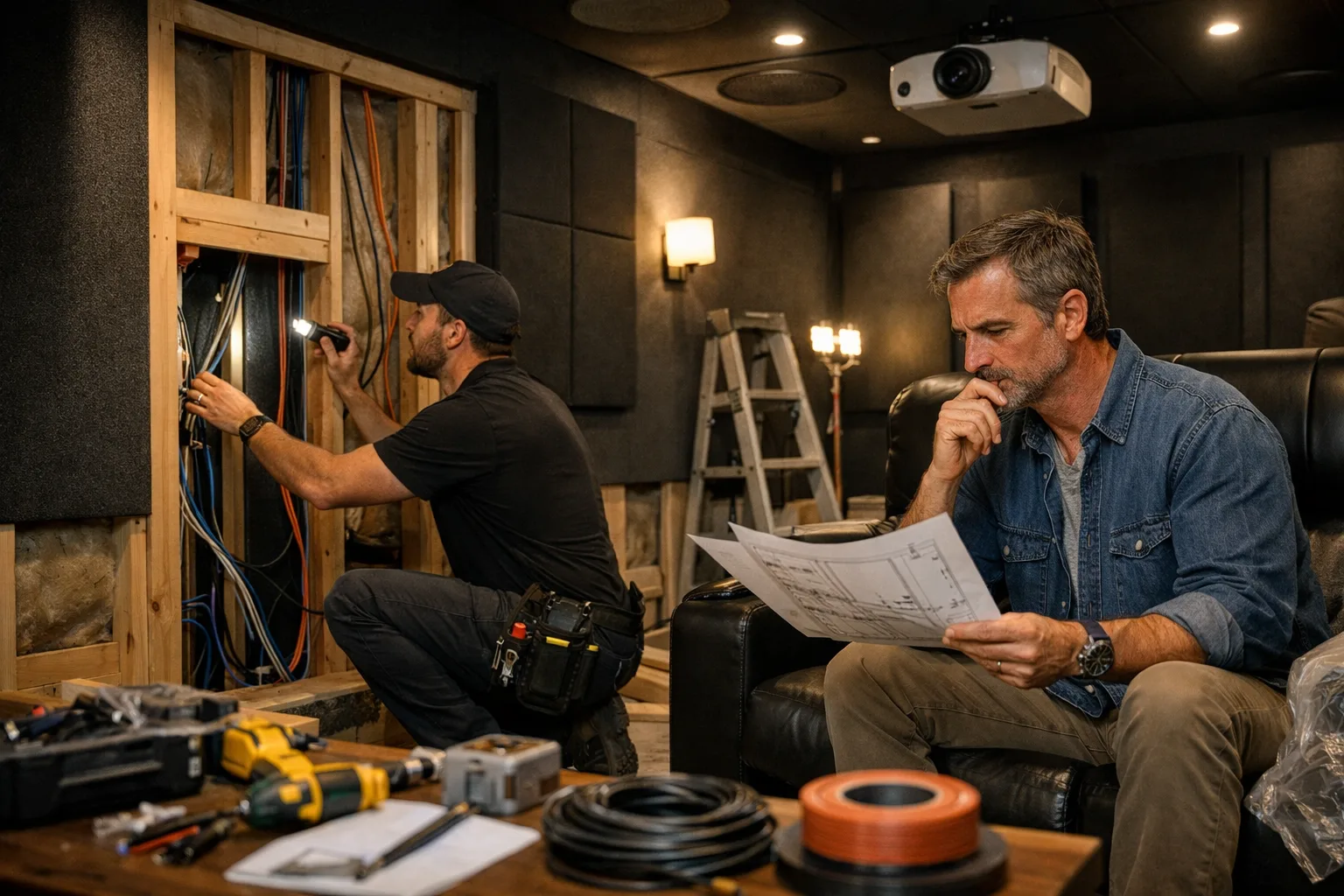
Many homeowners plan a cinema room with a fixed budget, but the final cost can be different from what they expected. Understanding the hidden costs involved in a project can help avoid surprises later. Before starting, it is useful to learn about the expenses that are often overlooked when working with a home cinema installation company. Knowing these details can help people make informed decisions and manage their budget more effectively.
Room Preparation Costs
One of the most common hidden expenses is room preparation. Many rooms need adjustments before cinema equipment can be installed properly. Walls may require sound treatment, ceilings may need modifications, and flooring might need upgrades to improve sound quality.
Some homeowners also discover that furniture placement affects the viewing experience. Rearranging or replacing furniture can add unexpected costs to the project. These improvements are often necessary for better comfort and performance.
Electrical Work and Power Requirements
Home cinema systems usually need a reliable electrical setup. Existing wiring may not always support modern audio and video equipment. Additional power outlets, dedicated circuits, or upgraded electrical panels may be required.
These electrical changes are often overlooked during initial planning. Depending on the condition of the property, the cost of electrical work can become a significant part of the overall project budget.
Cable Management and Concealed Wiring
Many people prefer a clean and organized appearance without visible wires. Concealed wiring often requires additional labor and materials. Installers may need to run cables through walls, ceilings, or flooring.
Older buildings can make this process more difficult because access points may be limited. The extra time and effort required for cable management can increase installation costs beyond initial expectations.
Acoustic Treatment Expenses
A high-quality cinema experience depends on more than just screens and speakers. Room acoustics play an important role in sound clarity. Echoes, sound reflections, and unwanted noise can reduce the overall experience.
Acoustic panels, soundproofing materials, and specialized treatments are often added after installation plans are reviewed. These improvements can make a noticeable difference but may not always be included in the original budget.
Mounting and Structural Modifications
Large televisions, projectors, and speaker systems often require secure mounting. In some cases, walls or ceilings may need reinforcement to support heavy equipment.
Structural modifications can involve additional labor and building materials. If the property has unique construction features, installation work may become more complex, leading to higher costs than expected.
Internet and Network Upgrades
Modern home cinema systems frequently depend on internet connectivity for streaming services and smart features. Weak network coverage can cause interruptions and lower video quality.
Homeowners may need stronger Wi-Fi coverage, additional access points, or upgraded networking equipment. These upgrades are sometimes identified only after testing begins, creating extra expenses that were not originally planned.
Equipment Compatibility Issues
Sometimes existing devices do not work smoothly with new home cinema components. Older receivers, cables, or media devices may need replacement to ensure compatibility.
Compatibility challenges can appear during installation when technicians connect various components. Replacing outdated equipment can add unexpected costs while ensuring the system operates correctly.
Lighting Control Adjustments
Lighting has a direct impact on the cinema experience. Bright rooms can affect screen visibility and reduce viewing comfort. Many homeowners choose to install dimmable lights, blackout curtains, or automated lighting controls.
Although these upgrades improve usability, they are often considered separate expenses and may not be included in the initial project estimate.
Maintenance and Future Repairs
Many people focus only on installation expenses and forget about ongoing maintenance. Speakers, projectors, and other electronic components may require servicing over time.
Projector lamps, software updates, replacement cables, and equipment repairs can contribute to long-term ownership costs. Planning for future maintenance helps prevent financial surprises later.
Future Expansion and Technology Changes
Technology continues to evolve, and home entertainment systems often require updates to stay current. Additional speakers, upgraded displays, or newer streaming devices may be needed in the future.
Considering future expansion during the planning stage can help reduce upgrade costs later. Choosing flexible designs and allowing space for additional equipment can provide long-term value.
Professional Planning and Design Fees
Some projects require detailed planning before installation begins. Professional design services may include room analysis, equipment selection, and layout recommendations.
While these services can improve project outcomes, they may not always be included in standard installation pricing. Understanding these fees beforehand allows for more accurate budgeting.
Careful planning is the best way to avoid unexpected expenses during a cinema room project. By considering room preparation, electrical work, acoustic improvements, networking needs, and future upgrades, homeowners can create a realistic budget. Understanding these hidden costs before hiring a home cinema installation company can help ensure a smoother and more predictable installation process.