
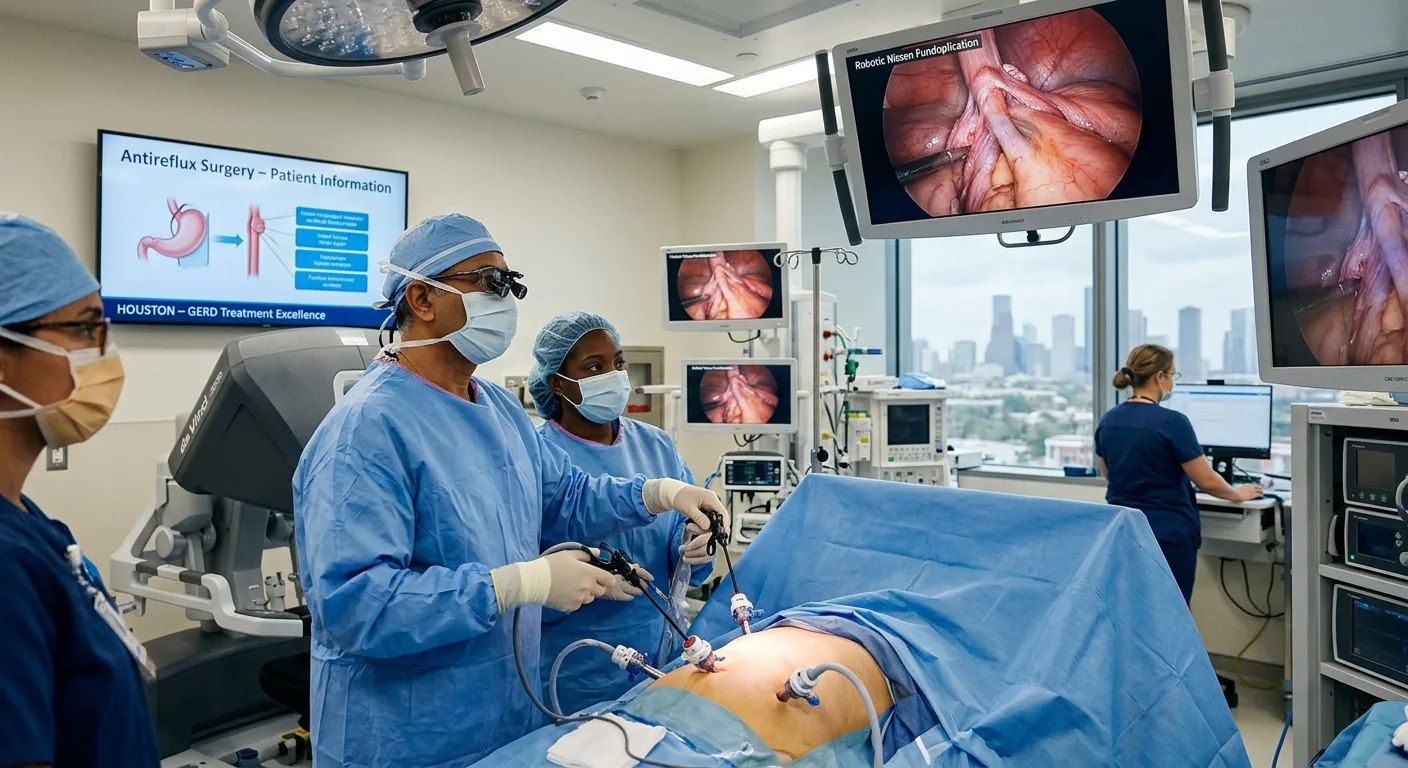
When abdominal pain, a persistent bulge, or recurring digestive problems begin affecting daily life, patients may eventually need a surgical evaluation. Two common conditions that can require surgical treatment are hernias and gallbladder disorders. Modern minimally invasive techniques have provided surgeons with additional options for treating these conditions while potentially reducing the physical impact of surgery.
For patients searching for a Hernia Specialist Houston or researching Gallbladder Surgery Houston, understanding the conditions, available procedures, and recovery process can help them have a more informed conversation with their surgeon.
Understanding Hernias
A hernia occurs when an internal organ or tissue pushes through a weakened area of muscle or connective tissue. Hernias can develop in different areas of the abdominal wall and may cause a noticeable bulge, discomfort, pressure, or pain.
Common types of hernias include:
- Inguinal hernias
- Ventral hernias
- Incisional hernias
- Umbilical hernias
Hiatal hernias
Some hernias may initially cause few symptoms, while others can become increasingly uncomfortable during activities such as lifting, coughing, or exercising. A physical examination can help a surgeon determine the type and severity of the hernia.
When Should a Hernia Be Evaluated?
A hernia should be evaluated when a patient notices a new or growing bulge, persistent abdominal or groin discomfort, or symptoms that interfere with normal activities.
Treatment depends on factors such as the location and size of the hernia, symptoms, overall health, and risk of complications. Some patients may be monitored, while others may benefit from surgical repair.
Patients looking for a Hernia Specialist Houston can learn more about robotic-assisted hernia treatment through Dr. Brian Harkins' hernia surgery service.
Robotic Hernia Surgery
Robotic-assisted hernia surgery is a minimally invasive approach that uses specialized surgical instruments controlled directly by the surgeon. The robotic platform can provide enhanced visualization and precise instrument movement during the procedure.
Depending on the patient's condition, robotic surgery may involve repairing the weakened area of the abdominal wall and reinforcing it to help prevent recurrence.
Potential advantages associated with minimally invasive surgery may include smaller incisions, less tissue disruption, and potentially reduced postoperative discomfort. However, the appropriate technique varies from patient to patient.
Gallbladder Conditions and Surgery
The gallbladder stores bile produced by the liver and releases it into the digestive system. Gallstones are one of the most common problems affecting the gallbladder. While some people with gallstones have no symptoms, others can develop significant abdominal pain or inflammation.
Symptoms associated with gallbladder problems can include:
- Pain in the upper right or upper middle abdomen
- Nausea or vomiting
- Pain after eating
- Indigestion
- Bloating
- Episodes of recurring abdominal discomfort
When gallstones or other gallbladder conditions cause persistent symptoms or complications, surgery may be recommended.
What Is Gallbladder Surgery?
Gallbladder surgery, commonly called a cholecystectomy, involves removing the gallbladder. Because the liver continues to produce bile after the gallbladder is removed, most people can digest food normally without it.
The surgical approach depends on the patient's condition and medical history. Minimally invasive techniques are commonly used, and robotic assistance may be an option for appropriately selected patients.
Patients researching Gallbladder Surgery Houston can explore Dr. Brian Harkins' robotic gallbladder surgery service for additional information.
Benefits of Minimally Invasive Surgical Techniques
Robotic-assisted procedures combine minimally invasive access with advanced visualization and instrument control. Depending on the operation, potential benefits can include:
- Smaller incisions
- Reduced tissue trauma
- Enhanced visualization of the surgical area
- Precise control of surgical instruments
- Potentially less postoperative discomfort
- Potentially faster return to normal activities
These potential benefits should be considered alongside the risks of surgery. Recovery and outcomes depend on the specific procedure and individual patient factors.
Choosing a Surgical Specialist
Choosing an appropriate surgeon is an important part of treatment. Patients should consider the surgeon's experience with the specific procedure, available surgical techniques, and whether minimally invasive or robotic surgery is appropriate for their condition.
A consultation provides an opportunity to discuss symptoms, diagnostic findings, treatment alternatives, surgical risks, and expected recovery.
For patients seeking a Hernia Specialist Houston, Dr. Brian Harkins provides robotic-assisted surgical care for appropriate hernia patients. His practice also offers robotic-assisted treatment for gallbladder conditions.
Take the Next Step
Hernias and gallbladder disorders can range from mild conditions requiring observation to problems that may benefit from surgical treatment. Early evaluation can help identify the underlying issue and determine the most appropriate treatment strategy.
If you are researching a Hernia Specialist Houston or considering Gallbladder Surgery Houston, learning about minimally invasive and robotic-assisted options can help you prepare for a discussion with a qualified surgeon.
Dr. Brian Harkins offers robotic-assisted procedures for both hernia and gallbladder conditions. Patients can review the available procedures and discuss their individual treatment options during a surgical consultation.