Hot water supply can become a major challenge in shared buildings. Dozens (and sometimes hundreds) of residents need hot water at the same time, particularly in the morning rush. Many housing societies are turning to more efficient and intelligent solutions to meet this demand, as traditional heating systems can struggle to handle such high demand.
How a Heat Pump Water Heater Works
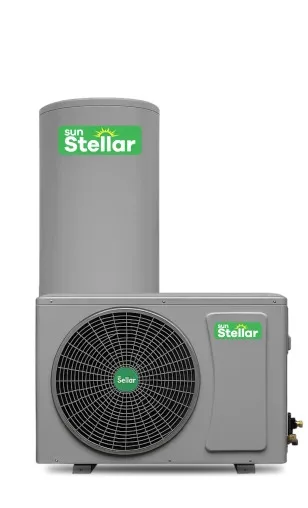
A heat pump water heater extracts heat from the outside air rather than using electric coils or gas flames to heat the water. This process requires much less energy than traditional heating processes because there is less energy expended in transferring existing heat than in generating new heat. This efficiency means significant reductions in shared utility usage throughout the entire building when serving many residents.
Challenges With Traditional Systems
Single households find no problem with older electric or gas geysers, but for an apartment complex, they put a strain on the heating system. Peak usage times cause a bottleneck, and some units have lukewarm water while others have no hot water at all. Older systems also lose energy during water heating, and energy bills can rise steeply. These ongoing issues inspire housing societies to reimagine their entire hot water system.
Benefits for Shared Buildings
Residential heat pumps are an effective solution that can be used in housing societies to cater to the hot water requirements of the society, while not constantly increasing the electrical demand. These systems use less electricity to provide the same amount of hot water, which means more units can be installed in a building without putting excessive strain on the existing infrastructure. Fewer power grid strain problems also mean fewer problems associated with heating elements failing under constant use.
Choosing the Right Heat Pump System for Apartments
Choosing the right system for individual apartments is somewhat different from installing a system throughout a complex. A domestic heat pump water heater is appropriate for smaller households that require a constant supply of hot water without the larger capacity of commercial heat pump water heaters. The best one for you depends on capacity, tank size, and installation space. Smaller units are ideal for single occupancy, whereas larger units are best suited for larger families with high consumption of hot water daily.
Planning Systems for Large Complexes
Efficiently scalable solutions need to be adopted to cater to many buildings in housing societies. A number of heat pump water heaters installed in various blocks, rather than a single large system, often minimises pressure-related problems and maintains easier maintenance schedules. This distributed system also has the advantage of allowing the failure of any one unit to impact only the residents living in that block, not shut off water heating for the entire building.
Comparing Installation and Energy Costs
Although initial installation costs are slightly more expensive than with a regular electric geyser, the extra expense pays off within a few years due to reduced monthly energy bills. It is an attractive long-term savings option for housing societies that share the utilities, as power consumption impacts all the residents who are contributing to common area costs. Calculation of payback periods assists committees in evaluating their investment in the project and making it more acceptable to the residents.
Environmental Benefits
Reduced energy consumption equates to a smaller carbon footprint for the building as a whole, in addition to cost savings. Heat pump systems can work well for complexes that are seeking to be certified “green” or to achieve sustainability objectives. Reducing electricity consumption also helps alleviate strain on local power lines during peak demand hours, especially as more and more people move to urban areas every year.
Selecting the Right Model for Your Building
Not all models are appropriate for all buildings. Heat Pump Geysers are more suitable for compact utility spaces in older structures where less space for installation is available, and larger complexes with separate mechanical rooms are more suitable for larger centralised units. Talking to an installer who has experience installing equipment in multi-unit buildings can prevent the selection of equipment that is not suitable for your space and number of residents.
Maintaining Shared Systems
With routine maintenance, these systems can function efficiently throughout their useful life. Housing committees should also plan routine checks of the filter, refrigerant levels, and regular servicing to prevent the sudden failure of equipment serving several households. A proper maintenance plan avoids waiting for complaints to arise and keeps little problems from becoming big problems with a whole building’s hot water system.