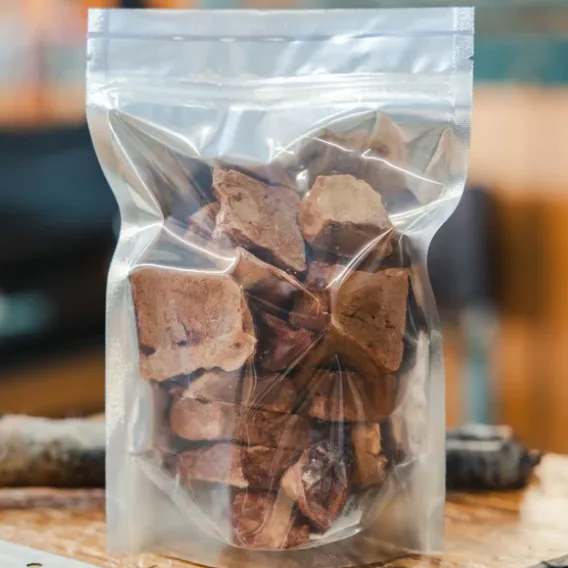
Imagine you are standing in front of an endless array of brightly colored bags of treats in the pet store. Of course, it is natural to feel confused among these highlighted labels promising perfect health to your beloved friend. Being faced with a myriad of choices that are called “natural,” it is not always easy to identify what choices are really nutritious.
Selecting healthy treats requires a clear understanding of ingredients. Avoid unnecessary additives to protect your dog's wellness. This guide provides a straightforward framework for the safe and healthy natural dog treats that you will give to your dog.
Defining "Natural" Beyond the Marketing Hype
The word “natural” is thrown around freely on the shelves of pet stores. The word becomes a meaningless buzzword that lures consumers interested in healthy food for their pets. You must base your decision on the real legal definitions that are put forward by regulatory authorities such as the Association of American Feed Control Officials (AAFCO).
When analyzing natural ingredients pet food guidelines, only then is it legal for the product to claim that it is natural when all of the ingredients used are from plants, animals, or mined sources. A truly natural treat is based on two manufacturing principles:
- No Artificial Enhancers: Natural food products should have no artificial food coloring, which is used just to make the products look appealing. It should also not have any artificial flavors or chemicals such as BHA and BHT.
- Natural Preservatives: Instead of artificial preservatives, the manufacturer should use natural preservatives such as vitamin E and rosemary extract.
Decoding the Label: Spotting Real Nutrition vs. Toxic Fillers
Check the ingredients first. It will tell you much more than the claims printed on the front of the bag. Check if there are whole food ingredients, a stated protein source, and few ingredients. To find the best natural ingredients dog food, remember this checklist while grocery shopping next time.
What to Prioritize:
- Minimalist Ingredient Lists: Look for short, simple panels with fewer ingredients to ensure clean quality.
- Identifiable Whole Proteins: Ensure transparent items like "boneless beef," "wild-caught cod," or "turkey liver" lead the list.
- First-Ingredient Value: The primary item on the panel should always be a named animal protein, signaling a high-value reward.
What to Avoid:
- Anonymous Industrial Scraps: Steer completely clear of sweeping, undefined terms like "meat by-products," "animal digest," or "poultry meal."
- Heavy Binders & Fillers: Some dogs tolerate these ingredients well, while others with food sensitivities may benefit from treats made without them.
- Allergen Triggers: Avoid the low-grade grain or filler alternatives that cause chronic skin allergic reactions in dogs.
- Lethal Compounds: Make sure your dog treats and snacks contain absolutely no traces of xylitol (may be listed as birch sugar) – lethal to dogs even in small amounts.
What Veterinarians Recommend
Many veterinarians recommend choosing treats that:
- Contain recognizable, whole-food ingredients
- Are appropriate for your dog’s size and age
- Make up no more than 10% of daily calorie intake
- Are introduced gradually to monitor digestive tolerance
Physical Transformations: The Benefits of a Clean Diet
Once you remove all artificial additives from your dog's reward system and use uncompromised treats, the physiological effects will speak for themselves.
1. Optimal, Effortless Digestion
Due to the lack of harmful chemical binders and fillers in the treats, they easily go through a dog's digestive system. The owners often observe a decrease in the formation of stomach gas and firmer stools, as well as an obvious increase in the general level of activity in their pet.
2. A Glossy, Healthy Coat
Unprocessed food treats contain many delicate vitamins, which promote the good condition of the dog's exterior. Whole-animal or single-source fish treats contain lots of Omega-3 fatty acids, which restore the shine to the coat and help get rid of skin issues like itching.
3. Healthy Energy
Many commercial treats use added sugars or molasses. These cause sharp spikes in blood sugar, followed by severe exhaustion. Natural protein treats will provide your dog with constant energy.
4. Direct Relief from Chronic Allergies
Some dogs may be sensitive to certain ingredients or additives, although food allergies are more commonly linked to specific proteins. These hidden contaminants are eliminated with simple single-source protein treats, so your dog's immune system can rest and recover.
Choosing the Appropriate Fit for Each Life Cycle Stage
Each dog has individual chewing patterns, jaw power, and nutritional requirements as per stage of life and size. It can't be dealt with in general.
- The puppy stage: Puppies have sensitive baby teeth and a need to grow their jaw and teeth. For such dogs, the most suitable treat is in the form of chewable and digestible but highly rewarding treats. Meat snacks or natural protein chunks that are freeze-dried will work.
- Senior Stage: In senior dogs, there may be issues with their teeth: missing, worn out, very sensitive. For this reason, they will greatly benefit from rewards that are soft, easy to chew, and highly digestible.
- Power chewers: The jaw pressure is so strong that they can chew through thin and cheap rawhides found in stores in just a few seconds, causing choking risk.
Conclusion
The next time you are flooded with different options when purchasing dog chews in the pet store, you will know exactly what to do. With some practice, you will not have to make this differentiation yourself; you will be able to distinguish marketing tricks from nutrient lists right on the flip side of the package!
If you want to give your pet healthy natural dog treats which aren’t mass-produced, then you should probably avoid major brand names and go for something like Ugly Chews instead. With their single-ingredient treats, which are made without bleaching agents, they offer true natural nutrition without the fancy packaging.
FAQs
What material is the best to look for when buying healthy natural dog treats?
The best way to go is 100% unbleached whole hide made of one ingredient only or low-temperature freeze-dried proteins that come from clean, chemical-free manufacturers such as Ugly Chews.
How often can dogs have natural treats?
As for frequency, dogs can have natural treats regularly each day, following the Golden 10% Rule, which states that all treats combined should not exceed 10% of the daily caloric intake. The remaining 90% should consist of a complete and balanced main diet.
Can puppies have natural chews?
Puppies can have natural chews, but you have to choose soft, digestible chews with one ingredient only, such as Chips, Chunks & Scraps, and small versions of Hair-On Hides.
Are freeze-dried treats healthier than baked ones?
Usually, freeze-dried treats are considered healthier, more nutritious, and tastier than the baked ones. They have better nutritional value and contain only pure ingredients without any additives, but they are expensive and more delicate.
Can all natural dog dental chews replace brushing?
No, because all natural dog dental chews only clean flat tooth surfaces and cannot reach deep bacteria hidden along the gumline.