Healthcare infrastructure is one of the most critical components of any nation’s social and economic development. In Saudi Arabia, the government has invested heavily in the health sector, both as part of its duty to safeguard the well-being of citizens and as a strategic pillar of Vision 2030. With rapid urbanization, population growth, and the need to reach remote areas, traditional brick-and-mortar hospitals alone cannot always meet urgent healthcare demands. This is where healthcare container units play a transformative role.
Healthcare container units, also known as mobile medical units, portable clinics, or prefabricated healthcare cabins, provide flexible, cost-effective, and efficient healthcare solutions. These modular medical facilities can be deployed in urban centers, rural areas, construction sites, industrial hubs, or even during emergencies and disasters. In Saudi Arabia, they are increasingly becoming an integral part of healthcare delivery, supporting hospitals and expanding access to medical services.
This article explores the role of healthcare container units in Saudi Arabia, their benefits, applications, challenges, and future potential within the Kingdom’s healthcare ecosystem.
Evolution of Healthcare Needs in Saudi Arabia
Saudi Arabia has witnessed remarkable growth in its healthcare sector over the past few decades. With a rising population and lifestyle-related diseases such as diabetes, hypertension, and cardiovascular conditions becoming more common, the demand for accessible medical services is higher than ever.
The Kingdom also faces unique challenges:
- Vast Geography – Covering large areas of desert, many regions are sparsely populated and difficult to access with conventional healthcare infrastructure.
- Growing Population – Increasing urban populations require rapid expansion of healthcare capacity.
- Economic Diversification – Industrial and oilfield operations across remote regions need on-site healthcare facilities for workers.
- Emergency Preparedness – Natural disasters, pandemics, or mass gatherings such as Hajj and Umrah require flexible medical solutions.
Healthcare container units address these challenges by offering quick-deployment medical facilities that can function as clinics, laboratories, pharmacies, or even small hospitals, depending on their design.
What Are Healthcare Container Units?
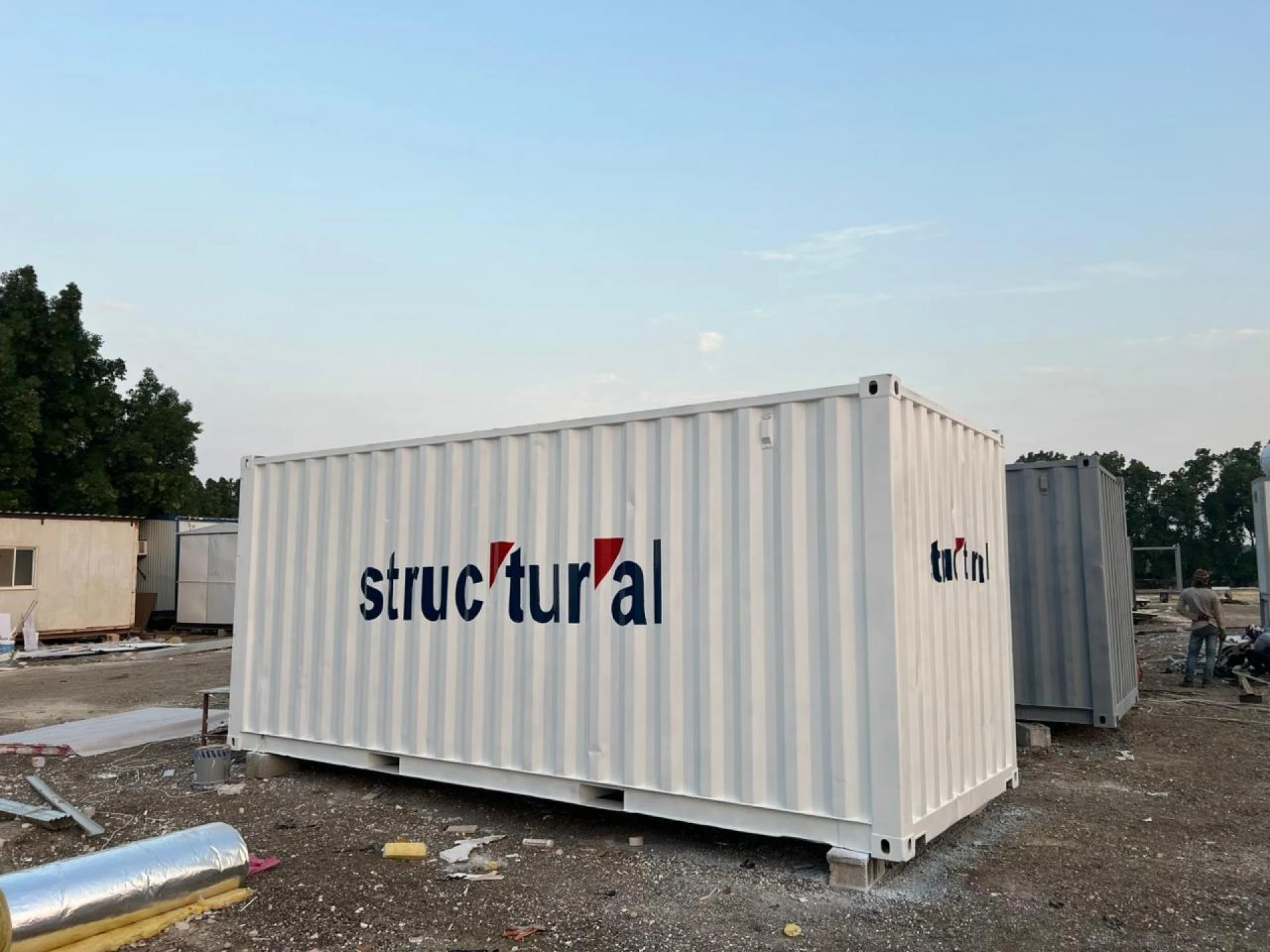
Healthcare container units are portable medical structures built from modified shipping containers or prefabricated modular panels. They are fully equipped with medical devices, sanitation systems, electrical installations, and climate control to ensure safe healthcare delivery.
These units can be designed for multiple purposes:
- Primary Care Units – Basic medical consultation and treatment.
- Emergency Rooms – Immediate response to injuries and urgent cases.
- Diagnostic Laboratories – Equipped with testing equipment for blood work, x-rays, or rapid diagnostics.
- Pharmacies – Storage and dispensing of medicines.
- Vaccination Clinics – Safe administration of vaccines during campaigns.
- Mobile Surgical Units – For small-scale surgeries and medical procedures.
In Saudi Arabia, such units are becoming popular due to their durability, mobility, and adaptability. They can withstand the Kingdom’s extreme climate, from scorching desert heat to occasional sandstorms.
Advantages of Healthcare Container Units in Saudi Arabia
1. Accessibility to Remote Areas
Saudi Arabia’s geography includes vast desert regions, mountainous areas, and isolated communities. Establishing permanent hospitals in every location is impractical. Healthcare container units provide mobile clinics that can be transported to underserved regions, ensuring medical access for all citizens.
2. Rapid Deployment
During emergencies such as the COVID-19 pandemic or natural disasters, Saudi Arabia required quick expansion of healthcare facilities. Container units can be deployed within days, offering ready-to-use medical spaces without the long construction timelines of traditional hospitals.
3. Cost-Effectiveness
Traditional hospitals require massive investments in land, construction, and infrastructure. In contrast, container healthcare units are budget-friendly, making them ideal for temporary or supplementary medical services.
4. Flexibility of Use
Container units can be adapted for different purposes. A single unit can function as a consultation room today and be redesigned as a vaccination center tomorrow. This adaptability supports evolving healthcare demands in Saudi Arabia.
5. Durability in Harsh Climates
Saudi Arabia’s hot climate requires strong, insulated structures with efficient air conditioning. Healthcare container units are engineered with thermal insulation, climate control, and corrosion-resistant materials, ensuring they remain reliable in desert environments.
6. Support for Industrial and Construction Sites
Saudi Arabia’s oilfields, refineries, and mega-construction projects employ thousands of workers in remote areas. On-site medical container units provide healthcare access, reduce downtime, and ensure worker safety.
7. Scalability
Container units can be connected to form larger medical complexes. If healthcare demand increases, new units can be added seamlessly, allowing for modular hospital expansion.
Applications of Healthcare Container Units in Saudi Arabia
1. Emergency Response
Saudi Arabia faces occasional floods, sandstorms, and public health emergencies. Container clinics can be deployed immediately to provide triage, treatment, and preventive care in affected regions.
2. Hajj and Umrah Support
Millions of pilgrims visit Mecca and Medina every year, creating high demand for healthcare services. Container units are used to expand medical capacity during these mass gatherings, ensuring pilgrims receive timely medical attention.
3. Rural Healthcare Outreach
Remote villages often lack permanent hospitals. Container clinics bridge this gap by bringing doctors and nurses directly to rural communities.
4. Industrial Healthcare
Oil and gas facilities, mining projects, and construction sites across Saudi Arabia rely on healthcare container units to ensure occupational health services for employees.
5. Military and Defense
Saudi armed forces deploy healthcare container units in bases and field operations. These units serve as mobile hospitals to provide treatment for soldiers.
6. Public Health Campaigns
Vaccination drives, blood donation campaigns, and screening programs make use of portable healthcare units to reach wider populations.
Integration with Saudi Arabia’s Vision 2030
The Kingdom’s Vision 2030 emphasizes enhancing healthcare quality, increasing accessibility, and adopting modern technologies. Healthcare container units align perfectly with these goals:
- Digital Integration – Units can be equipped with telemedicine systems, enabling remote consultations with specialists in Riyadh or Jeddah.
- Smart Healthcare – Advanced monitoring systems and IoT devices can be installed to track patient health in real-time.
- Sustainability – Units can be powered by solar energy, supporting Saudi Arabia’s renewable energy initiatives.
By incorporating container healthcare solutions, Saudi Arabia is ensuring that healthcare modernization reaches every corner of the country.
Challenges Facing Healthcare Container Units
While healthcare container units bring immense benefits, they also face challenges:
- Initial Setup Costs – Though cheaper than hospitals, high-quality medical containers with full equipment require significant investment.
- Maintenance – Regular servicing is needed to ensure air conditioning, sanitation, and medical equipment remain operational in desert conditions.
- Limited Capacity – A single unit cannot serve as a replacement for a hospital. It must work in coordination with larger healthcare facilities.
- Staffing Requirements – The availability of doctors, nurses, and technicians to operate mobile clinics is essential.
- Logistics – Transporting units to extremely remote or off-road locations can be challenging.
Despite these limitations, Saudi Arabia is increasingly adopting container healthcare as a supplementary model to strengthen its health system.
Future Outlook for Healthcare Container Units in Saudi Arabia
The role of healthcare container units in Saudi Arabia is expected to grow significantly. Some key future trends include:
- Smart Container Clinics – Integration with digital health platforms for remote diagnosis and patient monitoring.
- Green Medical Units – Use of solar panels, water recycling, and sustainable materials.
- Specialized Units – Development of mobile dialysis centers, radiology labs, and advanced surgical units.
- AI Integration – Artificial intelligence for patient triage, diagnostics, and data analysis.
- Expansion in Remote Giga-Projects – As mega-projects like NEOM and The Red Sea Project expand, healthcare containers will provide on-site medical services for thousands of workers and residents.
Saudi Arabia’s commitment to innovation and healthcare accessibility makes container medical units a strategic investment for the future.
Conclusion
Healthcare container units are revolutionizing healthcare delivery in Saudi Arabia. By providing portable, scalable, and cost-effective medical solutions, they extend healthcare access to remote areas, support mass gatherings, and enhance emergency preparedness.
In line with Vision 2030, these modular medical facilities reflect the Kingdom’s dedication to innovation, inclusivity, and resilience in healthcare. While they may not replace permanent hospitals, they serve as a critical extension of Saudi Arabia’s healthcare infrastructure, ensuring that no community is left behind.
From desert villages to industrial hubs, and from Hajj pilgrimages to futuristic cities like NEOM, healthcare container units will continue to play an essential role in safeguarding the health and well-being of Saudi Arabia’s population.