Setting the Scene: A World in Health Transition
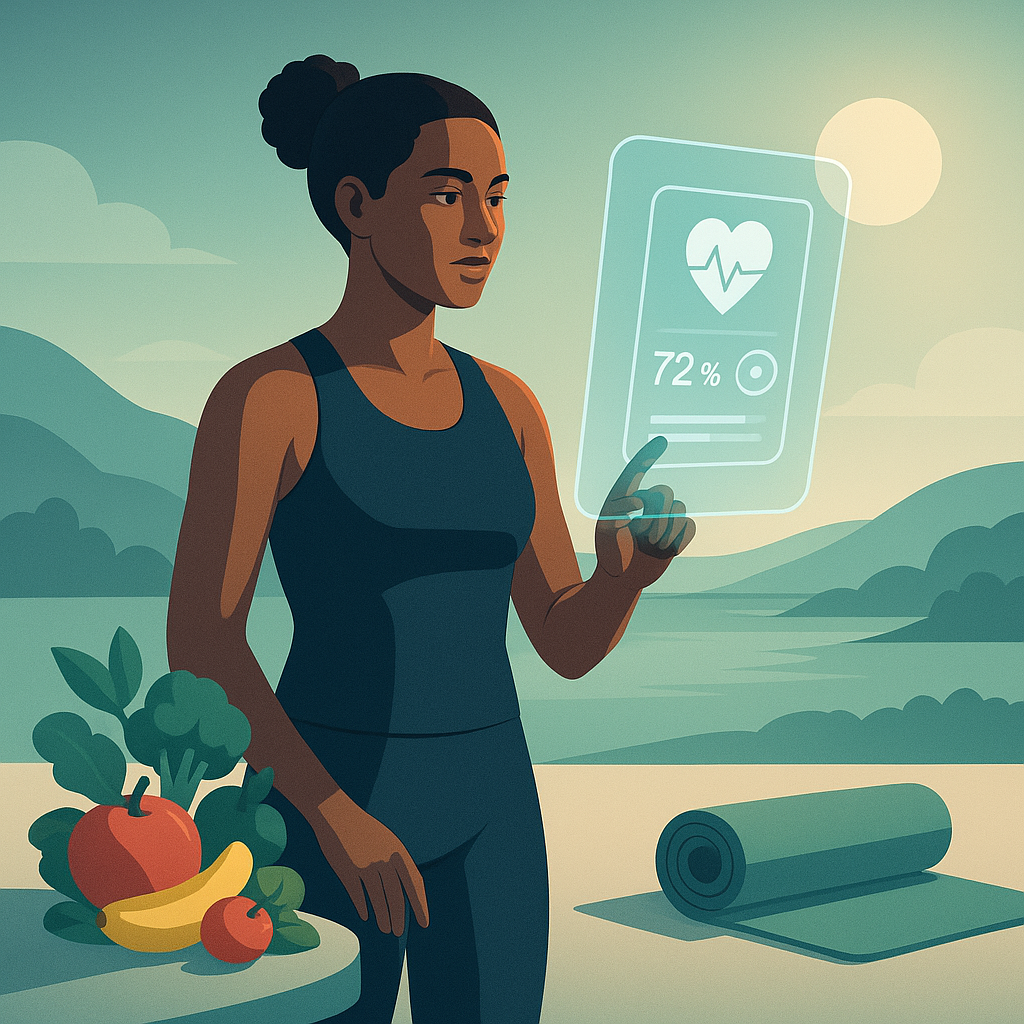
In the brisk morning of a September day in 2026, a 55-year-old urban professional logs into her virtual health coach app before breakfast. The AI-driven platform has already analyzed her sleep patterns, stress biomarkers, and recent blood work overnight, ready with personalized recommendations for her day: a modified exercise routine, meal suggestions tailored to optimize her gut microbiome, and mindfulness practices calibrated to her current emotional state. This scene, increasingly common across many demographics, epitomizes the profound transformation health has undergone in the last decade.
The global health landscape today is shaped by an amalgamation of rapid technological advances, shifting societal values, and emerging scientific insights. Chronic diseases continue to dominate morbidity and mortality worldwide, but the approach to managing and preventing these conditions is shifting from reactive care to proactive wellness. The rise of digital health, personalized medicine, and integrative wellness models signifies a departure from traditional paradigms.
"Health in 2026 is no longer just about treating illness; it's about anticipating and adapting to individual needs in real time," observes Dr. Lena Rodriguez, Chief Medical Officer at VitalSync Health Tech.
From Past to Present: The Evolution of Health Paradigms
Understanding how we arrived at this juncture requires a look back at the trajectory of health and wellness over the past decades. The 20th century prioritized infectious disease control and acute care, with vaccines and antibiotics heralding a dramatic rise in life expectancy. However, the 21st century introduced a complex challenge: chronic, non-communicable diseases (NCDs) such as diabetes, cardiovascular disease, and mental health disorders began to dominate global health burdens.
This shift exposed the limitations of a healthcare system designed for episodic care. The 2010s and early 2020s saw burgeoning interest in lifestyle medicine and preventive strategies. Public health campaigns increasingly targeted smoking cessation, nutrition, and physical activity, but progress was uneven. By the mid-2020s, the integration of digital health tools and the emergence of precision health began to bridge gaps.
The integration of genomics, wearable sensors, and AI analytics has transformed health data from static snapshots into dynamic, actionable insights. According to public health records, personalized interventions have contributed to a measurable decline in some chronic disease incidences in high-income countries, while low- and middle-income countries are adapting these advances amid resource constraints.
Deep Dive: Data, Trends, and Technologies Shaping Health
The core of today's health revolution lies in data-driven, individualized care. The global digital health market surpassed $700 billion in 2025, with a CAGR of 20% over the past five years, reflecting massive investment and adoption. Key technologies include:
- Wearable and implantable biosensors: Devices monitor vital signs, biochemical markers, and environmental exposures continuously, enabling early detection of deviations from baseline health.
- Artificial intelligence and machine learning: Algorithms analyze vast datasets to predict disease risk, optimize treatment plans, and enhance behavioral health interventions.
- Genomic and microbiome profiling: Advances in sequencing technologies allow for tailored nutrition, pharmacogenomics, and immune modulation strategies.
- Telemedicine and virtual care: Widespread adoption has increased accessibility, especially in underserved or remote areas.
For example, a 2026 study published by the Global Health Institute showed that AI-assisted management reduced hospital readmissions for congestive heart failure by 27% compared to standard care. Meanwhile, personalized nutrition plans based on microbiome analysis have improved glycemic control in type 2 diabetes patients by an average of 15% over six months.
"The convergence of technology and biology is unlocking new frontiers in how we understand and influence health," says Dr. Marcus Lee, lead researcher at the Precision Wellness Consortium.
Current Landscape: Health Innovations and Societal Shifts in 2026
The year 2026 marks a milestone where health innovation intersects profoundly with social determinants and wellness culture. Urban centers worldwide are implementing smart health ecosystems integrating IoT devices, AI diagnostics, and community health initiatives. Governments recognize the cost-saving potential of preventive health and are incentivizing digital health adoption, as evidenced by new policies in the European Union and parts of Asia.
Simultaneously, consumer expectations have evolved. Wellness is no longer a luxury but a priority cutting across income levels. Mental health has gained unprecedented visibility, catalyzed by work from home trends and societal openness. TheOmniBuzz's recent coverage highlights that mental health services have expanded through virtual platforms, with cognitive behavioral therapy apps and AI-powered chatbots providing scalable support.
Nutrition science, too, is undergoing a quiet revolution. As detailed in our article Why Nutrition’s Silent Revolution Is Reshaping Health and Wellness, personalized dietary frameworks leveraging biomarker data and AI recommendations are increasingly mainstream.
Key 2026 health trends include:
- Integration of mental and physical health programs: Holistic care models are becoming standard, recognizing the bidirectional influences between mind and body.
- Growth of longevity science: Advances in senolytics, regenerative medicine, and epigenetics are extending healthspan alongside lifespan.
- Expansion of community-based preventive care: Local health initiatives using data analytics target social determinants like housing, nutrition, and education.
Expert Perspectives: Industry Leaders on What Matters Most
Industry experts emphasize that the future of health hinges on equitable access and ethical deployment of technology. Dr. Amina Chowdhury, CEO of HealthBridge International, underscores this point:
"Innovations must be inclusive. Without addressing disparities, we risk exacerbating health inequities even as we advance science and technology."
Executives from top health tech firms highlight the balance between data privacy and utility. The evolving regulatory environment in 2026 reflects this balance, with new frameworks for consent and interoperability gaining traction globally.
From a wellness industry standpoint, fitness professionals are integrating biofeedback and AI coaching to tailor exercise programs. The article 6 Fitness Strategies Transforming Health and Vitality Today explores how these personalized approaches improve adherence and outcomes.
Healthcare providers are also recalibrating. Training now includes digital literacy and interdisciplinary collaboration, preparing clinicians for hybrid care models that combine human empathy with technological precision.
Looking Ahead: What to Watch in Health and Wellness
As health continues its rapid evolution, several key areas warrant close attention for their potential to reshape outcomes and experiences:
- AI-driven predictive analytics: Anticipatory health management could shift the paradigm from disease treatment to real-time health optimization.
- Expansion of digital therapeutics: Evidence-based software interventions addressing chronic disease and mental health will become integral to standard care.
- Personalized longevity strategies: Combining genomics, lifestyle, and regenerative therapies to extend quality years of life.
- Global health equity initiatives: Leveraging technology to bridge access gaps in underserved populations.
Moreover, societal attitudes towards health are evolving. The emphasis on holistic well-being—encompassing emotional, social, and environmental dimensions—will likely deepen. Innovations in urban design, workplace wellness, and social policy will intersect with biomedical advances.
"The future of health is collaborative, predictive, and deeply human-centered," affirms Dr. Rodriguez. "Our challenge is to harness technology wisely and inclusively to create resilient, thriving communities."
For those interested in a broader view of these dynamics, the comprehensive analysis offered in Health in 2026: Innovations, Challenges, and the Road Ahead provides valuable context and projections.