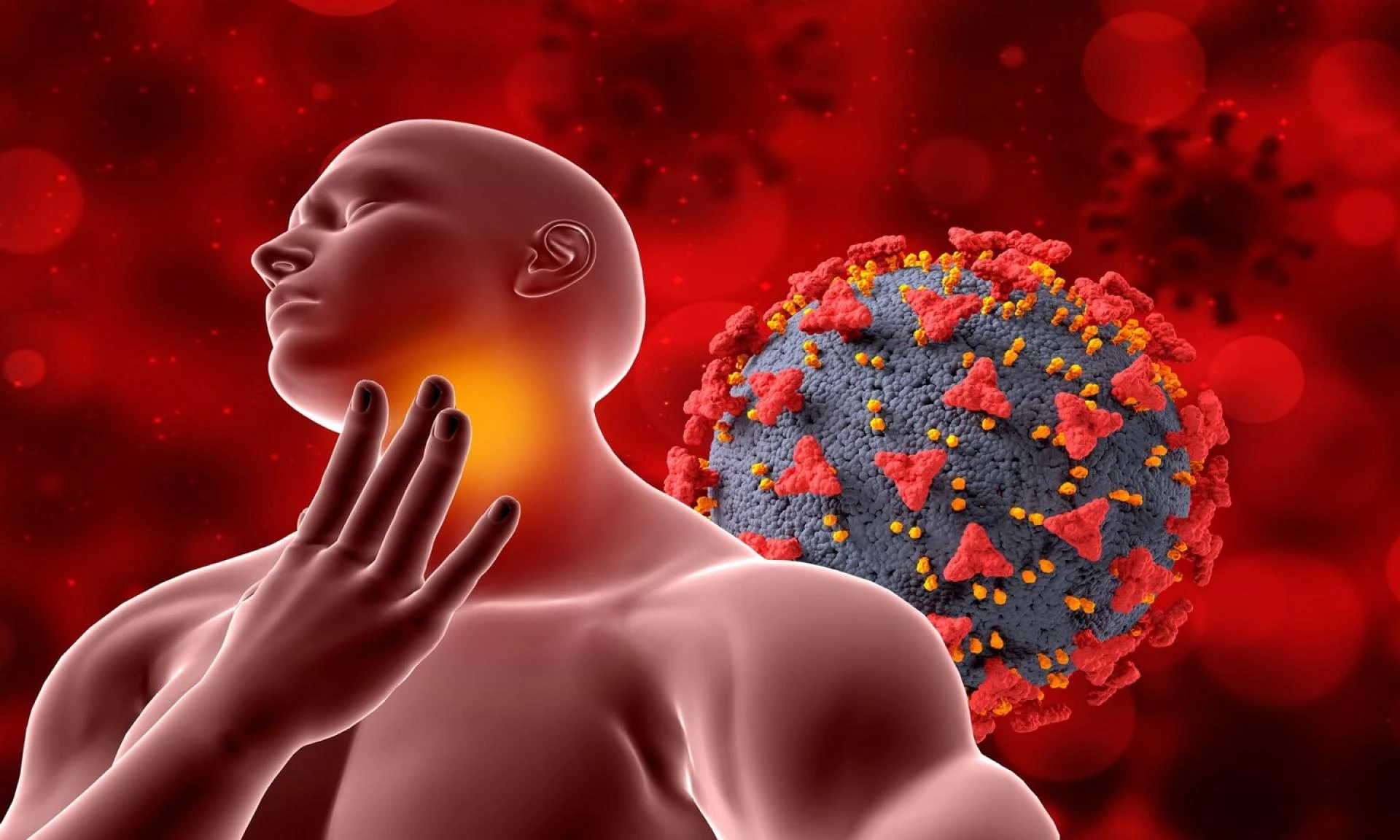
Do you often feel tired, foggy, or notice unexplained weight gain? It might be more than just a busy schedule. These could be early signs of Hashimoto's disease, a common autoimmune disorder that affects millions of people worldwide.
Hashimoto's disease is an autoimmune condition where your immune system mistakenly attacks your thyroid gland, leading to hypothyroidism (an underactive thyroid). This small butterfly-shaped gland in your neck plays a crucial role in regulating your metabolism, energy levels, and overall well-being.
In this comprehensive guide, we'll help you understand the symptoms of Hashimoto's disease, explore its causes, and discuss what steps you can take if you suspect you might have this condition.
The Body's Slowdown: Key Symptoms of Hashimoto's Disease
Hashimoto's symptoms often develop gradually as your metabolism slows down. Many people dismiss these early warning signs as stress or aging, but recognizing them early can make a significant difference in your quality of life.
General Fatigue and Lethargy
The most common symptom of Hashimoto's disease is persistent fatigue that doesn't improve with rest. You might feel exhausted even after a full night's sleep, struggling to maintain your usual energy levels throughout the day.
Unexplained Weight Gain
Many people with Hashimoto's experience weight gain that seems unrelated to changes in diet or exercise habits. This occurs because your slowed metabolism makes it harder for your body to burn calories efficiently.
Cold Sensitivity
If you find yourself reaching for sweaters when others are comfortable, this could be a sign of Hashimoto's thyroid dysfunction. Your body's reduced ability to regulate temperature is a classic symptom of hypothyroidism.
Physical Aches and Pains
Joint stiffness, muscle tenderness, and general body aches are common complaints among those with Hashimoto's disease. These symptoms can be particularly noticeable in the morning or after periods of inactivity.
Digestive Issues
Constipation is a frequent symptom as your digestive system slows down along with your metabolism. This can lead to uncomfortable bloating and irregular bowel movements.
Hair and Skin Changes
You might notice your hair becoming dry, brittle, or thinning. Similarly, your skin may become dry and rough, and your nails might become more fragile and prone to breaking.
Mental Health Symptoms
Hashimoto's disease can significantly impact your mental well-being. Many people experience:
- Depression or mood swings
- "Brain fog" - difficulty concentrating or remembering things
- Anxiety or irritability
- Feeling overwhelmed by daily tasks
The Tell-Tale Sign: Goiter
A goiter is an enlarged thyroid gland that may be visible as swelling in your neck. While not everyone with Hashimoto's disease develops a goiter, it's one of the most recognizable physical symptoms when present.
Beyond the Obvious: Less Common Symptoms
While the symptoms above are most frequently reported, Hashimoto's disease can also cause:
- Slowed heart rate (bradycardia)
- Heavy or irregular menstrual periods
- Decreased libido
- Hoarse voice
- Puffy face or swollen eyelids
- Sleep disturbances
Understanding the Causes of Hashimoto's Disease
Hashimoto's disease is an autoimmune condition, meaning your immune system mistakenly identifies your thyroid tissue as foreign and attacks it. While the exact trigger isn't always clear, several factors can contribute to its development:
Genetic Predisposition
Family history plays a significant role. If you have relatives with Hashimoto's disease or other autoimmune conditions like Type 1 diabetes, rheumatoid arthritis, or celiac disease, your risk increases.
Environmental Triggers
Various environmental factors may trigger the autoimmune response in genetically susceptible individuals:
- Excessive iodine intake
- Chronic stress
- Viral infections
- Exposure to radiation
- Certain medications
Gender and Age Factors
Women are seven times more likely to develop Hashimoto's disease than men, particularly during hormonal changes such as pregnancy or menopause. The condition most commonly develops between ages 30-50.
Why is Hashimoto's Disease So Hard to Diagnose?
Diagnosing Hashimoto's disease can be challenging because its symptoms overlap with many other conditions. The gradual onset of symptoms means many people adapt to feeling unwell, assuming it's normal aging or stress.
Additionally, thyroid hormone levels can fluctuate, sometimes appearing normal during routine blood tests. This is why it's important to work with a healthcare provider who understands the complexity of thyroid disorders.
When to See a Doctor
If you're experiencing several of the Hashimoto's symptoms mentioned above, especially if they're affecting your daily life, it's time to consult a healthcare professional. Don't wait for symptoms to become severe – early intervention can prevent complications and improve your quality of life.
The Diagnostic Process
Your doctor will likely:
- Conduct a thorough physical examination
- Review your medical and family history
- Order blood tests to check:
- TSH (Thyroid Stimulating Hormone) levels
- Free T4 and T3 hormone levels
- Thyroid antibodies (TPO and thyroglobulin antibodies)
- Possibly perform a thyroid ultrasound
What to Do Next: Treatment and Management
While there's no cure for Hashimoto's disease, it's highly manageable with proper treatment and lifestyle modifications.
Medical Treatment
The standard treatment involves hormone replacement therapy with synthetic thyroid hormone (levothyroxine). This medication helps restore normal hormone levels and alleviate symptoms.
Lifestyle Modifications
Supporting your thyroid health through lifestyle changes can complement medical treatment:
- Nutrition: Focus on a balanced diet rich in selenium, zinc, and vitamin D
- Stress Management: Practice relaxation techniques like meditation or yoga
- Regular Exercise: Gentle, consistent activity can help boost energy and mood
- Sleep Hygiene: Prioritize 7-9 hours of quality sleep nightly
- Avoid Triggers: Limit processed foods and manage stress levels
Regular Monitoring
Hashimoto's disease requires ongoing monitoring. Your doctor will regularly check your hormone levels and adjust medication as needed. Symptoms and hormone needs can change over time, so consistent follow-up care is essential.
Living Well with Hashimoto's Disease
With proper diagnosis and treatment, most people with Hashimoto's disease can lead normal, healthy lives. The key is working closely with your healthcare team and being patient as you find the right treatment approach for your individual needs.
Remember that managing Hashimoto's disease is a journey, not a destination. Some days will be better than others, and that's completely normal. Focus on the improvements you can make and celebrate small victories along the way.
Conclusion
Hashimoto's disease affects millions of people, but many remain undiagnosed due to its subtle, gradual onset. Understanding the symptoms – from persistent fatigue and unexplained weight gain to brain fog and cold sensitivity – is the first step toward getting the help you need.
If these Hashimoto's symptoms sound familiar, don't dismiss them as just part of getting older or being stressed. Early diagnosis and proper management are crucial for maintaining your quality of life and preventing complications.
Take the first step toward feeling better by talking to a healthcare professional who understands thyroid disorders. You're not alone in this journey, and with the right support and treatment, you can regain your energy, clarity, and overall well-being.
Remember: your health is worth investigating, and you deserve to feel your best every day.