Modern commercial buildings, industrial facilities, healthcare centers, and manufacturing plants rely heavily on sophisticated electrical equipment to maintain smooth operations. As more variable frequency drives, UPS systems, LED lighting, automation equipment, and electronic devices are connected to power networks, electrical disturbances have become increasingly common. One of the most significant concerns affecting power quality today is harmonics.
Performing harmonic analysis helps organizations understand the health of their electrical systems and identify hidden issues before they lead to equipment failures, unexpected downtime, or increased energy costs. By evaluating the quality of electrical power, businesses can improve system reliability, protect valuable assets, and ensure compliance with industry standards.
Cornerstone Middle East provides professional power quality evaluation solutions that help industries detect, measure, and resolve harmonic-related problems through advanced inspection techniques and engineering expertise. Their detailed assessments enable organizations to make informed decisions that improve operational efficiency and electrical safety.
Understanding Harmonic Analysis and Why It Matters
Harmonic analysis is the process of measuring, evaluating, and interpreting harmonic distortions within an electrical power system. Harmonics are unwanted electrical frequencies that exist in addition to the normal operating frequency of the power supply. These distortions are generated primarily by non-linear electrical loads that draw current in irregular patterns.
As industries continue adopting advanced automation technologies, harmonic-producing equipment has become more common. While these technologies improve productivity, they also introduce power quality issues that may not be immediately visible.
A comprehensive harmonic analysis identifies the sources of distortion, measures their severity, and evaluates how they affect transformers, motors, cables, generators, switchgear, and other critical electrical infrastructure. This information allows engineers to recommend corrective measures before minor issues develop into major operational problems.
Common Sources of Harmonic Distortion
Today's electrical systems contain numerous devices capable of generating harmonics. Although each device may contribute only a small amount individually, their combined impact can significantly affect the overall power network.
Some of the most common harmonic-producing equipment includes:
- Variable Frequency Drives (VFDs)
- Uninterruptible Power Supply (UPS) systems
- LED lighting systems
- Battery charging equipment
- Computer servers and data centers
- Industrial automation systems
- Welding machines
- Adjustable speed drives
- Solar power inverters
As these technologies continue to expand across industries, the need for regular harmonic analysis becomes increasingly important for maintaining electrical system stability.
How Harmonics Affect Electrical Systems
Many organizations experience recurring electrical failures without realizing that harmonics are the underlying cause. Because harmonic distortion develops gradually, it often goes unnoticed until equipment performance begins to decline.
Excessive harmonic levels can create numerous operational challenges, including overheating of transformers, nuisance tripping of circuit breakers, overheating of cables, premature motor failures, capacitor bank damage, and inaccurate readings from electrical meters.
Poor power quality can also shorten the lifespan of expensive equipment while increasing maintenance costs. In manufacturing facilities, these problems may lead to production interruptions that directly impact profitability.
By conducting regular harmonic analysis, engineers can identify these risks early and recommend practical solutions that improve the long-term reliability of electrical systems.
Industries That Benefit from Harmonic Analysis
Nearly every industry that depends on stable electrical power can benefit from professional power quality assessments. Facilities operating around the clock are especially vulnerable to harmonic-related disturbances because even brief interruptions can result in significant financial losses.
Industries that commonly require harmonic assessments include:
- Manufacturing plants
- Commercial buildings
- Hospitals and healthcare facilities
- Oil and gas operations
- Data centers
- Airports
- Hotels
- Educational institutions
- Water treatment facilities
- Renewable energy installations
Each facility has unique electrical characteristics, making customized inspections essential for obtaining accurate and meaningful results.
The Harmonic Analysis Process
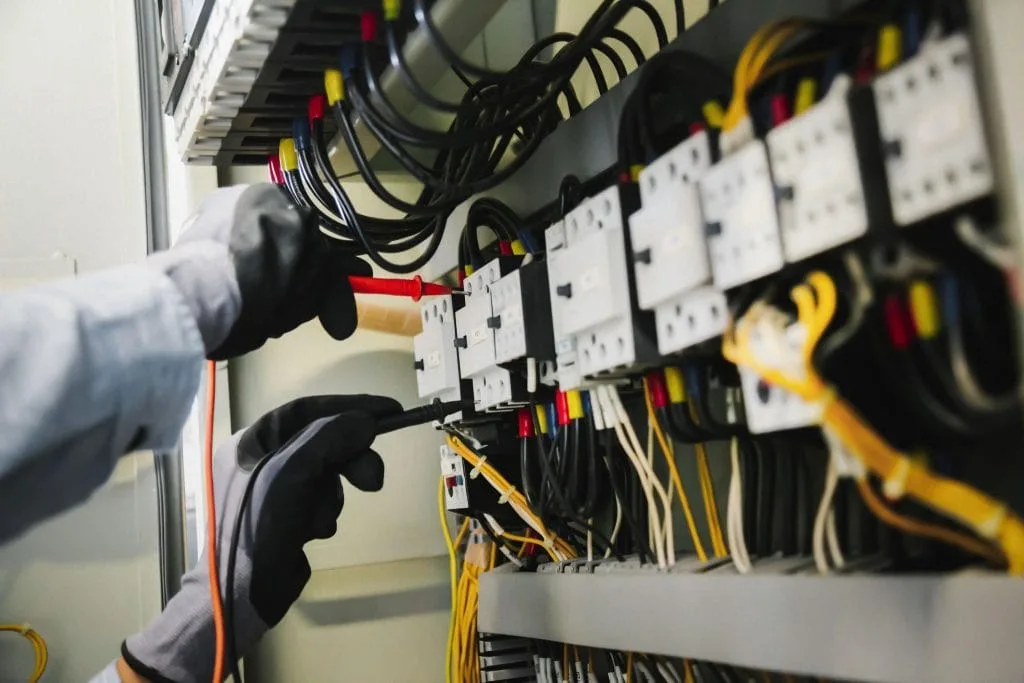
A professional harmonic analysis follows a structured engineering approach designed to identify both existing and potential power quality issues. Rather than relying on assumptions, engineers collect real-time electrical measurements using specialized instruments that monitor system performance under actual operating conditions.
The assessment typically begins with a detailed review of the facility's electrical distribution system. Engineers evaluate power consumption patterns, identify major non-linear loads, and determine appropriate monitoring locations.
Advanced power quality analyzers then record critical electrical parameters over a defined monitoring period. These measurements include voltage distortion, current distortion, Total Harmonic Distortion (THD), frequency variations, load characteristics, and other important indicators.
After data collection, engineers analyze the results against recognized international standards to determine whether harmonic levels fall within acceptable limits. If abnormalities are detected, detailed recommendations are prepared to help eliminate or reduce harmonic distortion.
Benefits of Professional Harmonic Analysis
Organizations often view electrical inspections as preventive investments rather than corrective expenses. Identifying hidden issues before failures occur significantly reduces maintenance costs while improving operational continuity.
Some major benefits include:
- Improved electrical system reliability
- Reduced equipment overheating
- Lower maintenance expenses
- Extended equipment lifespan
- Better energy efficiency
- Reduced unexpected downtime
- Improved power quality
- Increased operational safety
- Enhanced compliance with electrical standards
- Better planning for future electrical expansion
These advantages make professional evaluations an important part of any preventive maintenance strategy.
Why Professional Expertise Makes a Difference
Accurate electrical assessments require more than simply recording measurements. Engineers must understand how harmonics interact with complex electrical systems and interpret data within the context of the facility's operating conditions.
Cornerstone Middle East combines advanced diagnostic equipment with experienced engineering professionals to deliver detailed evaluations that help organizations understand the root causes of power quality issues. Their engineering approach focuses on identifying practical solutions that improve electrical performance while minimizing operational disruption.
Instead of addressing only visible symptoms, their inspections evaluate the complete electrical system to uncover hidden risks that may otherwise remain undetected.
Best Practices for Maintaining Healthy Power Quality
Maintaining a reliable electrical system requires continuous attention rather than occasional troubleshooting. Organizations can significantly reduce harmonic-related problems by implementing proactive maintenance practices.
Recommended best practices include:
- Schedule regular power quality assessments.
- Monitor electrical systems during varying load conditions.
- Inspect transformers and capacitor banks periodically.
- Maintain proper grounding throughout the facility.
- Upgrade aging electrical equipment when necessary.
- Install harmonic mitigation solutions where required.
- Review system performance after major equipment additions.
- Train maintenance personnel to recognize early warning signs.
These preventive measures help maintain stable electrical performance while reducing the likelihood of unexpected failures.
Conclusion
As electrical systems become increasingly dependent on electronic equipment and automation technologies, maintaining excellent power quality has never been more important. Harmonic distortion can silently reduce equipment performance, increase maintenance costs, and create significant operational risks if left unaddressed.
Regular harmonic analysis provides valuable insight into the condition of an electrical network, allowing organizations to detect hidden issues before they affect productivity or safety. Through detailed engineering evaluations, facilities can improve system reliability, enhance energy efficiency, and extend the service life of critical electrical assets.
With extensive experience in power quality evaluation services, Cornerstone Middle East supports industries with comprehensive inspections and expert recommendations that help maintain efficient, reliable, and safe electrical systems. Investing in professional harmonic analysis today is a proactive step toward preventing costly failures and ensuring long-term operational excellence.