Hair loss can affect your appearance, confidence, and comfort in social situations. Whether you are noticing a receding hairline, thinning at the crown, or visible bald patches, exploring hair restoration options can feel like a significant decision. A hair transplant may help restore hair in areas affected by permanent hair loss, but understanding the process and setting realistic expectations is essential.
Before-and-after photographs often show impressive transformations, yet the complete journey includes consultation, surgery, recovery, and gradual hair growth over several months.
At Nirmiti Cosmetic Centre, led by Dr. Neeraj Bhaban, individuals can seek guidance about cosmetic procedures and learn about appropriate treatment options. This guide explains what to expect from a hair transplant, how recovery progresses, and which common myths deserve a closer look.
What Is a Hair Transplant?
A hair transplant is a surgical procedure in which hair follicles are taken from a donor area, usually the back or sides of the scalp, and implanted into areas affected by hair loss.
The two commonly used techniques are:
- Follicular Unit Extraction (FUE): Individual follicular units are extracted from the donor area and transplanted into the recipient area.
- Follicular Unit Transplantation (FUT): A strip of scalp is removed from the donor area, and individual follicular units are separated before implantation.
Both techniques aim to create natural-looking hair growth. The appropriate method depends on donor hair density, scalp condition, the pattern of hair loss, and individual goals.
A consultation with an appropriately qualified hair restoration professional helps determine whether surgery is suitable for you.
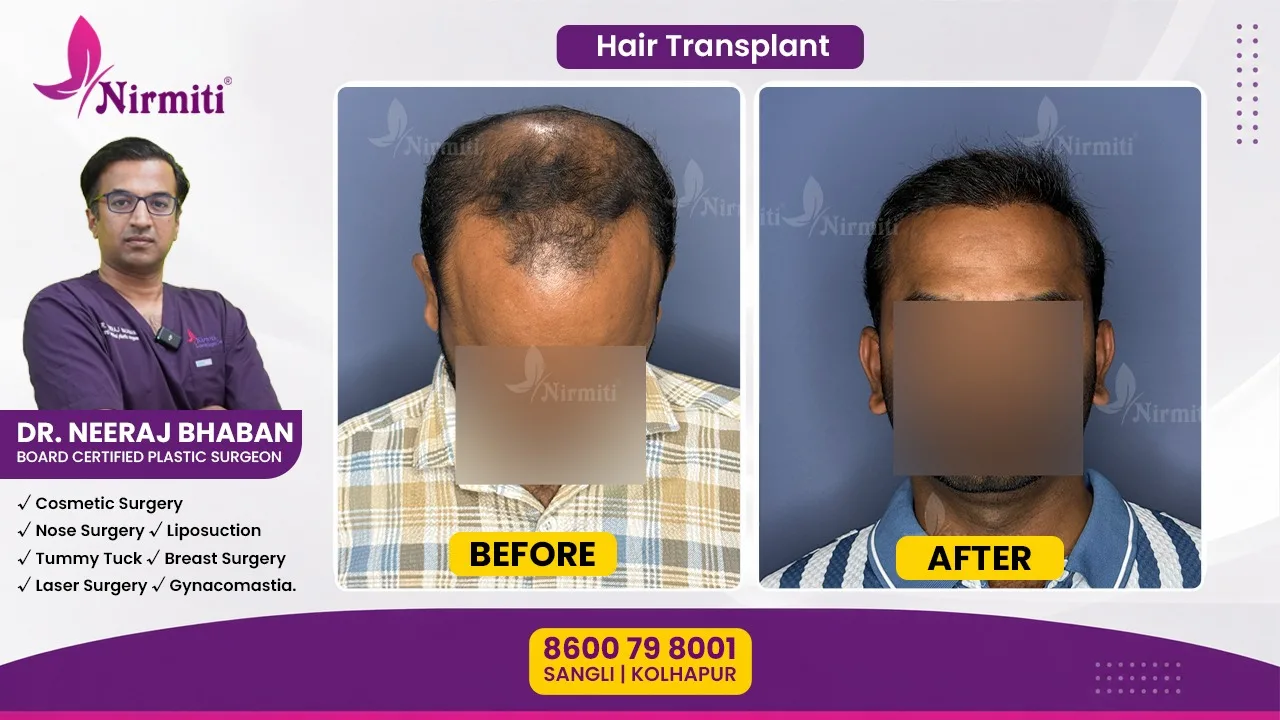
Hair Transplant Before and After: What Changes Can You Expect?
Before surgery, your specialist evaluates your hairline, donor area, scalp health, medical history, and pattern of hair loss. Photographs may be taken to document your starting point and help plan the procedure.
After transplantation, the scalp may initially appear red, swollen, or covered with small scabs. These temporary changes are part of the early healing process.
During the following weeks, many transplanted hairs shed. This is commonly called shock shedding and is generally an expected part of the hair growth cycle. The follicles may remain in place even when the visible hair shafts fall out.
New hair growth often begins to become noticeable around three to four months after surgery. More visible improvement usually develops over six to twelve months, while some patients need twelve to eighteen months to appreciate the full result.
The outcome depends on factors such as donor hair quality, the number and placement of grafts, the cause of hair loss, and individual healing. Before-and-after photographs should therefore be viewed as examples rather than guarantees.
Hair Transplant Recovery: A Timeline
First Few Days: Initial HealingMild tenderness, swelling, redness, and scabbing may occur around the donor and recipient areas.
During this period:
- Follow your surgeon's instructions for washing and caring for your scalp.
- Avoid rubbing, scratching, or disturbing the transplanted area.
- Take prescribed medication as directed.
- Avoid strenuous exercise until your surgical team says it is safe.
- Attend scheduled follow-up appointments.
Contact your medical team if you experience worsening pain, fever, spreading redness, or unusual discharge.
First Two Weeks: Protecting the GraftsThe transplanted follicles need time to settle into the recipient area. Follow your surgeon's instructions carefully, particularly regarding shampooing, sleeping position, and physical activity.
Scabs generally begin to fall away as healing progresses. Do not pick at them, because disturbing the healing skin can cause problems.
Months Three to Six: Early Hair GrowthNew hairs may initially appear thin, soft, or uneven. Growth is gradual, and the scalp may not look significantly fuller immediately.
Patience is important during this stage. Continue follow-up care and discuss any concerns with your surgeon instead of judging the final outcome too early.
Months Six to Twelve and Beyond: Visible ImprovementHair density and coverage often improve over time. Some areas may develop faster than others, and the final appearance can take more than a year to assess.
Your specialist may also discuss treatments for ongoing hair loss in non-transplanted areas when appropriate.
Common Hair Transplant Myths Explained
Myth 1: Results Are ImmediateFact: Hair transplantation requires time. Initial shedding is common, and new growth generally develops gradually over several months.
Myth 2: A Hair Transplant Stops All Future Hair LossFact: Transplanted follicles may continue producing hair, but existing non-transplanted hair can keep thinning. Long-term planning may include medical treatment when suitable.
Myth 3: Anyone Experiencing Hair Loss Can Have a TransplantFact: Not everyone is an appropriate candidate. The cause of hair loss, donor hair availability, scalp health, and medical history must be assessed first.
Myth 4: FUE Leaves No ScarsFact: FUE generally leaves small, scattered scars rather than a single linear scar. These may still be visible, particularly with very short hairstyles.
Myth 5: More Grafts Always Mean Better ResultsFact: The quality, distribution, and placement of grafts matter as much as the number. Excessive harvesting can damage the donor area, so graft planning must be tailored to each patient.
How to Prepare for Better Hair Transplant Results
Preparation begins with a thorough medical consultation. Share your medical history, current medicines, supplements, allergies, and any previous hair-loss treatments.
Choose a qualified practitioner with relevant hair restoration experience. Ask about the proposed technique, realistic density, possible complications, donor-area limitations, aftercare, and total cost.
Avoid smoking and nicotine where possible, and follow your clinician's guidance about medication adjustments. Do not stop prescribed medicines independently.
After surgery, protect your scalp, follow wound-care instructions, and attend all recommended reviews. A healthy lifestyle supports general wellbeing, but it cannot guarantee a particular hair transplant result.
Finding Hair Specialists Near Me: What Should You Look For?
If you are searching online for hair specialists near me, focus on professional qualifications, experience with hair restoration, transparent communication, and appropriate surgical facilities.
During a consultation, ask to see representative before-and-after cases, understand the expected recovery timeline, and discuss how the treatment plan will account for future hair loss. Be cautious of clinics promising guaranteed density or immediate results.
At Nirmiti Cosmetic Centre, led by Dr. Neeraj Bhaban, patients can discuss their cosmetic concerns and explore available options through an individualised consultation. Confirm the qualifications and relevant experience of the professional who would perform your specific procedure before making a decision.
The centre's cosmetic care also encompasses other procedures, and the choice of specialist should always match the treatment being considered. For example, a rhinoplasty surgeon specialises in nose surgery, which is different from hair restoration and requires its own relevant surgical expertise.
Final Thoughts
A hair transplant can be an option for people experiencing suitable forms of permanent hair loss, but successful treatment involves much more than the procedure itself. Understanding the recovery timeline, recognising common myths, and maintaining realistic expectations can help you make a better-informed decision.
If you are considering hair restoration, seek a professional assessment to understand your donor hair capacity, likely results, and long-term treatment needs. At Nirmiti Cosmetic Centre, led by Dr. Neeraj Bhaban, an individualised consultation can help you explore your options and plan your next steps with greater clarity.