Hair loss is a concern that affects millions of people worldwide. Whether caused by genetics, aging, hormonal changes, or lifestyle factors, thinning hair can impact both appearance and confidence. As hair transplant procedures continue to grow in popularity, one question consistently arises: Is a hair transplant painful?
The answer is reassuring for most patients. Thanks to advancements in hair restoration technology, modern hair transplant procedures are designed to be comfortable, minimally invasive, and highly effective. Understanding what happens throughout the process can help eliminate uncertainty and make your hair restoration journey more stress-free.
Why Modern Hair Transplants Are More Comfortable Than Ever
Years ago, hair restoration procedures were more invasive and often associated with longer recovery periods. Today's techniques have evolved significantly, allowing specialists to perform precise follicle transplantation with minimal discomfort.
Modern procedures focus on:
- Reduced scalp trauma
- Faster healing
- Improved patient comfort
- Natural-looking outcomes
- Minimal downtime
As a result, most patients report only mild discomfort during the entire treatment journey.
The Consultation Stage: Your First Step Toward Hair Restoration
Before undergoing a hair transplant, patients attend a detailed consultation.
During this appointment, the specialist examines:
Hair Loss Pattern
Understanding the extent of hair loss helps determine the most effective treatment approach.
Donor Hair Availability
Healthy follicles from the donor area are essential for successful transplantation.
Scalp Health
The condition of the scalp can influence treatment planning and recovery.
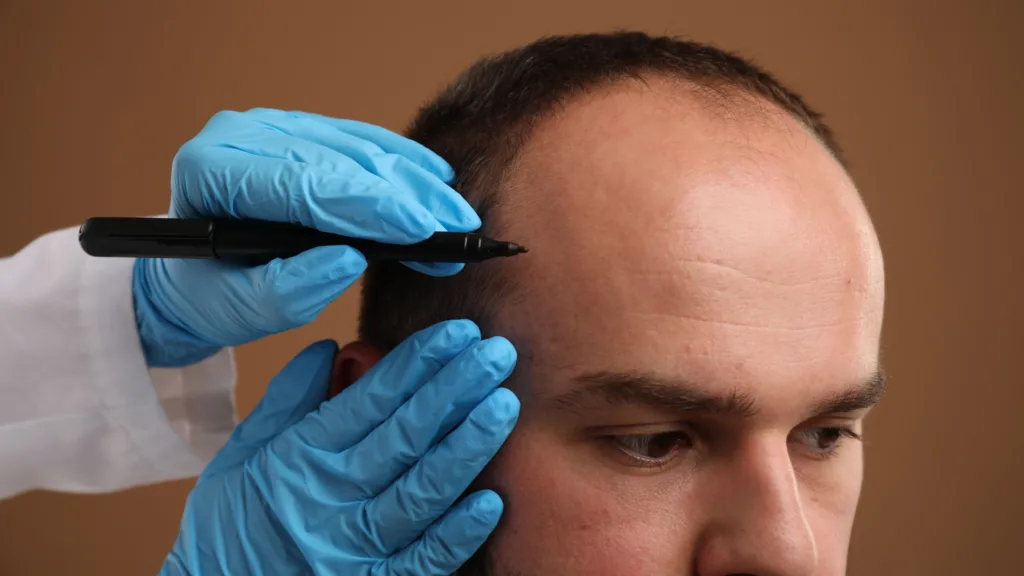
Hairline Design
A customized hairline is designed to achieve natural and aesthetically pleasing results.
This stage involves no pain and provides valuable information about the procedure and expected outcomes.
What Happens on the Day of the Procedure?
One of the main reasons patients are surprised by the experience is how comfortable the treatment actually feels.
Local Anesthesia
Before the procedure begins, local anesthesia is administered to numb the scalp.
Patients may notice:
- Mild pressure
- Brief stinging
- Temporary discomfort lasting only a few moments
Once the anesthesia takes effect, the treatment area becomes numb.
Follicle Harvesting
Healthy hair follicles are carefully extracted from the donor area.
Because the scalp is anesthetized, patients typically feel very little during this stage.
Graft Implantation
The extracted follicles are placed into carefully designed recipient sites.
The implantation process is performed with precision to create a natural hair growth pattern and balanced hair density.
Most patients remain relaxed throughout the procedure and experience minimal discomfort.
Common Sensations During Treatment
Instead of pain, patients often describe feeling:
- Gentle pressure
- Slight movement on the scalp
- Temporary numbness
- Occasional mild sensitivity
Significant pain during the procedure is uncommon due to effective anesthesia and advanced techniques.
Recovery: What to Expect After a Hair Transplant
Following treatment, the scalp enters a healing phase.
Patients may experience temporary symptoms such as:
Mild Tenderness
The donor and recipient areas may feel sensitive for a few days.
Slight Swelling
Some swelling around the forehead or scalp can occur but usually resolves quickly.
Redness
Temporary redness is a normal part of the healing process.
Itching
As the scalp heals, mild itching may develop. This is often a sign of normal recovery.
These effects are generally temporary and manageable.
Hair Transplant Recovery Timeline
Days 1–3
The scalp begins healing, and tiny scabs form around transplanted follicles.
Week 1
Most swelling and redness start to decrease.
Weeks 2–3
The scalp appears significantly improved, and most patients return to normal routines.
Months 1–3
Temporary shedding of transplanted hairs may occur before new growth begins.
Months 4–6
New hair becomes visible and gradually increases in density.
Months 8–12
Fuller, thicker, and more natural-looking hair continues to develop.
How to Make Recovery Easier
Following post-treatment instructions is essential for comfort and optimal results.
Important recommendations include:
- Avoid touching transplanted grafts
- Sleep with your head slightly elevated
- Avoid strenuous physical activities initially
- Protect the scalp from direct sunlight
- Follow prescribed medications
- Attend follow-up appointments
Proper aftercare helps ensure successful healing and long-term hair growth.
Advantages of Hair Transplant Treatment
Permanent Hair Growth
Transplanted follicles continue growing naturally for years.
Natural Appearance
Modern implantation techniques create realistic density and hairline design.
Minimal Downtime
Most individuals return to daily activities within a short period.
Improved Confidence
Hair restoration can significantly enhance self-esteem and overall appearance.
Long-Term Value
Unlike temporary hair loss solutions, hair transplantation offers lasting results.
Why Patients Trust Clinic Reborn for Hair Transplant Procedures
Clinic Reborn combines advanced hair restoration technology with personalized treatment planning to deliver natural-looking outcomes. Every patient receives a customized approach based on their hair loss pattern, facial features, and long-term goals.
The clinic prioritizes patient comfort, safety, and satisfaction at every stage of the treatment process, helping individuals achieve fuller hair and renewed confidence.
Final Thoughts
The fear of pain is often one of the biggest barriers preventing people from exploring hair transplant treatment. However, modern hair restoration procedures are designed to be minimally invasive and highly comfortable.
While mild tenderness and temporary sensitivity may occur during recovery, most patients find the experience far easier than anticipated. With expert care, advanced techniques, and proper aftercare, a hair transplant can provide a permanent and natural-looking solution for hair loss while restoring confidence and quality of life.