Hair thinning is a common concern that affects both men and women at different stages of life. Unlike sudden hair loss, thinning often develops gradually, making it easy to overlook until a noticeable reduction in hair volume has occurred. While losing a small number of hairs each day is a normal part of the natural hair growth cycle, excessive shedding or a visible decrease in hair density may indicate an underlying issue that requires attention. Identifying the root cause is one of the most important steps because successful hair loss treatment begins with understanding why hair thinning is happening in the first place.
Understanding the Causes of Hair Thinning
Hair growth follows a continuous cycle that includes active growth, transition, resting, and shedding. Under normal conditions, these phases remain balanced, allowing healthy hair to replace strands that naturally fall out. However, when this cycle is disrupted, more hairs may enter the shedding phase than the growth phase, leading to gradual thinning over time.
Several factors can interfere with this process. Genetics is one of the most common causes, particularly in individuals with a family history of pattern hair loss. Hormonal changes associated with pregnancy, menopause, thyroid disorders, or other endocrine conditions may also affect the hair growth cycle. Nutritional deficiencies, especially low levels of iron, vitamin D, zinc, or protein, can weaken hair follicles and reduce healthy hair production.
Chronic stress is another major contributor. Physical or emotional stress can temporarily push a large number of hair follicles into the shedding phase, resulting in noticeable hair loss several months later. Certain medications, autoimmune conditions, scalp disorders, and chronic illnesses may also contribute to thinning hair. Because many different factors can produce similar symptoms, professional evaluation plays an important role in determining the most suitable course of action.
Common Management Strategies
Managing hair thinning typically involves a personalized approach based on the individual's diagnosis, medical history, and overall health. A thorough scalp evaluation is often the starting point. This examination helps identify inflammation, scalp conditions, follicle health, and the overall pattern of hair loss.
A nutritional assessment may also be recommended to identify vitamin or mineral deficiencies that could be affecting hair growth. Correcting these deficiencies through dietary improvements or supplementation may help support healthier follicles.
Medical therapies are often considered when appropriate. Depending on the underlying cause, healthcare professionals may recommend evidence based medications or topical treatments designed to slow shedding and encourage healthier growth.
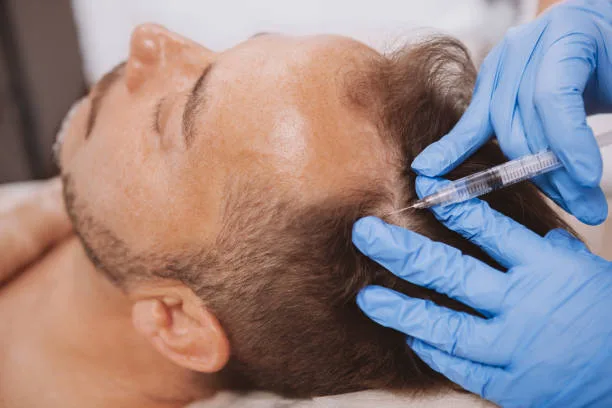
Mesotherapy based approaches have also gained attention as part of comprehensive hair restoration plans. These treatments involve delivering carefully selected nutrients, vitamins, amino acids, and other supportive ingredients directly into the scalp to help improve the environment surrounding hair follicles.
Lifestyle modifications should not be overlooked. Maintaining a balanced diet, managing stress, getting sufficient sleep, avoiding excessive heat styling, and using gentle hair care practices can all contribute to healthier scalp conditions and stronger hair over time.
Why Early Intervention Matters
One of the greatest advantages of seeking professional advice early is the opportunity to preserve existing hair follicles before significant damage occurs. Many forms of hair loss become more difficult to reverse once follicles have remained inactive for extended periods.
Modern treatment plans frequently combine multiple strategies to improve scalp circulation, nourish follicles, reduce ongoing shedding, and encourage healthier hair growth. Since every individual responds differently, treatment outcomes vary depending on the underlying cause, age, genetics, overall health, and consistency with the recommended plan.
Regular follow up appointments allow practitioners to monitor progress and adjust treatment as needed. Hair growth is naturally gradual, so patience and realistic expectations are essential throughout the process.
A comprehensive approach that addresses both medical and lifestyle factors offers the strongest foundation for maintaining healthier hair in the long term. By identifying the cause early and following an individualized treatment plan, many people can improve hair density, support follicle health, and maintain confidence in their appearance for years to come.