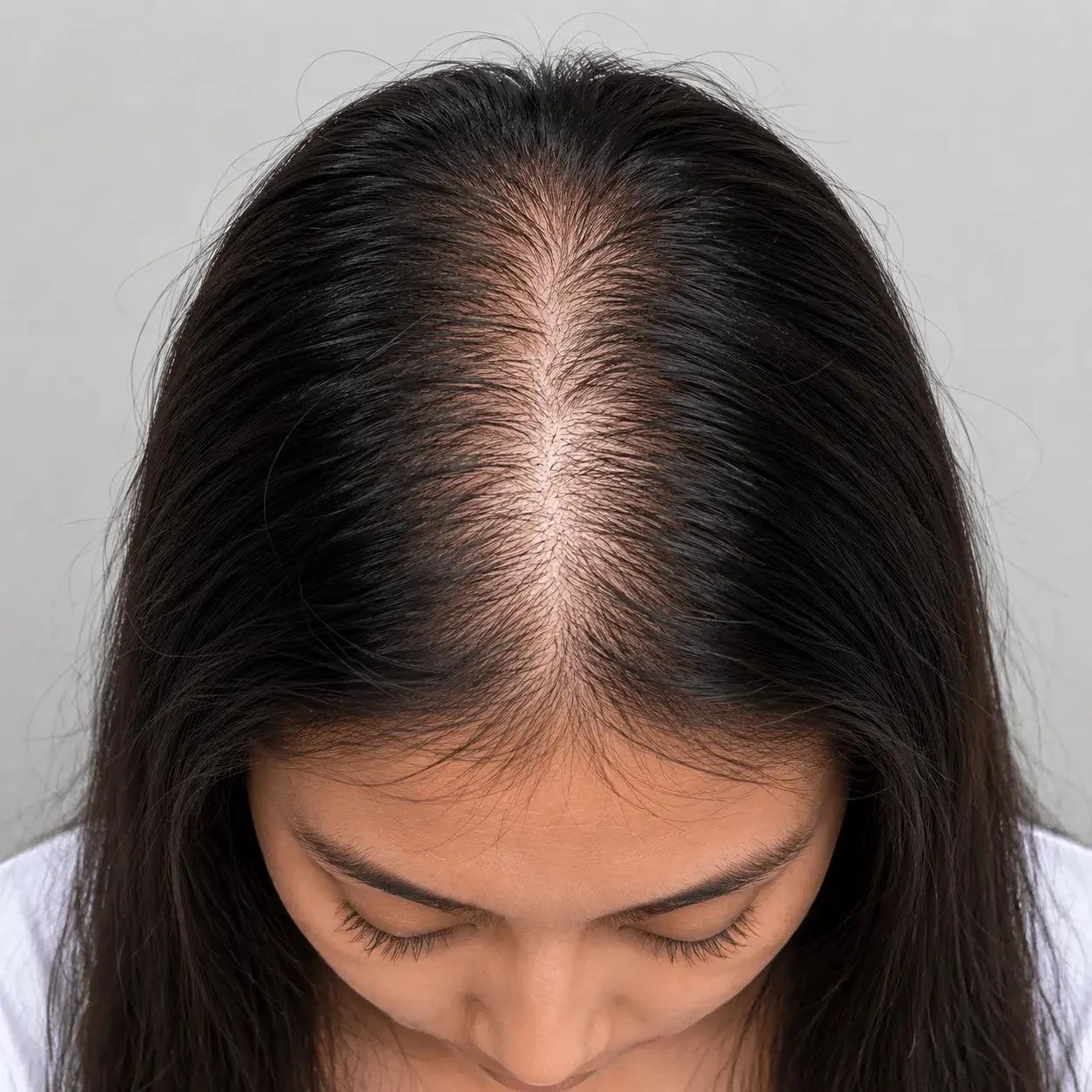
Hair fall is a common concern among women and can affect confidence, comfort, and everyday life. While losing some hair daily is normal, excessive shedding, a widening hair part, or visible thinning may indicate an underlying problem. Identifying the cause early can help women choose suitable treatment and avoid ineffective remedies.
For women seeking hair fall treatment for women in Chennai, understanding the causes, diagnostic tests, and available care options is an important first step. RJR Herbal Hospitals encourages patients to seek professional guidance and follow a treatment plan suited to their individual needs.
What Causes Hair Fall in Women?
Hair loss can develop gradually or suddenly, depending on its cause. Several factors may contribute to excessive hair shedding or reduced hair density.
1. Hormonal changes: Pregnancy, childbirth, menopause, and certain hormonal conditions can influence the hair growth cycle. Polycystic ovary syndrome (PCOS) may contribute to thinning hair in some women.
2. Nutritional deficiencies: Low iron levels, inadequate protein intake, and certain vitamin deficiencies may contribute to hair loss. Supplements should be taken only when appropriate deficiencies or medical needs have been identified.
3. Stress and illness: Significant emotional stress, surgery, fever, or a serious illness can trigger temporary hair shedding. This may become noticeable a few months after the triggering event.
4. Female pattern hair loss: This hereditary condition commonly causes gradual thinning across the scalp or a widening of the central hair part. Early evaluation may help slow progression.
5. Hair styling and scalp conditions: Tight hairstyles, frequent heat styling, chemical treatments, scalp inflammation, and certain infections can damage hair or contribute to hair loss.
Understanding these factors helps specialists distinguish temporary shedding from conditions that require targeted treatment.
Common Signs That Need Attention
Occasional hair shedding is usually normal. However, consider seeking medical advice
if you notice:
● Persistent or excessive hair fall while washing or combing.
● A widening parting or reduced hair volume.
● Bald patches or sudden hair loss.
● Scalp itching, redness, scaling, or pain.
● Hair thinning accompanied by irregular periods, acne, or unusual facial hair growth.
Sudden patchy loss or scalp inflammation deserves prompt assessment because some conditions can cause lasting hair loss if treatment is delayed.
What Tests May Be Needed for Hair Fall?
There is no single test that identifies every cause of hair loss. A healthcare professional usually begins by reviewing your symptoms, medical history, diet, menstrual history, recent illnesses, medications, and family history.
Depending on the findings, the following assessments may be recommended:
Scalp examination: The specialist examines hair density, the pattern of thinning, and the condition of the scalp.
Hair pull test: A gentle examination may help assess whether more hairs than expected are shedding.
Blood tests: A complete blood count, iron studies such as ferritin, thyroid function tests, or selected nutrient tests may be appropriate when symptoms suggest anaemia, iron deficiency, thyroid problems, or nutritional deficiencies.
Hormonal evaluation: Women with irregular periods, acne, or increased facial hair may need targeted hormonal assessment for conditions such as PCOS.
Scalp biopsy or other investigations: These are considered when the diagnosis remains unclear or a scarring or inflammatory hair-loss condition is suspected.
Not every woman needs every test. Appropriate testing helps avoid unnecessary expenses and guides more effective care.
Hair Fall Treatment for Women in Chennai: Available Care Options
Treatment depends on the diagnosis, severity of hair loss, overall health, and personal circumstances.
Medical treatment: Dermatologists may recommend topical minoxidil for suitable cases of female pattern hair loss. It requires consistent use, and visible improvement can take six to twelve months. It is not suitable for everyone, particularly during pregnancy or breastfeeding, so medical advice is important.
Correction of deficiencies: If testing identifies iron deficiency or another nutritional problem, the underlying cause should be addressed under professional supervision.
Hormonal management: When a hormonal condition contributes to hair loss, treating that condition may form part of the care plan.
Scalp treatment: Infections, inflammation, and other scalp disorders require condition-specific treatment rather than general hair-growth products.
Supportive hair care: Gentle washing, avoiding tight hairstyles, limiting excessive heat, and maintaining a balanced diet can reduce preventable hair damage.
Women exploring traditional or herbal care at RJR Herbal Hospitals should discuss the proposed treatment, evidence, possible side effects, and interactions with existing medicines. Herbal products should not be assumed to reverse hair loss or replace necessary medical treatment.
Daily Habits to Support Healthy Hair
Small, consistent changes can support overall hair health:
● Eat a balanced diet containing adequate protein, vegetables, fruits, and iron-rich foods.
● Avoid crash diets and rapid weight-loss programmes.
● Use a gentle shampoo and conditioner suited to your hair and scalp.
● Reduce tight ponytails, frequent straightening, and harsh chemical treatments.
● Manage stress and maintain a regular sleep schedule.
● Avoid taking high-dose biotin, iron, or other supplements without a clear medical reason.
Remember that oils, shampoos, and home remedies cannot correct every underlying cause of hair loss.
When Should You Seek Specialist Guidance?
Consult a healthcare professional if hair fall persists, becomes progressively worse, or is accompanied by bald patches, scalp discomfort, or other unexplained symptoms. Early diagnosis is especially important when inflammation or scarring may damage hair follicles permanently.
At RJR Herbal Hospitals, patients can discuss their hair concerns, medical history, nutritional habits, and treatment preferences to understand suitable next steps. The right approach should be based on individual assessment rather than a one-size-fits-all solution.
Conclusion:
Hair fall in women can result from hormonal changes, nutritional deficiencies, stress, hereditary factors, or scalp conditions. Identifying the underlying cause is more useful than repeatedly switching between unproven hair-growth products.
If you are looking for hair fall treatment for women in Chennai, seek professional guidance to understand the necessary tests and suitable treatment options. With an accurate diagnosis, consistent care, and realistic expectations, many women can manage hair loss and protect their long-term hair health.