
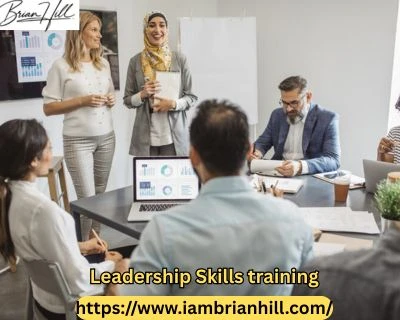
Today’s fast-moving business world calls for stronger leadership than any time in recent history. Training leaders can turn a team around, boost performance, and improve organizational outcomes. This is where Leadership Skills Training comes in. Whether you are an emerging manager or an established executive, knowing how to encourage and develop the fundamentals of leadership is essential.
What is Leadership Skills Training?
Leadership Skills Training consists of established programs and workshops to learn to lead, manage, and inspire. Leadership Skills Training incorporates a variety of skills, including communication, making decisions, conflict mediation, teams, and strategic thinking.
Good training goes beyond cognitive rote learning. It gives participants hands on tools and experiences that prepare them to think on their feet and handle real-life challenges. Brain Hill feels strongly that leadership is not authority, it’s an influence, the ability to empathize, and bring together a team to achieve common goals.
Importance of Leadership Skills Training
Organizations must constantly adapt to change, competition, and workforce expectations that always seem to evolve. Leadership Skills Training is valuable to participants in improving:
• Communication Skills: Good leaders understand how to effectively communicate ideas, listen attentively, and engage their team members.
• Confidence: Leadership training gives participants the confidence to make decisions and take accountability.
• Teamwork: A good leader develops a climate of teamwork and shared responsibility.
• Growth: Leaders who are trained in strategic thinking and problem-solving will have a positive influence on their organization.
• Change: In today's world, leaders are benefiting from management training to help them manage uncertainty and conflict.
Brian Hill observes that companies that invest in leadership development will frequently experience increased employee retention and engagement while also experiencing an uptick in performance.
Leadership Skills Training Programs
Leadership development is not a one-size-fits-all endeavor. Different types of programs have been developed for each level of organizational experience, workplace industry, and learning style. Here are several examples of the different Leadership Skills Training Programs:
1. Executive Leadership Programs
Designed for senior level managers and executives, this type of program focuses on strategic leadership, decision-making, and building their organization from within. Participants develop their leadership style to align with the company's vision.
2. Programs for Emerging Leaders
Emerging Leader programs are designed for high-potential employees intended to develop tomorrow's leaders. Content generally focuses on emotional intelligence, communication, and team management.
3. Online Leadership Training Programs
Online programs provide flexibility and convenience, giving employees the opportunity to learn at their own pace. Courses typically combine interactive modules, webinars, and virtual coaching.
4. Workshop-Based Leadership Training
Workshops embrace experiential learning, including role-playing situations, and collaborative experience. Brian Hill states, "Interactive learning facilitates accelerated skill development."
5. Mentorship and Coaching Programs
Mentorship and Coaching programs provide one-on-one mentorship with experienced leaders who will help guide, provide feedback, and support participant leaders with real-life situations.
Key Skills Developed in Leadership Skills Training
Successful leadership skills training will purposefully target several competencies to develop well-rounded development:
• Effective communication skills: Understand how to communicate ideas clearly, listen actively, and provide valuable feedback.
• Decision making: Understand how to evaluate situations, establish alternatives, and make decisions.
• Team building: Build collaboration, trust, and motivation among staff and teams.
• Conflict resolution: Maintain professionalism while resolving disagreements, and finding solutions that work for both parties.
• Emotional intelligence: Manage your feelings, and identify the feelings of others.
• Time management: Prioritize tasks and delegate responsibilities.
• Strategic thinking: Create plans that promote long-term objectives and align team objectives to the objectives of the organization.
Advantages of Enrolling in Leadership Skills Training.
There are major advantages for both organizations and individuals through investment in leadership development.
Individuals will benefit by:
• Progression in Career: Good leadership skills will increase chances of being promoted and getting other opportunities.
• Increase in Confidence: Well-designed training can provide valuable skills to make decisions and deal with issues successfully.
• Relationships: Learning the skills to build trust and demonstrate collegial workplace relationships.
Organizations will benefit by:
• Employee Engagement: Well-trained leaders inspire their teams and encourage an engaged workforce.
• Productivity: A leader can direct human resources towards effective handling of goals and objectives.
• Turnover: Employees are more likely to continue working with organizations that invest in their leadership development.
Brian Hill emphasizes that the real, organizations benefit is more than personal benefits, investments shown to be an advantage for organizations.
How to Select a Leadership Skills Training Program?
With the numerous options, selecting the right training can be quite confusing. Start with:
1. Program Objectives. First, identify what you want to accomplish. Do you want to improve your personal capabilities, work with your team member or report, or do you want to be able to function in a role needing a higher management skill.
2. Training Exposure. Based on what you’re learning style is, determine if you prefer workshops, executive programs, on-line courses, and or mentors.
3. Content Quality
Look for programs with a comprehensive curriculum, practical exercises, and experienced instructors. Brian Hill recommends programs that balance theory with actionable strategies.
4. Reputation and Reviews
Check for feedback from past participants and endorsements from reputable organizations.
5. Cost and Value
While cost is important, focus on the value provided in terms of skill development, networking opportunities, and career growth.
Best Practices for Maximizing Leadership Training
Participating in a program is just the first step. To truly benefit, follow these practices:
- Set Clear Goals: Determine what skills you want to develop before starting the program.
- Engage Actively: Participate in discussions, exercises, and role-playing scenarios.
- Apply Learning Immediately: Implement new techniques in real workplace situations.
- Seek Feedback: Request feedback from peers and mentors to refine your approach.
- Reflect Regularly: Review progress, identify strengths, and work on weaknesses continuously.
Real-World Examples of Effective Leadership Skills Training
Brian Hill highlights that organizations across industries have successfully leveraged leadership skills training to drive performance:
- Tech Companies: Training programs focusing on emotional intelligence and innovation have improved team collaboration and creativity.
- Healthcare Organizations: Leadership training for hospital administrators has led to better patient care and staff satisfaction.
- Corporate Firms: Executive coaching and mentorship programs have enhanced decision-making and strategic planning capabilities.
These examples demonstrate how tailored programs can make a tangible difference in both individual and organizational success.
The Future of Leadership Skills Training
The field of leadership development continues to evolve with technology and workplace dynamics:
- Virtual Reality and Simulations: Immersive experiences allow leaders to practice decision-making in realistic scenarios.
- AI-Driven Personalized Training: Artificial intelligence can create customized learning paths based on individual strengths and weaknesses.
- Continuous Learning Models: Microlearning and ongoing coaching ensure leaders stay up-to-date with modern management practices.
Brian Hill emphasizes that staying ahead in leadership skills development is crucial for navigating the ever-changing business landscape.