
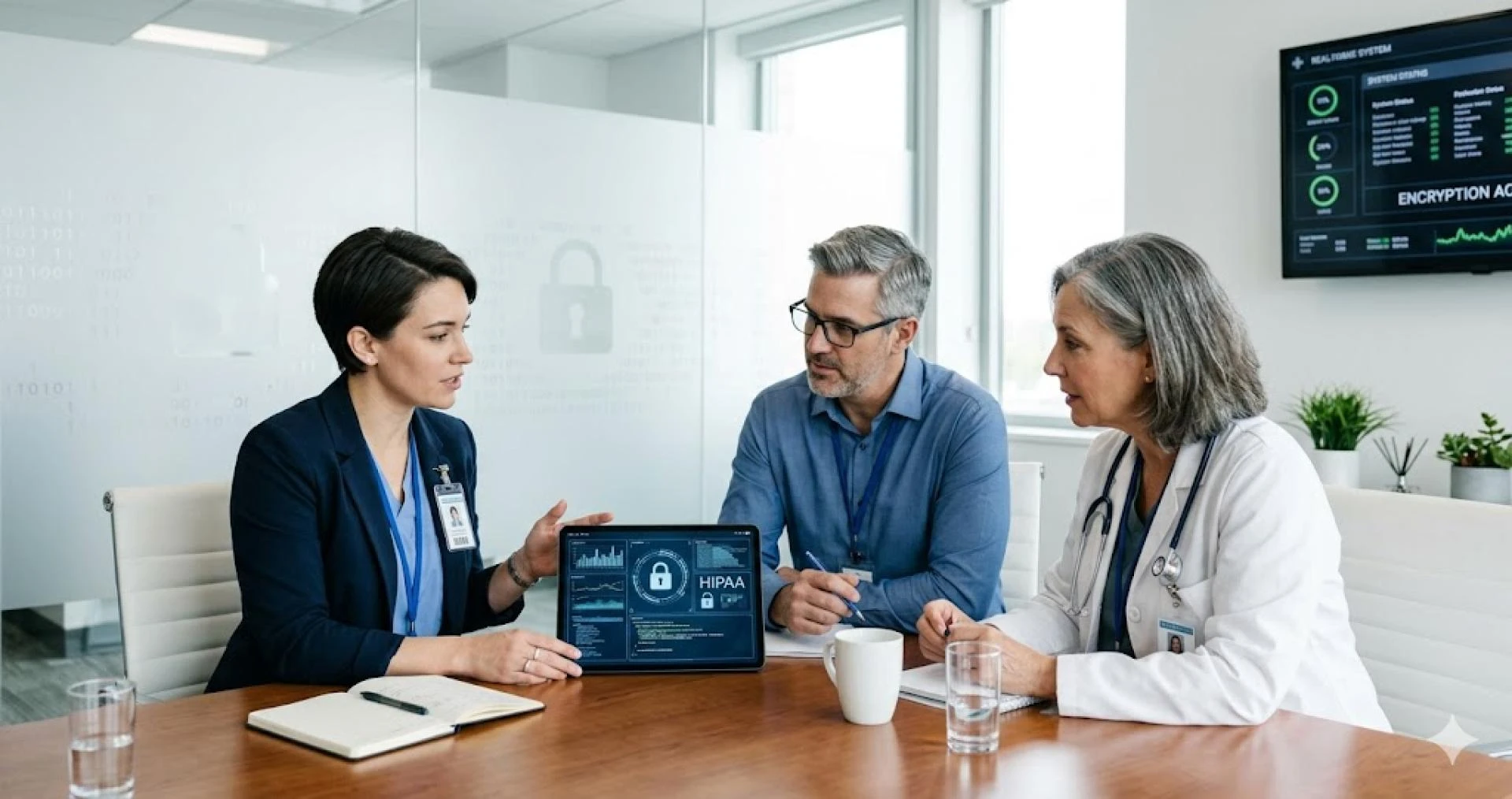
In the industrial corridors of East New York, from the massive logistics hubs near Shirley Chisholm State Park to the bustling healthcare facilities along Pennsylvania Avenue, digital connectivity is no longer a luxury—it is the backbone of operational survival. For a warehouse manager overseeing real-time inventory or a medical clinic handling sensitive patient data, a "laggy" connection isn't just an annoyance; it’s a security vulnerability and a revenue killer. As local businesses face increasing regulatory pressure and sophisticated cyber threats, the shift toward fiber business internet has become a strategic necessity to maintain both speed and ironclad security.
The Critical Role of High-Performance Connectivity in East New York
East New York is undergoing a massive digital transformation. Whether you are managing a fleet of trucks or a corporate office, your reliance on cloud-based applications and VoIP systems requires more than just a standard cable connection. Most "business class" internet packages offered by big-box providers are asynchronous, meaning your upload speeds are a fraction of your download speeds. This creates a massive bottleneck for businesses that need to push data to the cloud or host secure video conferences.
The local landscape demands infrastructure that can handle the heavy lifting of modern industry. High-performance internet provides the stability needed for sophisticated workforce management systems and ensures that your security protocols, like real-time surveillance and encrypted backups, never skip a beat.
The Shift from Shared to Dedicated Infrastructure
Traditional internet connections are often shared with neighboring buildings. During peak hours, your bandwidth can throttle, leading to dropped calls and slow application responses. For East New York logistics and warehouse operators, this inconsistency is unacceptable. Switching to a dedicated fiber internet connection means you aren't competing with the retail shop next door for bandwidth. You have a private lane on the information highway, ensuring that your speeds remain constant 24/7.
Why Symmetrical Speeds Matter for Corporate Offices
Most residential-style connections focus on downloading content. However, corporate offices and healthcare providers need high upload speeds to send large files, update electronic health records, and maintain seamless VPN connections for remote staff. Symmetrical speeds—where upload and download rates are identical—are the hallmark of professional-grade connectivity. This balance is essential for maintaining compliance with data privacy standards and ensuring that off-site backups are completed without timing out.
Supporting High-Density Hospitality and Event Spaces
In the hospitality sector, guest expectations for Wi-Fi are at an all-time high. Managing a large event space requires a robust backbone to support hundreds of simultaneous connections while keeping your internal administrative and payment processing networks isolated and secure. High-performance internet allows for network slicing, ensuring that guest traffic never interferes with your business-critical operations or your Point of Sale (POS) security.
Understanding Dedicated Internet Access (DIA) for Scalability
When your business scales, your network must scale with it. Dedicated Internet Access (DIA) is the gold standard for organizations that cannot afford a single minute of downtime. Unlike shared broadband, DIA comes with a Service Level Agreement (SLA) that guarantees uptime, latency standards, and repair times.
Comparing DIA vs. Shared Broadband Performance
Shared broadband is like taking the bus; it’s cost-effective, but you are at the mercy of the traffic and other passengers. DIA is like having a private car and a personal driver. For IT managers in East New York, the peace of mind that comes with guaranteed bandwidth is worth the investment. When evaluating dedicated internet access pricing, it is vital to look beyond the monthly bill and consider the cost of downtime. A single hour of lost connectivity for a logistics firm can result in thousands of dollars in missed shipments and labor costs.
Reliability and the 99.99% Uptime Guarantee
For healthcare facilities, uptime is a matter of compliance and patient safety. Many high-performance providers offer "four nines" or "five nines" uptime guarantees. This means the network is engineered to be functional almost every second of the year. This level of reliability is typically achieved through diverse fiber paths and proactive monitoring, ensuring that if a physical line is damaged, traffic is rerouted instantly.
Simplified Management for IT Departments
IT managers are often stretched thin, balancing cybersecurity training with hardware maintenance. A dedicated connection often comes with managed router services and 24/7 technical support. This allows your internal team to focus on high-level strategy and incident response planning rather than troubleshooting connectivity issues with a generic help desk.
Cybersecurity Integration and Network Defense
In the current threat landscape, your internet connection is the front door to your business. In East New York, cybersecurity is a top priority for any organization handling sensitive data or high-volume transactions. High-performance internet isn't just about speed; it's about providing a clean, monitored pipe for your data.
Incident Response Planning and Rapid Recovery
If a breach occurs, the speed of your internet determines how quickly you can recover. Restoring a multi-terabyte database from a cloud backup can take days on a slow connection. With high-performance fiber, that window shrinks to hours. Having a robust incident response plan coupled with a high-capacity connection ensures that your business remains resilient in the face of ransomware or data corruption.
Cloud vs. On-Premise Security Configurations
Many businesses are moving toward cloud-based security models, such as SASE (Secure Access Service Edge). These systems move the security stack to the cloud, protecting users wherever they are. However, this model relies entirely on a stable, high-speed connection. If your internet is slow, your security becomes a bottleneck, tempting employees to bypass VPNs or other protections just to get their work done.
Workforce Security Training in the Digital Age
The strongest firewall in the world cannot stop an employee from clicking a malicious link. Integrating workforce security training is a critical component of a holistic IT strategy. Businesses should conduct regular phishing simulations and security awareness sessions to ensure that the human element of the network is as secure as the hardware.
Compliance and Regulatory Requirements for NY Businesses
Operating a business in New York involves navigating a complex web of regulations. Whether it’s the SHIELD Act for data privacy or specific industry standards like HIPAA for healthcare, your network infrastructure plays a key role in compliance.
Meeting the Standards of the SHIELD Act
The New York SHIELD Act requires any person or business owning or licensing computerized data that includes the private information of a resident of New York to implement a "data security program." A high-performance, private network makes it much easier to implement the required administrative, technical, and physical safeguards. By using dedicated circuits, you reduce the surface area for "man-in-the-middle" attacks that are more common on shared infrastructure.
Data Sovereignty and Privacy Laws
While East New York businesses operate locally, they often deal with international partners. Understanding regulations like PIPEDA or GDPR is important if you handle data from residents of Canada or Europe. Ensuring that your service provider understands these frameworks—and provides the necessary encryption and data routing controls—is a key part of your due diligence.
Industry-Specific Mandates: Healthcare and Finance
Healthcare facilities must adhere to strict HIPAA guidelines regarding the transmission of Protected Health Information (PHI). Similarly, financial services firms are overseen by organizations like the NYDFS. These bodies often require encrypted tunnels and dedicated paths for sensitive data. High-performance fiber provides the physical and logical isolation necessary to meet these rigorous audits.
Comparing IT Staffing Models: Managed Services vs. In-House
As businesses in East New York grow, they face a critical decision: how to manage their growing IT and security needs. The choice between hiring direct staff or partnering with a managed service provider (MSP) has long-term implications for your budget and security posture.
Recruitment
Challenging to find and retain top-tier talent in New York.
Provider handles all hiring and continuous education.
For many logistics operators and mid-sized corporate offices, a hybrid model works best. You keep a small in-house team for immediate on-site needs while outsourcing the 24/7 network monitoring and high-level cybersecurity to an expert partner. This ensures that you are finding the right provider to complement your internal capabilities.
Future-Proofing Your Business with Fiber Infrastructure
The demand for bandwidth is only going one way: up. As artificial intelligence (AI), augmented reality (AR) for warehouse training, and IoT (Internet of Things) devices become mainstream, the local businesses that invested in fiber today will be the leaders of tomorrow.
Scalability: From 100Mbps to 10Gbps
The beauty of fiber optics is that the capacity of the glass is nearly limitless. If your business grows from 20 employees to 200, you don't need to dig up the street to install new lines. In most cases, a simple equipment upgrade at the "demarc" point can increase your bandwidth by 10x or 100x. This elasticity is crucial for seasonal businesses like hospitality or event management.
The Role of IoT in Modern Logistics
In East New York’s warehouse districts, IoT sensors are used to track everything from temperature in cold storage to the precise location of a pallet. These thousands of small data points require a network that can handle high "concurrency"—many devices talking at once—without creating latency. A high-performance network ensures that your automation systems are always synchronized.
Supporting a Hybrid and Remote Workforce
The modern office is no longer confined to four walls. However, the corporate headquarters still serves as the "hub" for data. High-performance internet ensures that your remote workers can access the central server or cloud environment with the same speed and security as if they were sitting in the office. This flexibility is a major draw for recruitment and retention of top talent.
Frequently Asked Questions about Business Internet
How much speed does my business actually need?
Speed requirements vary by industry. A retail shop might only need 50Mbps for POS and guest Wi-Fi. However, a logistics hub or corporate office with 50+ employees should look at a minimum of 500Mbps to 1Gbps of symmetrical fiber to ensure no bottlenecks occur during video calls or large data transfers.
What is the difference between broadband and dedicated fiber?
Broadband is a shared "best effort" service. Dedicated fiber is a private connection solely for your business. Dedicated lines offer guaranteed speeds, lower latency, and better security, backed by a Service Level Agreement (SLA).
How long does it take to install dedicated business internet?
If fiber is already in the building, installation can take 15 to 30 days. If a new fiber "build" is required to reach your location in East New York, it can take 60 to 90 days. It is important to plan ahead, especially if you are moving to a new facility.
Can I keep my existing phone numbers if I switch to fiber?
Yes. Most high-performance internet providers offer Hosted VoIP services that allow you to port your existing numbers. This often results in lower monthly costs and better features like mobile app integration and automated attendants.
Is fiber internet more secure than cable?
Fiber is inherently more secure because it is much harder to "tap" into the signal without being detected. Additionally, dedicated fiber isn't subject to the same types of neighborhood-wide interference or data-snooping risks that can exist on older, shared copper-based networks.
Conclusion: Taking the Next Step Toward Digital Excellence
For businesses in East New York, the transition to high-performance connectivity is a foundational step in securing their future. By moving away from congested, unreliable connections and embracing the power of dedicated infrastructure, you protect your data, empower your employees, and ensure that your operations never stop.
Defend My Business is committed to helping local organizations navigate these complex choices. We understand the specific needs of logistics centers, healthcare clinics, and corporate offices in our community. If you are ready to eliminate downtime and fortify your digital perimeter, the time to upgrade is now. A resilient network is the most important investment you can make in your business’s longevity and security. Contact us today to evaluate your current infrastructure and discover a solution tailored to your growth.