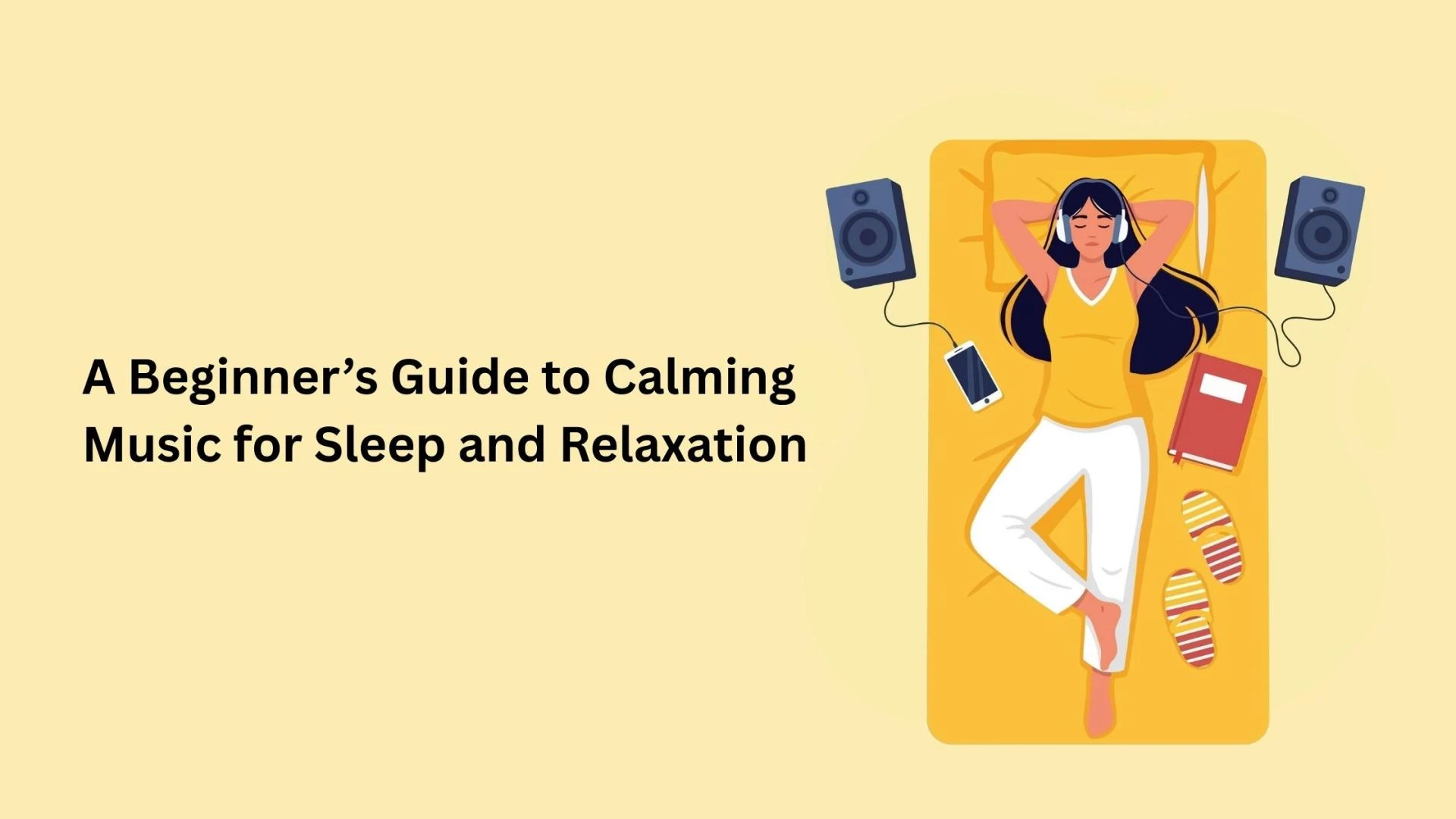
In a world that rarely slows down, finding moments of peace can feel like a challenge. Whether it’s the constant notifications, work stress, or simply the noise of daily life, many people struggle to unwind—especially at night. That’s where calming music for sleep and calming music for relaxation come in.
Music has a unique ability to influence how we feel, think, and even how our bodies respond to stress. For beginners, exploring calming music can be a simple yet powerful step toward better rest and mental clarity. This guide will walk you through everything you need to know—from how it works to how you can start using it effectively.
Why Music Helps Us Relax and Sleep
Music isn’t just entertainment—it directly interacts with your brain and nervous system. When you listen to soothing sounds, your body often responds by slowing down your heart rate, reducing cortisol (the stress hormone), and encouraging deeper breathing.
Calming music works by:
- Activating the parasympathetic nervous system (your “rest and digest” mode)
- Lowering anxiety levels
- Creating a sense of emotional safety
- Helping your mind shift away from racing thoughts
For sleep, this is especially helpful. Many people struggle not because they aren’t tired, but because their minds are still “awake.” Listening to calming music for sleep provides a gentle transition between wakefulness and rest.
What Counts as Calming Music?
Not all slow or soft music is automatically calming. The key lies in specific characteristics that help your body relax.
1. Slow Tempo
Music with a tempo of around 60–80 beats per minute tends to sync with a relaxed heart rate. This naturally helps your body slow down.
2. Minimal Lyrics
Songs with heavy or emotional lyrics can keep your brain engaged. Instrumental music, ambient sounds, or soft vocals work better for relaxation.
3. Repetition and Simplicity
Predictable patterns help your brain feel safe and reduce mental effort. Complex compositions may be stimulating rather than calming.
4. Gentle Sounds
Think soft piano, flowing water, light strings, or nature sounds like rain and ocean waves.
Types of Calming Music You Can Explore
If you’re just starting out, here are some popular categories of calming music for relaxation:
Ambient Music
This style focuses on atmosphere rather than melody. It often includes soft textures and sustained tones that create a peaceful environment.
Nature Sounds
Rainfall, forest sounds, ocean waves, and birdsong are incredibly effective. These sounds tap into our natural connection with the environment.
Instrumental Music
Piano, flute, harp, and acoustic guitar are common choices. These instruments produce soothing tones that are easy on the ears.
Binaural Beats
These are audio tracks designed to influence brainwave activity. While not everyone responds the same way, some people find them helpful for relaxation and sleep.
White Noise and Pink Noise
These consistent sound patterns can mask background noise and help you stay asleep, especially in noisy environments.
Benefits of Calming Music for Sleep
Using calming music for sleep regularly can have noticeable effects on your well-being. Here are some key benefits:
Improved Sleep Quality
Listening to soothing music before bed can help you fall asleep faster and stay asleep longer.
Reduced Nighttime Anxiety
If you often feel restless or worried at night, calming music can help quiet those thoughts.
Better Sleep Routine
Incorporating music into your nightly routine signals your brain that it’s time to wind down.
Fewer Sleep Disruptions
Gentle background music can reduce the impact of sudden noises that might otherwise wake you up.
Benefits of Calming Music for Relaxation
Beyond sleep, calming music for relaxation can support your mental and emotional health throughout the day.
Stress Reduction
Even a few minutes of listening can lower stress levels and help you feel more grounded.
Improved Focus
Soft background music can enhance concentration by reducing distractions.
Emotional Balance
Music can help regulate mood, making it easier to process emotions and feel at ease.
Mindfulness Support
Calming music pairs well with meditation, deep breathing, or yoga practices.
How to Use Calming Music Effectively
Simply pressing play isn’t always enough. To get the most out of calming music, it helps to use it intentionally.
1. Create a Routine
Try listening to calming music at the same time each day—especially before bed. Consistency helps your brain associate the music with relaxation.
2. Keep the Volume Low
The music should be soft enough to blend into the background. Loud sounds can be stimulating rather than calming.
3. Use Headphones or Speakers Wisely
- Headphones can create an immersive experience
- Speakers are better if you want a natural, room-filling sound
Choose what feels most comfortable for you.
4. Limit Screen Exposure
Avoid scrolling on your phone while listening. Let the music do its job without added distractions.
5. Combine with Other Relaxation Techniques
Pair music with:
- Deep breathing
- Light stretching
- Meditation
- Journaling
This enhances the calming effect.
Common Mistakes Beginners Make
When starting out, it’s easy to overlook a few things that can reduce the effectiveness of calming music.
Choosing the Wrong Type of Music
Not all “relaxing playlists” work for everyone. If something feels distracting or irritating, try a different style.
Expecting Instant Results
While some people feel immediate relief, others may need a few days or weeks to notice the benefits.
Overthinking the Process
Relaxation doesn’t need to be complicated. Keep it simple and focus on how the music makes you feel.
Using Music as Background Noise Only
While background listening helps, intentional listening—where you focus on the sound—can deepen the effect.
Tips for Building Your Own Playlist
Creating a personalized playlist can make your experience more enjoyable and effective.
- Start with 10–15 tracks you genuinely find soothing
- Mix different styles (ambient, instrumental, nature sounds)
- Avoid songs with sudden volume changes
- Keep the total duration around 30–60 minutes for sleep
You can also create separate playlists for:
- Bedtime
- Work or study
- Meditation
When Calming Music Might Not Be Enough
While calming music for relaxation is a powerful tool, it’s not a cure-all. If you experience ongoing sleep issues or high levels of stress, it may help to look at other factors such as:
- Sleep environment (light, noise, temperature)
- Daily habits (caffeine, screen time)
- Mental health support
Music works best as part of a broader approach to well-being.
Final Thoughts
Getting started with calming music for sleep and calming music for relaxation doesn’t require any special skills or equipment—just a willingness to slow down and listen. Over time, this simple habit can transform how you rest, recharge, and handle stress.
The key is consistency and personal preference. What works for one person might not work for another, so don’t hesitate to experiment until you find your perfect sound.
If you’re looking for an easy way to explore curated soundscapes and relaxation tracks, you might come across optios like the Music Medicine App, which focus specifically on calming and soothing audio experiences.
At the end of the day, calming music is about creating space—for rest, for peace, and for yourself. Start small, stay consistent, and let the music guide you into a more relaxed and restful state.