
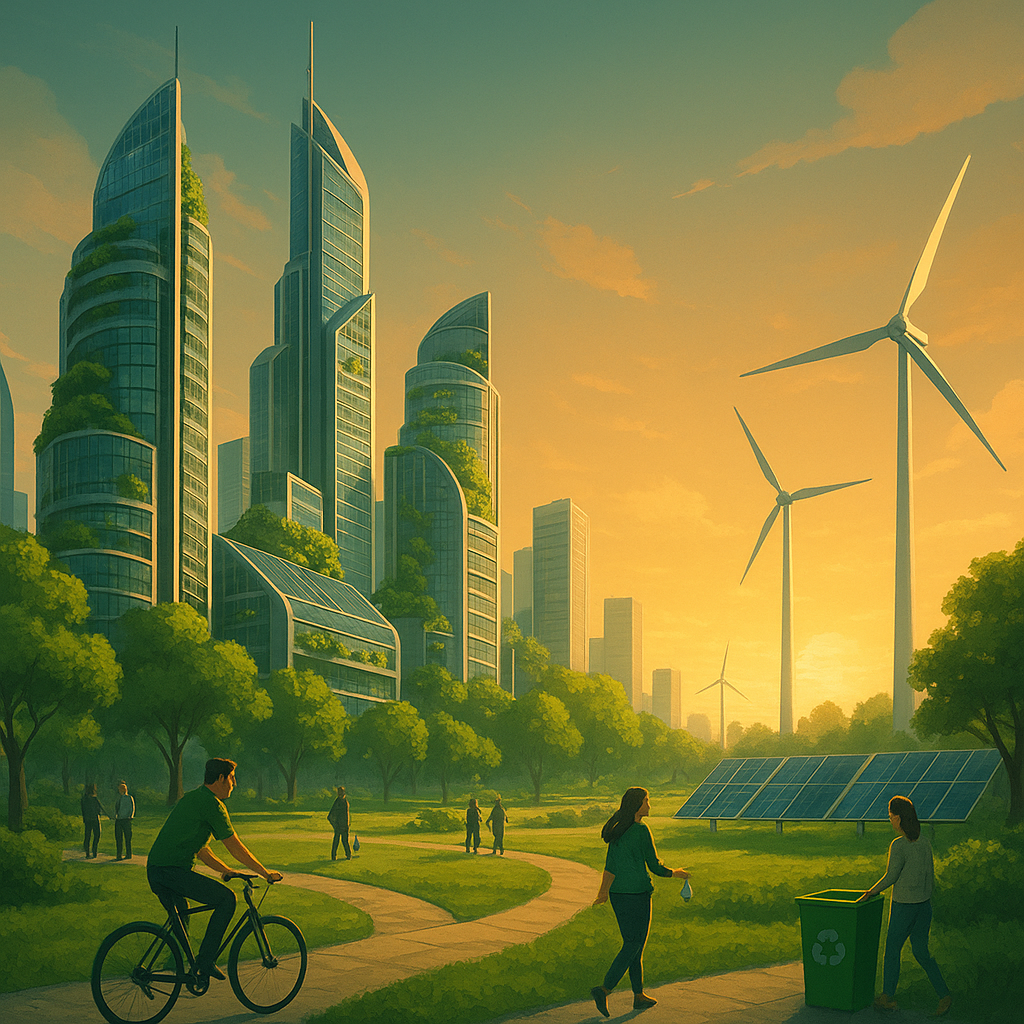
Introduction: The Dawn of a Green Technological Era
In the face of escalating climate change challenges, dwindling natural resources, and increasing environmental degradation, green technology has emerged as a beacon of hope for our planet’s survival. This field, also known as clean technology or environmental technology, is focused on developing and implementing innovations that reduce environmental impact, promote sustainability, and create a more harmonious relationship between human activity and the Earth’s ecosystems.
Green tech encompasses a broad spectrum of solutions—from renewable energy generation and energy efficiency to sustainable agriculture, waste management, and water conservation. As the world races to meet global climate goals, the transformative power of green technology is becoming ever more apparent, driving not only environmental benefits but also economic growth and social equity.
The Scope and Significance of Green Technology
Green technology is not just a buzzword; it represents a fundamental shift in how we design, produce, consume, and live. It challenges traditional industrial and economic models that have long prioritized short-term gains over long-term sustainability. The significance of green tech lies in its ability to simultaneously address multiple global challenges:
- Mitigating Climate Change: By reducing greenhouse gas emissions through cleaner energy sources and more efficient processes.
- Conserving Natural Resources: Minimizing resource extraction and promoting recycling and circular economy principles.
- Protecting Ecosystems: Limiting pollution and habitat destruction.
- Enhancing Quality of Life: Providing cleaner air and water, and fostering healthier communities.
These objectives are central to global commitments such as the Paris Agreement and the United Nations Sustainable Development Goals (SDGs), underscoring the vital role green tech plays in international policy frameworks.
Key Areas of Green Technology Innovation
Renewable Energy Technologies
Renewable energy lies at the heart of the green tech revolution. Solar photovoltaics (PV), wind turbines, hydroelectric power, geothermal energy, and bioenergy technologies have seen remarkable advancements in efficiency, affordability, and scalability. Solar PV systems, for example, have experienced dramatic cost reductions over the past decade, enabling widespread adoption from residential rooftops to large-scale solar farms.
Moreover, innovations in energy storage—such as advanced lithium-ion batteries and emerging solid-state batteries—are addressing the intermittency challenges inherent in renewable power generation. Grid modernization efforts, including smart grids and microgrids, facilitate better integration of renewable sources and improve overall system resilience.
Energy Efficiency and Smart Technologies
Energy efficiency is an equally critical component of green tech. Technologies that reduce energy consumption in buildings, transportation, and industry contribute significantly to lowering carbon footprints. Smart meters, energy management systems, LED lighting, and high-efficiency appliances exemplify this category.
Additionally, the rise of the Internet of Things (IoT) and artificial intelligence (AI) is enabling more sophisticated monitoring and control of energy use. For instance, AI-driven predictive maintenance can optimize machinery performance, reducing energy waste and operational costs.
Sustainable Transportation
Transportation accounts for a substantial share of global emissions. Green tech innovations in this sector include electric vehicles (EVs), hydrogen fuel cells, and alternative fuels like biofuels and synthetic fuels. The rapid expansion of EV infrastructure and improvements in battery technology have accelerated the shift away from fossil fuel-powered vehicles.
Public transit systems are also benefiting from green tech, with electric buses and light rail systems reducing urban air pollution. Furthermore, innovations in shared mobility and micromobility are reshaping urban transportation patterns, contributing to lower emissions and congestion.
Water and Waste Management
Water scarcity and pollution are urgent global issues. Green technology offers solutions such as advanced water purification, desalination, and efficient irrigation systems that conserve water resources. Smart water management uses sensors and AI to detect leaks and optimize distribution networks.
On the waste front, technologies that enable waste-to-energy conversion, improved recycling processes, and biodegradable materials are reducing landfill use and environmental contamination. Circular economy models driven by green tech promote the reuse and regeneration of materials, minimizing waste generation.
Sustainable Agriculture and Food Systems
Green tech is revolutionizing agriculture by making it more sustainable, efficient, and climate-resilient. Precision agriculture employs drones, sensors, and AI to monitor crop health, soil conditions, and water use, allowing targeted interventions that reduce inputs such as fertilizers and pesticides.
Vertical farming and aquaponics represent innovative approaches that maximize production in limited spaces while reducing water and land use. Additionally, alternative protein sources, including plant-based and cultured meats, contribute to lowering the environmental footprint of food production.
Economic and Social Impacts of Green Technology
Beyond environmental benefits, green technology is a powerful economic driver. Investment in green tech sectors has surged, creating millions of jobs globally in manufacturing, installation, maintenance, and research and development. These jobs often provide opportunities in emerging markets and underserved communities, promoting inclusive growth.
Moreover, green technology fosters innovation ecosystems and new business models, such as energy-as-a-service and pay-as-you-go solar, which increase access to clean energy for low-income populations. This inclusive approach helps bridge social inequities and contributes to achieving broader sustainability goals.
Governments worldwide are recognizing these benefits and implementing policies to incentivize green tech adoption, including subsidies, tax credits, and carbon pricing mechanisms. These measures create a favorable environment for startups, established companies, and consumers to participate in the green transition.
Challenges and Barriers to Green Tech Adoption
Despite its promise, green technology faces several challenges that must be addressed to realize its full potential. These include:
- High Initial Costs: Although costs are declining, upfront investments can be prohibitive for some individuals and businesses.
- Infrastructure Limitations: Existing energy grids and transportation systems may require significant upgrades to accommodate new technologies.
- Policy and Regulatory Uncertainty: Inconsistent or unclear policies can discourage investment and innovation.
- Technological Limitations: Some green technologies are still in nascent stages and require further research and development.
- Social Acceptance: Public awareness and willingness to adopt new technologies vary widely.
Addressing these barriers requires coordinated efforts among governments, private sector, academia, and civil society. Education, transparent communication, and stakeholder engagement are essential to build trust and support for green tech initiatives.
The Role of Innovation and Research in Driving Green Tech Forward
Continuous innovation is the backbone of green technology’s success. Research institutions and companies are exploring cutting-edge areas such as:
- Next-Generation Renewable Materials: Developing bio-based and recyclable materials to replace plastics and other environmentally harmful substances.
- Carbon Capture and Utilization: Technologies that capture CO2 emissions and convert them into useful products.
- Advanced Energy Storage: Beyond lithium-ion batteries, including flow batteries, supercapacitors, and hydrogen storage.
- Smart Cities and Urban Planning: Integrating green tech into urban infrastructure to optimize resource use and improve quality of life.
These innovations not only enhance the efficiency and scalability of existing solutions but also open new avenues for sustainable development. For more in-depth insights on innovation trends, see Green Tech’s Leap Forward: Innovations Reshaping Our Sustainable Future.
Case Studies: Green Tech in Action
Solar-Powered Microgrids in Rural Communities
In many remote regions lacking access to centralized electricity, solar-powered microgrids have transformed livelihoods by providing reliable and clean power. These systems combine solar panels with battery storage and smart controllers, enabling communities to power homes, schools, and clinics without relying on costly and polluting diesel generators.
Such projects have not only improved living standards but also stimulated local economies by enabling small businesses and digital connectivity. The success of these initiatives exemplifies how green tech can drive social and economic development simultaneously.
Electric Vehicle Adoption in Urban Centers
Major cities worldwide are embracing electric vehicles as part of their climate action plans. For example, extensive networks of EV charging stations combined with incentives like reduced tolls and parking benefits have accelerated EV uptake.
This transition reduces urban air pollution and noise, contributing to healthier environments. Additionally, integrating EVs with renewable energy sources creates synergies that further cut emissions. For further reading on sustainability transformations, visit How Green Tech Is Transforming Sustainability Beyond the Buzz.
The Future Outlook: Scaling Up Green Tech for Global Impact
The trajectory of green technology is set to accelerate as climate urgency intensifies and technologies mature. Key factors shaping the future include:
- Global Collaboration: International partnerships to share knowledge, finance, and technology transfer.
- Policy Integration: Embedding green tech objectives into broader economic and social policies.
- Private Sector Leadership: Increased corporate commitments to sustainability and green innovation.
- Consumer Engagement: Growing demand for sustainable products and services driving market transformation.
However, scaling green tech also requires addressing systemic challenges such as ensuring equity in access, managing resource constraints, and adapting to local contexts. The journey toward a sustainable future is complex but achievable with coordinated and persistent efforts across all sectors of society.
Conclusion: Embracing Green Tech as a Pathway to Sustainability
Green technology stands as a cornerstone for addressing the multifaceted environmental and social challenges of our time. Its capacity to reduce emissions, conserve resources, foster economic opportunity, and enhance human well-being is unparalleled. As innovation continues to break new ground, green tech offers practical and scalable solutions that can guide humanity toward a more sustainable and resilient future.
For those interested in becoming part of this transformative movement, resources such as Starting Your Journey in Green Tech: Essential Steps for Meaningful Impact provide valuable guidance on how to contribute meaningfully to the green transition.
Ultimately, embracing green technology is not just a technical choice but a moral imperative that reflects our commitment to preserving the planet for current and future generations.