The Quiet Revolution: A Snapshot of Green Tech’s Expanding Footprint
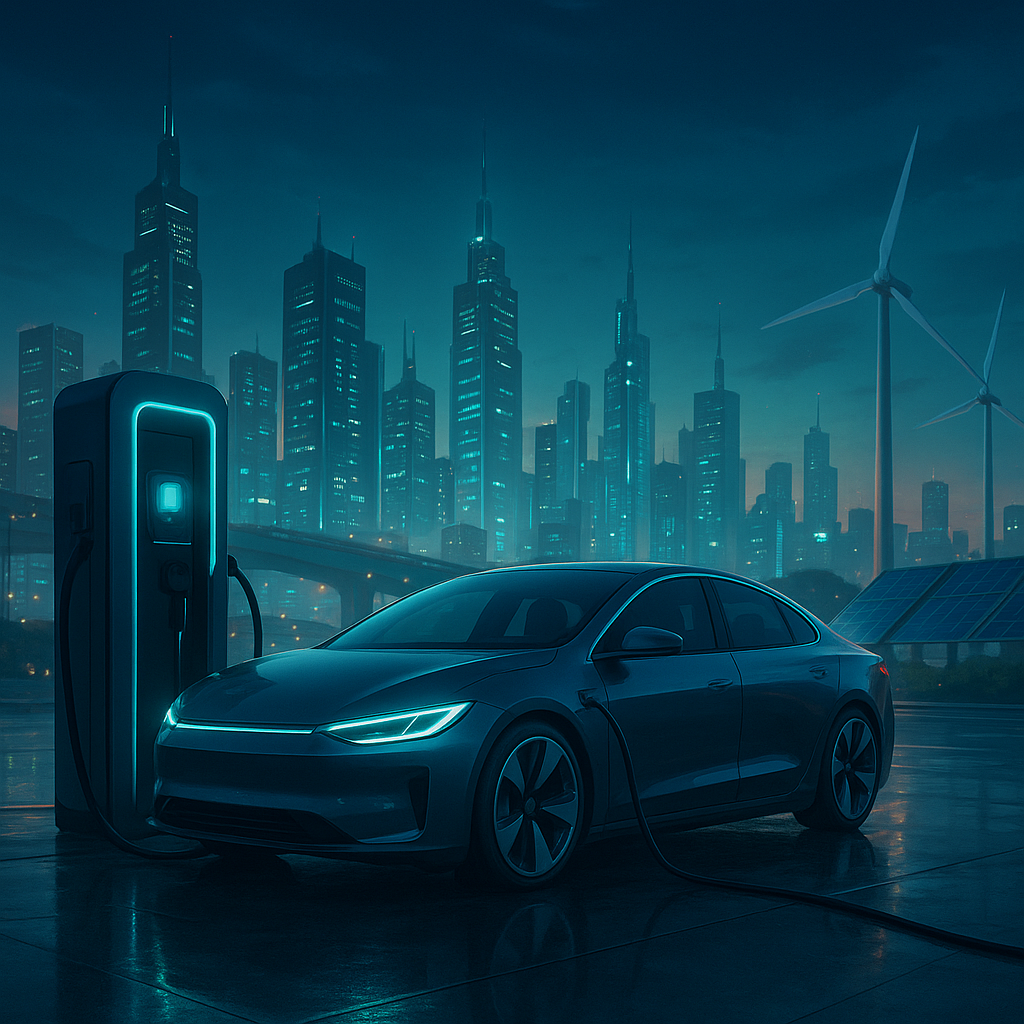
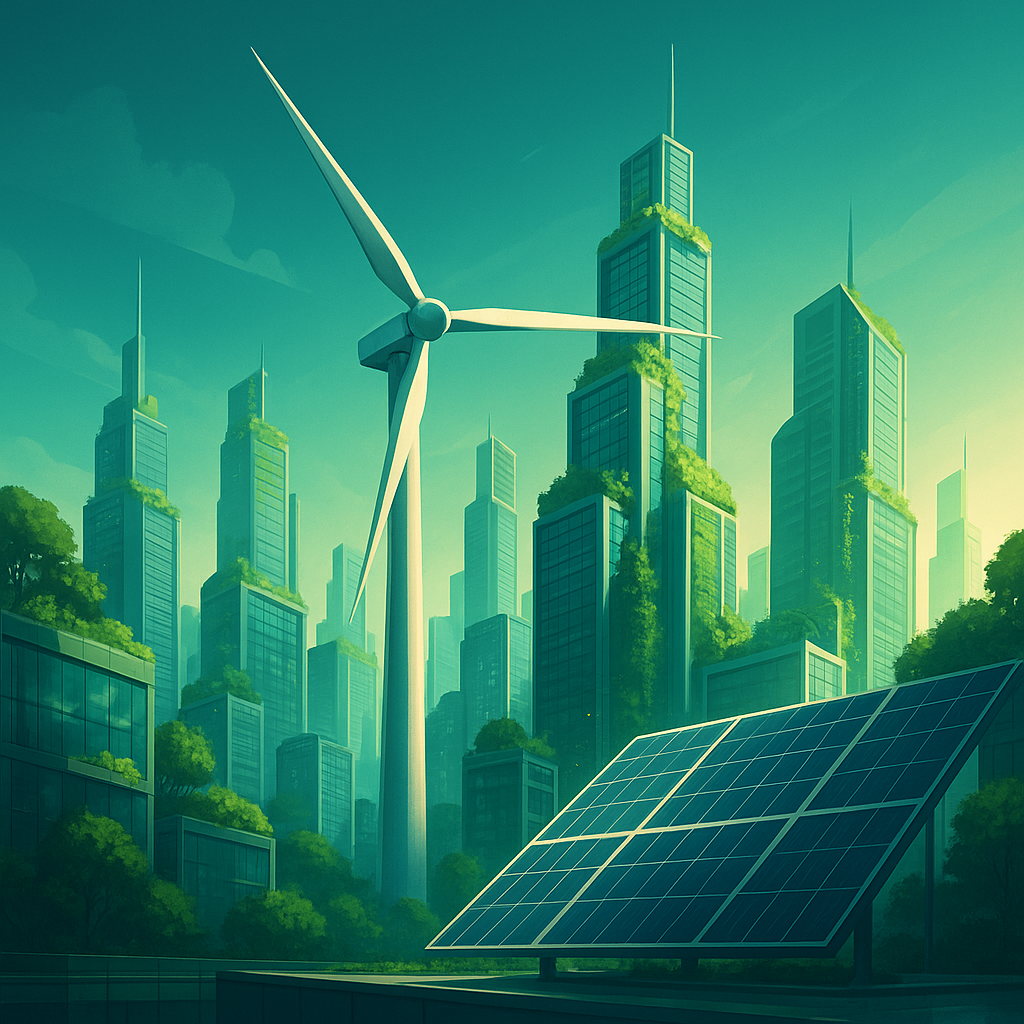
In early 2026, a remarkable milestone was quietly reached. Renewable energy sources supplied over 45% of global electricity generation for the first time, according to reports from the International Energy Agency (IEA). This surge marks a pivotal moment in the transition towards sustainable energy systems, fueled largely by advances in green technology. While headlines often focus on electric vehicles or solar farms, the true narrative is one of a broader and deeper transformation across industries, economies, and societies.
Imagine a vast wind farm off the coast of Denmark, where state-of-the-art turbines with adaptive blade technology adjust in real-time to wind conditions, maximizing output while minimizing environmental disruption. Or consider a smart city in Singapore utilizing AI-driven microgrids that dynamically balance supply and demand, reducing waste and carbon footprint. These scenes exemplify the evolving landscape of green tech, where innovation merges with sustainability imperatives.
This article explores the multifaceted evolution of green technology—from its roots and core dynamics to the breakthroughs shaping 2026 and beyond. It draws on data from leading institutions, expert perspectives, and case studies to unpack how this quiet revolution is reshaping the world’s approach to sustainability.
Tracing the Roots: How Green Tech Emerged and Evolved
The green technology movement did not materialize overnight. Its genesis traces back to the energy crises of the 1970s, when soaring oil prices and environmental degradation prompted governments and scientists to seek alternative energy sources and cleaner industrial processes. Early innovations focused on solar photovoltaic cells, wind turbines, and biofuels, albeit at high costs and limited scale.
Over the decades, technological advances combined with policy frameworks like the Kyoto Protocol and later the Paris Agreement, accelerated the adoption and refinement of green technologies. By the 2010s, breakthroughs in battery chemistry, materials science, and digitalization helped reduce costs dramatically, making renewables more competitive with fossil fuels.
Simultaneously, the concept of circular economy gained traction, emphasizing waste reduction, resource efficiency, and lifecycle thinking. Green tech began encompassing not just energy generation but also sustainable agriculture, water management, and carbon capture.
The last half-decade, particularly from 2020 to 2025, witnessed an unprecedented convergence of AI, IoT, and advanced manufacturing with green technologies. This synergy enabled smarter grids, precision farming, and novel carbon sequestration methods, setting the stage for the current wave of innovation driving the sector in 2026.
Core Innovations Driving Green Tech’s 2026 Momentum
Today, green technology is a mosaic of interconnected advances spanning multiple domains. A few key areas illustrate the sector’s dynamism:
- Next-Generation Renewable Energy: Offshore wind capacity has doubled since 2022, with floating turbines deployed in deep waters previously inaccessible. Enhanced perovskite-based solar cells now achieve efficiencies exceeding 30%, significantly higher than traditional silicon panels.
- Energy Storage Breakthroughs: Solid-state batteries and flow batteries have moved from lab prototypes to commercial-scale deployments, improving energy density, safety, and longevity. Grid-scale storage solutions enable better integration of intermittent renewables.
- Green Hydrogen Production: Electrolyzers powered by renewables produce hydrogen at record-low costs, unlocking applications in heavy industry, shipping, and aviation. New catalyst materials have increased efficiency while reducing reliance on rare metals.
- Carbon Capture and Utilization: Advanced direct air capture (DAC) facilities now operate at gigaton scale. Captured CO2 is being converted into chemicals, building materials, and synthetic fuels, turning waste into resources.
- Smart Infrastructure and Digital Twins: Cities and factories leverage AI-powered digital twins to optimize energy use, reduce emissions, and plan sustainable expansions with unprecedented precision.
These technologies are underpinned by robust financing mechanisms, including green bonds surpassing $2 trillion in issuance globally, and public-private partnerships incentivizing rapid scale-up.
“The integration of AI with renewable technologies marks a paradigm shift, enabling us to harness energy and resources more efficiently than ever imagined,” says Dr. Helena Ruiz, Chief Scientist at the Global Green Energy Consortium.
2026 Developments: What’s Shaping Green Tech This Year?
The year 2026 is witnessing several landmark developments that signal green tech’s growing maturity and influence:
- Policy Acceleration: Governments worldwide are intensifying climate policies. The European Union’s Green Deal 2.0, launched mid-2026, mandates 80% renewable energy by 2035 and stricter emissions standards for industry.
- Corporate Commitments: Major corporations like Tesla, Siemens, and Samsung have doubled investments in R&D for green technologies, with a combined $150 billion earmarked for sustainable innovations in the next five years.
- Global Green Tech Hubs: New innovation clusters have emerged in Southeast Asia and Africa, fueled by local talent and investment, expanding the geographic diversity of green tech development.
- Energy Equity Focus: Technologies designed to serve underserved and rural communities are scaling up, addressing energy access disparities through mini-grids and off-grid solar solutions.
- Integration of AI and Big Data: AI models now predict energy demand, optimize supply chains, and improve material recycling rates in real time, driving efficiency gains across sectors.
These trends underscore a shift from isolated technology pilots to systemic adoption impacting global energy, transport, and industrial ecosystems.
“2026 is not just about new gadgets or green projects—it’s the year green tech became foundational to economic resilience and social equity,” remarks Anil Mehta, Sustainability Lead at the World Economic Forum.
Real-World Impact: Case Studies of Green Tech Transformations
Examining tangible examples reveals the breadth and depth of green tech’s influence:
- Denmark’s Offshore Wind Expansion: The Hornsea 3 project, operational since early 2026, adds 2.5 GW of offshore wind capacity, powering 4 million homes. Its floating turbine design minimizes seabed disruption and can be relocated as needed.
- India’s Solar Microgrid Revolution: The SolarShakti initiative deploys over 10,000 solar microgrids in rural areas, providing reliable, affordable electricity to 25 million people and enabling local enterprises.
- California’s Green Hydrogen Transit: Los Angeles Metro has transitioned 40% of its bus fleet to green hydrogen by mid-2026, reducing urban air pollution and greenhouse gas emissions.
- Carbon Capture in Canada: The Alberta Carbon Hub’s DAC facility captures 1.2 million tons of CO2 annually, converting it into synthetic fuels and commercial-grade plastics, creating a circular carbon economy.
These examples illustrate how green technology is not theoretical but delivering measurable environmental and social benefits on multiple continents.
For those interested in the long-term implications and opportunities of green tech innovation, Green Tech’s Quiet Revolution offers an in-depth exploration. Additionally, Why Green Tech Is the Key to Unlocking a Sustainable Future provides strategic insights into policy and corporate roles shaping outcomes.
Looking Ahead: Challenges and Opportunities on the Green Tech Horizon
Despite impressive progress, green technology faces complex challenges that will define its trajectory over the next decade:
- Supply Chain Sustainability: Critical minerals like lithium, cobalt, and rare earths remain bottlenecks. Responsible mining and recycling innovations will be essential to avoid new environmental harms.
- Infrastructure Modernization: Aging grids and transport networks require massive upgrades to accommodate distributed energy resources and electrification.
- Regulatory Harmonization: Differing national standards and policies complicate global scaling of technologies and investments.
- Social Inclusion: Ensuring equitable access to green technologies and benefits remains a priority to prevent widening socioeconomic gaps.
- Technological Integration: Managing interoperability among diverse green tech solutions demands robust digital frameworks and cybersecurity measures.
Opportunities abound for innovators, investors, and policymakers willing to collaborate across sectors. Emerging areas such as bio-inspired materials, next-gen nuclear fusion, and AI-enabled climate modeling promise further leaps.
“The future of green tech hinges not only on invention but on integration—melding technology, policy, and communities for lasting impact,” states Dr. Lina Torres, lead strategist at the International Renewable Energy Agency.
For readers embarking on their engagement with sustainable innovation, resources like Starting Your Journey in Green Tech offer practical guidance to make meaningful contributions.
Ultimately, green technology’s silent surge is reshaping how humanity harnesses energy, manages resources, and envisions prosperity. As 2026 unfolds, the convergence of cutting-edge science with bold ambition signals a hopeful path toward a resilient and sustainable future.