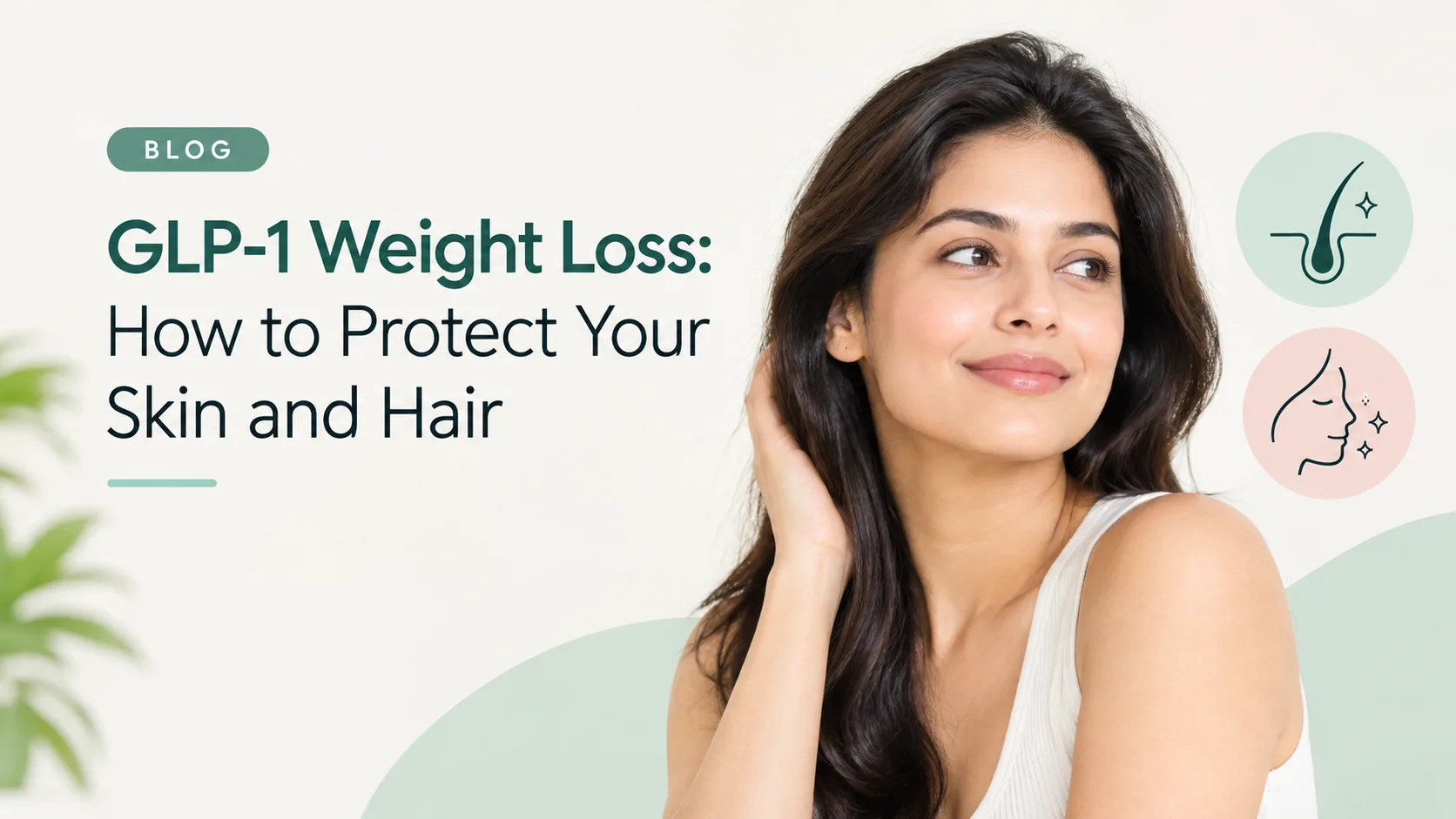
GLP-1-based treatments have changed the approach to medical weight management. Medications such as semaglutide and tirzepatide can help eligible patients achieve meaningful weight loss by reducing appetite, improving metabolic regulation and increasing feelings of fullness. However, significant changes in body weight and food intake can also affect the skin and hair.
Some people using GLP-1 medications notice increased hair shedding, dry skin, changes in facial volume or loose skin during their weight-loss journey. These changes are not necessarily caused directly by the medication. In many cases, rapid weight loss, reduced calorie intake and nutritional deficiencies may play an important role.
The good news is that thoughtful nutrition, gradual weight management and appropriate dermatological care can help support healthy skin and hair throughout treatment.
Why Can GLP-1 Weight Loss Affect Hair?
Hair follicles are sensitive to significant changes within the body. Rapid weight loss can act as a physiological stressor and may trigger a temporary form of shedding called telogen effluvium.
Telogen effluvium occurs when more hair follicles than usual enter the resting phase of the hair-growth cycle. Increased shedding may become noticeable several weeks or months after the triggering event. Current evidence suggests that rapid weight loss and reduced nutritional intake are important contributors to hair shedding reported during GLP-1 therapy, although researchers are still investigating whether GLP-1 medications themselves have a direct effect on hair follicles.
Reduced appetite can also make it difficult to consume enough protein, iron, zinc, vitamin D, vitamin B12 and other nutrients required for normal hair growth.
1. Prioritize Protein and Nutrient-Dense Foods
One of the most important steps during medical weight loss is maintaining adequate nutrition.
Because GLP-1 injection can significantly reduce appetite, some patients may unintentionally eat too little. Instead of focusing only on reducing calories, meals should contain nutrient-dense foods that provide protein, vegetables, fruits, whole grains and healthy fats.
Protein is particularly important because it supports muscle maintenance and provides amino acids needed for hair structure. Nutrition should be individualized according to factors such as body weight, activity level, age, medical conditions and treatment goals.
If appetite is significantly reduced, a registered dietitian or treating physician can help create a practical meal plan that meets nutritional requirements without compromising the weight-loss programme.
2. Avoid Unnecessarily Rapid Weight Loss
Losing weight is the primary goal of treatment, but faster is not always better.
Very rapid weight loss can place additional physiological stress on the body and may increase the likelihood of temporary hair shedding. A structured treatment plan should therefore focus on sustainable progress rather than aggressive calorie restriction.
Do not independently increase your medication dose or combine GLP-1 treatment with extreme dieting. Dose adjustments should always be made by the prescribing healthcare professional.
3. Build a Simple Skin Barrier Routine
Changes in eating and drinking habits during GLP-1 treatment can sometimes contribute to dry or sensitive skin. A simple skincare routine can help maintain the skin barrier.
Use a gentle cleanser instead of harsh soaps or scrubs. Follow with a moisturizer containing barrier-supporting ingredients such as ceramides. Apply moisturizer while the skin is slightly damp to help retain hydration.
If your skin becomes unusually dry, irritated or flaky, avoid introducing several strong active ingredients at once. Products containing retinoids, exfoliating acids or other potent ingredients may need to be reduced temporarily depending on your skin's tolerance.
4. Never Skip Sun Protection
Sun exposure remains an important contributor to pigmentation, premature skin aging and collagen damage, regardless of whether you are taking a GLP-1 medication.
Apply a broad-spectrum sunscreen with SPF 30 or higher to exposed skin and reapply when appropriate. Protective clothing, shade and hats can provide additional protection.
This becomes particularly important if facial volume changes or skin laxity become noticeable during weight loss, as maintaining good sun protection supports overall skin health.
5. Pay Attention to Facial Volume and Skin Laxity
Substantial weight loss can reduce fat volume beneath the skin, including in the face. Some people may notice changes such as reduced cheek fullness, more visible wrinkles or looser-looking skin. This is sometimes referred to as "Ozempic face," although similar changes can occur after substantial weight loss from other causes.
The appropriate response depends on the individual's age, skin quality, amount of weight lost and facial anatomy. Dermatologists may discuss options such as skin-tightening procedures, laser treatments, biostimulatory treatments or fillers when appropriate.
Treatment should be individualized rather than based solely on the amount of weight lost.
6. Monitor Hair Shedding Early
Do not ignore persistent or significant hair loss.
Temporary telogen effluvium often improves after the underlying trigger is addressed and the body stabilizes. However, hair shedding can have many causes, including iron deficiency, thyroid disorders, androgenetic alopecia and other scalp conditions.
A dermatologist can determine whether the shedding is related to recent weight loss or whether another condition requires treatment. Depending on the clinical presentation, blood tests or specific hair-loss treatments may be recommended.
7. Stay Hydrated and Maintain Healthy Lifestyle Habits
Adequate fluid intake is another simple but important part of maintaining healthy skin during weight loss. Some people naturally drink less because their appetite and overall intake change during GLP-1 therapy.
Along with hydration and balanced nutrition, regular physical activity, adequate sleep and resistance exercise can support muscle preservation during weight loss. Recent expert consensus also emphasizes adequate protein and progressive resistance exercise during incretin-based treatment.
When Should You See a Dermatologist?
Seek professional advice if you experience sudden or persistent hair loss, significant scalp changes, severe dryness, unexplained rashes, worsening acne, persistent irritation or noticeable changes in facial appearance.
A dermatologist can assess your skin and hair before and during GLP-1 treatment and identify problems that may require targeted intervention.
The Bottom Line
GLP-1 treatment can be an effective component of medically supervised weight management, but protecting your skin and hair should be part of the overall treatment strategy. Prioritize adequate nutrition, especially protein and essential micronutrients, avoid extreme calorie restriction, maintain a consistent skincare routine, protect your skin from the sun and monitor changes in hair growth.
Most importantly, GLP-1 treatment should be medically supervised. If you develop significant skin or hair changes, speak with your prescribing clinician and a qualified dermatologist rather than stopping or changing your medication on your own.