A person opens the refrigerator at lunchtime, sees plenty of food, and still cannot imagine eating a full plate. Breakfast was only a few bites. Coffee suddenly feels too strong. A meal that once looked normal now seems enormous.
GLP-1 medications may reduce appetite and delay gastric emptying, while nausea, constipation, vomiting, or abdominal discomfort can occur. FDA prescribing information lists gastrointestinal effects among common reactions associated with semaglutide and tirzepatide products.
A GLP-1 meal plan should not force large meals or chase perfection. It should make each eating opportunity useful and comfortable. With personalized meal planning, smaller appetites can be supported by nutrient-dense food and choices that fit real life.
Key Takeaways
- Start with protein, then add produce, fiber-rich carbohydrates, and a small amount of fat.
- Choose smaller meals and stop before uncomfortable fullness develops.
- Adjust texture, temperature, and seasoning when nausea or food aversion appears.
- Seek medical guidance when symptoms prevent adequate food or fluid intake.
Why Does Meal Planning Change on GLP-1 Medication?
Conventional plans assume reliable hunger, familiar portions, and predictable preferences. Those assumptions may no longer hold. Someone may feel satisfied after a few bites, dislike cooking smells, forget meals, or tolerate food one week and not the next.
A better GLP-1 diet plan identifies tolerated foods, prepares low-effort backups, and allows adjustments without treating change as failure.
The wider need for sustainable nutrition support is substantial. According to the U.S. Centers for Disease Control and Prevention, adult obesity prevalence was 40.3% during August 2021 through August 2023. That statistic does not determine any individual’s needs, but it shows why practical, long-term food guidance matters.
What Should a Balanced GLP-1 Meal Plan Include?
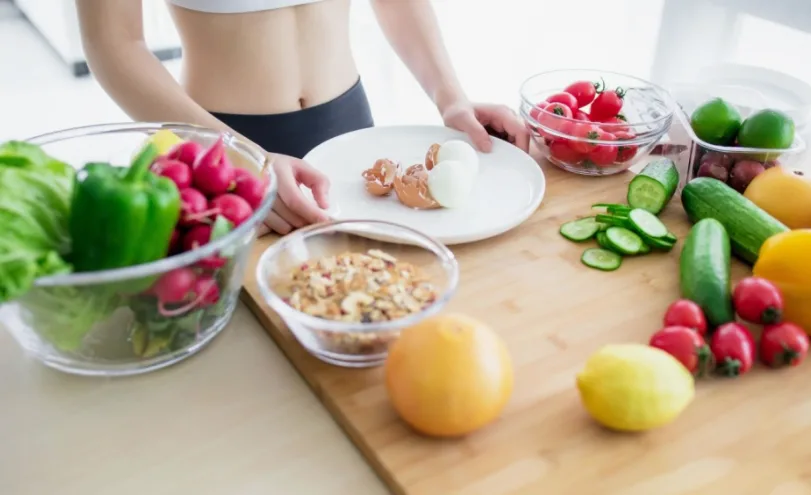
A useful plate can be remembered through the P-F-F-H method: protein, fiber, fat, and hydration. It is not a prescription or fixed formula. It is a simple way to prioritize nutrition when appetite is limited.
- Protein: Begin with eggs, Greek yogurt, cottage cheese, fish, poultry, tofu, beans, or lentils.
- Fiber: Add vegetables, fruit, oats, whole grains, beans, or seeds in amounts that feel comfortable.
- Fat: Include a modest serving of avocado, nuts, seeds, olive oil, or nut butter.
- Hydration: Sip fluids consistently between meals rather than drinking a large amount with food.
Protein-first eating is useful because nutrient priorities must fit within smaller portions. A multidisciplinary advisory published through the National Institutes of Health highlights protein-rich foods, minimally processed foods, hydration, and individualized support during GLP-1 therapy.
Personalized meal planning should also reflect allergies, culture, blood-sugar goals, digestive comfort, budget, and clinical guidance.
Foods That Feel Lighter and More Manageable
The best foods to eat on GLP-1 are not necessarily special products. They are familiar foods that provide useful nutrition without requiring a large volume or complicated preparation.
NeedPractical choicesWhy they may helpCommon mistakeLow appetiteGreek yogurt, eggs, cottage cheese, tofu, shredded chickenProtein in a manageable portionWaiting for strong hungerNauseaChilled yogurt, banana, rice, toast, mild soupLower aroma and gentle textureChoosing greasy or strongly spiced foodBusy dayTuna pouch, boiled eggs, fruit, ready vegetablesMinimal preparationSkipping meals because cooking feels difficultConstipation tendencyOats, berries, lentils, vegetables, fluidsAdds fiber and hydrationIncreasing fiber too quicklyDining outGrilled protein, soup, vegetables, shared entréeEasier portion controlOrdering a large, rich meal automaticallyThese are examples, not universal rules. One person may tolerate warm soup, while another prefers cold food. One may enjoy beans, while another feels bloated after them. GLP-1 friendly foods are ultimately the foods that support nutrition and are consistently tolerated.
As Michael Pollan wrote,
“Eat food. Not too much. Mostly plants.”
The value of that line is simplicity, but people using these medications may need one addition: make the food count when appetite is quiet.
How Can Someone Build Meals Without Overthinking Them?
A practical meal can be assembled in three moves:
- Choose one protein that feels tolerable.
- Add one produce item or gentle fiber source.
- Add a small energy source, such as whole-grain toast, rice, potatoes, avocado, or nuts.
Breakfast might be yogurt with berries and oats. Lunch could be chicken with rice and cucumber. Dinner might be fish, potato, and cooked vegetables.
This structure makes high-protein GLP-1 meals easier without complicated tracking. Through personalized meal planning, it can support vegetarian eating, gluten-free choices, familiar cuisines, family dinners, and available ingredients.
What Should Someone Eat When Nausea Appears?
When food feels unappealing, the first goal is usually comfort and hydration, followed by gentle nutrition. Small amounts may be easier than a standard meal. Cold or room-temperature food can reduce exposure to cooking aromas, while bland options may feel less intense.
Helpful possibilities include plain yogurt, a banana, dry toast, rice, applesauce, mild soup, a simple smoothie, or a small serving of eggs. Fatty, fried, heavily spiced, or very large meals may feel harder to tolerate for some people.
The do-this-not-that rule is simple:
- Do eat slowly; do not race through a meal before fullness registers.
- Do prepare a backup option; do not rely on motivation during a difficult day.
- Do sip fluids regularly; do not wait until thirst becomes intense.
- Do contact the clinical team for persistent or severe symptoms; do not change medication dosing independently.
What to eat on Ozempic, a Wegovy meal plan, and a Mounjaro diet plan all require individual clinical context. Medication indication, dose, diabetes treatment, kidney health, gastrointestinal symptoms, and other prescriptions can affect what is appropriate.
From Skipped Meals to a Smarter Eating Routine
Consider a professional whose old routine was coffee, no breakfast, a late restaurant lunch, and a large dinner. After starting treatment, that pattern leads to fatigue and uncomfortable fullness.
A workable alternative uses a small morning yogurt, a prepacked lunch, an afternoon snack, and a modest dinner. A backup stays in the work bag. This is the strength of personalized meal planning: it responds to the day someone is actually having.
Common GLP-1 Meal Planning Mistakes
Common mistakes include ignoring nutrition because hunger is low, eating previous portion sizes, drinking too little, increasing fiber abruptly, and relying on one food until taste fatigue develops. A useful GLP-1 meal plan needs three options: a regular meal, a smaller version, and a low-effort backup.
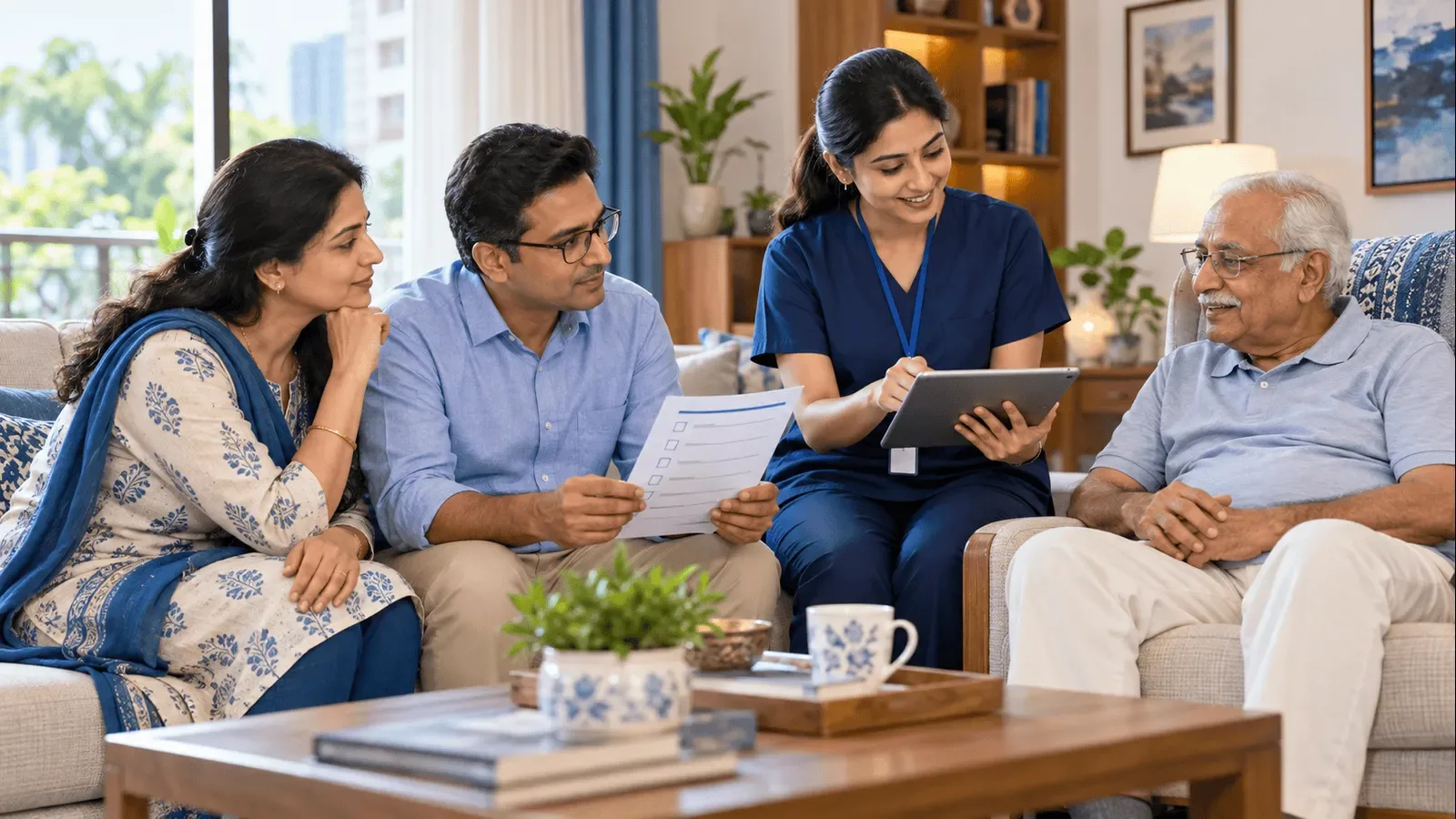
Medical support matters as well. Persistent vomiting, inability to keep fluids down, severe or worsening abdominal pain, signs of dehydration, or symptoms of low blood sugar require prompt professional guidance. People using insulin or medicines that stimulate insulin release should be especially attentive to their clinician’s instructions because medication combinations can change hypoglycemia risk.
Conclusion: Your Next Step to Easier, Healthier Eating
Eating during GLP-1 treatment is less about following a flawless menu and more about building a reliable response to changing appetite. Protein-first choices, comfortable portions, steady hydration, gentle fiber, and backup meals can reduce daily confusion. The most sustainable approach remains flexible enough to accommodate work, family meals, dining out, cravings, cultural preferences, and challenging symptom days.
A thoughtful GLP-1 meal plan should support the person rather than control them. Effective personalized meal planning should also complement, not replace, guidance from a qualified prescriber or registered dietitian. For practical, personalized nutrition support designed around real-life needs, explore My Perfect Meals.
Frequently Asked Questions
1. What makes a good GLP-1 meal plan?
A good plan prioritizes tolerated protein, produce, fiber, hydration, smaller portions, and flexible alternatives for busy or low-appetite days.
2. What are the best practices for what to eat on Ozempic?
Start with a small protein-focused meal, eat slowly, include fluids between meals, and adjust food texture or temperature when nausea appears.
3. How can someone create a Wegovy meal plan?
Choose repeatable breakfasts, mix-and-match lunch ingredients, simple dinners, and one backup food for days when cooking or eating feels difficult.
4. When should someone hire a professional for a Mounjaro diet plan?
Professional guidance is valuable when the person has diabetes, kidney concerns, food allergies, persistent digestive symptoms, or difficulty meeting nutrition needs.
5. What are the best GLP-1 friendly foods for low appetite?
Greek yogurt, eggs, cottage cheese, tofu, fish, mild soups, bananas, rice, oats, and smoothies may be practical, depending on individual tolerance.