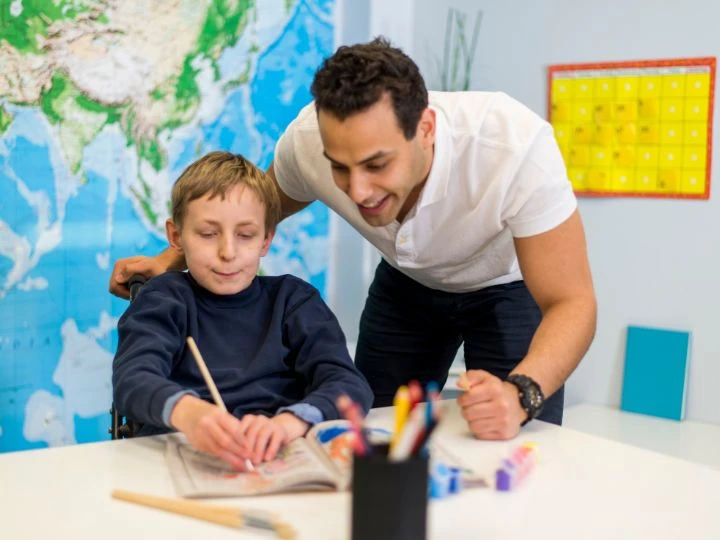
Global developmental delay (GDD) is a condition that affects a child’s ability to reach milestones in multiple areas of development, such as speech, motor skills, social interaction, and cognitive functioning. Early recognition and intervention are crucial, and global developmental delay therapy plays a pivotal role in helping children achieve their full potential. In Australia, a range of professionals offer tailored strategies to support both children and their families, ensuring that each child receives the guidance they need for better long-term outcomes.
Understanding Global Developmental Delay
Global developmental delay is not a single condition; rather, it is a term used when a child shows significant delays in two or more developmental domains. These delays can manifest as:
- Limited speech or language development
- Difficulties with movement or coordination
- Challenges in learning new skills or problem-solving
- Social or behavioural difficulties
Children with GDD often require specialised support to help bridge developmental gaps. While each child’s needs are unique, early intervention can significantly improve their overall progress and quality of life.
The Importance of Early Intervention
Early intervention is a key factor in the effectiveness of global developmental delay therapy. The brain of a young child is highly adaptable, and timely support can encourage neural pathways that enhance learning and development. Some of the benefits of early therapy include:
- Improved communication skills
- Enhanced motor abilities
- Better social interaction and emotional regulation
- Increased confidence and independence
Parents and caregivers play an essential role by creating a supportive environment at home & collaborating closely with professionals. Consistency and engagement at an early age can make a noticeable difference in developmental outcomes.
Key Approaches in Global Developmental Delay Therapy
Global developmental delay therapy encompasses a variety of methods designed to address the specific needs of each child. Professionals often create personalised plans that combine multiple approaches for maximum impact. Some common strategies include:
1. Speech and Language Support
Communication delays are one of the most common challenges for children with GDD. Speech and language support focuses on:
- Developing vocabulary and sentence structure
- Encouraging verbal and non-verbal communication
- Practising listening and comprehension skills
Professionals use interactive games, storytelling, and routine-based exercises to make learning engaging and effective.
2. Occupational Therapy
Occupational therapy helps children improve their daily living skills, fine motor abilities, and sensory processing. Activities may include:
- Hand-eye coordination exercises
- Self-care routines such as dressing and feeding
- Sensory integration tasks to manage responses to stimuli
These exercises are designed to build confidence and independence, enabling children to participate more fully in everyday life.
3. Physical Therapy
Motor delays can affect a child’s balance, coordination, and mobility. Physical therapy focuses on:
- Strengthening muscles
- Enhancing gross motor skills like walking, running, and jumping
- Promoting posture and balance
By incorporating playful activities, children can improve their physical skills while enjoying the process.
4. Behavioural and Developmental Support
Some children with GDD experience behavioural challenges, which can affect learning and social interaction. Behavioural and developmental strategies aim to:
- Encourage positive behaviour through reinforcement
- Teach coping mechanisms for frustration or anxiety
- Support social skills and peer interactions
These interventions help children navigate both school and social environments more successfully.
Tailoring Therapy to Each Child
Every child with GDD is different, and therapy must be customised to meet individual needs. Professionals typically conduct thorough assessments to identify strengths and areas requiring support. From there, a plan is developed in collaboration with the family, outlining short-term goals and long-term objectives. Regular reviews ensure that therapy remains effective and adaptable as the child grows.
Supporting Families Through the Process
Families are at the heart of successful developmental support. Professionals provide guidance on:
- Implementing therapy techniques at home
- Monitoring progress and setting realistic expectations
- Connecting with community resources and support groups
By empowering families with knowledge and practical strategies, children receive consistent reinforcement, which enhances the benefits of therapy.
Measuring Progress and Success
Progress in global developmental delay therapy is measured in multiple ways. Professionals track improvements in:
- Communication and language skills
- Motor coordination and physical abilities
- Behavioural responses and social interactions
- Cognitive and problem-solving capabilities
Even small milestones are significant, reflecting the child’s growth and the effectiveness of tailored interventions.
Summary
Global developmental delay therapy plays an essential role in supporting child development. By addressing delays across communication, motor skills, behaviour, and social interaction, children can achieve meaningful progress and greater independence. Early intervention, personalised plans, and active family involvement are key components of successful therapy. For families seeking support, treatment for global developmental delay provides practical strategies and structured guidance that can make a lasting impact. With professional assistance and consistent engagement, children with GDD can thrive and reach their developmental potential.