Introduction
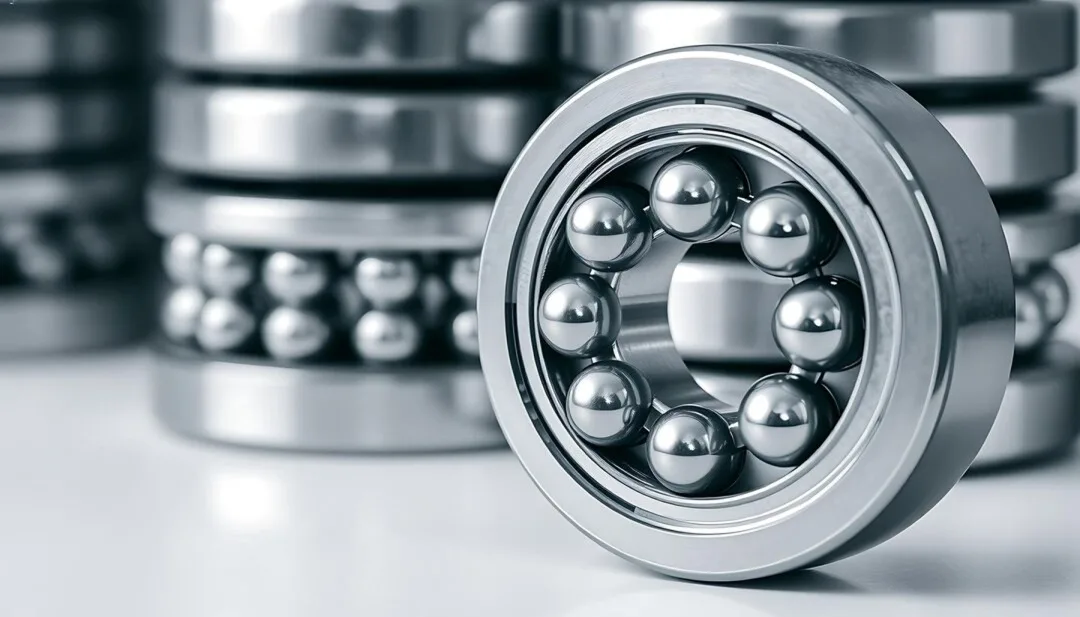
Manufacturing is becoming more connected, competitive, and technology-driven than ever before. Whether it's industrial machinery, automotive systems, agricultural equipment, or renewable energy applications, the demand for reliable mechanical components continues to grow. Among these components, bearings remain essential to ensuring smooth operation, reducing friction, and extending the life of equipment.
As global supply chains evolve, manufacturers are rethinking how they source critical components. Instead of focusing solely on price or availability, businesses are placing greater value on quality, technical expertise, and long-term supplier relationships. These changing priorities are reshaping the bearing industry and influencing how companies approach procurement in 2026.
The Global Bearing Market Is Evolving
Industrial growth, automation, and digital manufacturing are creating new opportunities for bearing manufacturers and suppliers. At the same time, rising expectations around product quality and delivery performance are encouraging companies to strengthen their sourcing strategies.
Several trends are driving this transformation:
- Expansion of automated manufacturing facilities
- Increased investment in industrial infrastructure
- Higher demand for precision-engineered components
- Greater emphasis on supply chain resilience
- Rising adoption of customized engineering solutions
Rather than relying on multiple short-term suppliers, many organizations are building long-term partnerships with manufacturers that understand their production requirements and can maintain consistent quality over time.
Why Supplier Relationships Matter More Than Ever
A bearing may be a relatively small component, but its performance directly influences the efficiency and reliability of the equipment in which it operates. For this reason, manufacturers are becoming more selective when choosing supply partners.
A dependable supplier offers more than products. They provide manufacturing expertise, consistent production standards, technical guidance, and the flexibility to support changing business needs.
Long-term supplier relationships also help manufacturers reduce operational risks by improving communication, ensuring predictable lead times, and maintaining product consistency across multiple production cycles.
Meeting the Needs of Modern Equipment Manufacturing
Today's industrial equipment is designed for higher efficiency, longer operating life, and greater precision. These requirements often demand bearing solutions that match specific operating conditions rather than standard catalog specifications.
For companies involved in OEM manufacturing, selecting components that align with design requirements is an important part of delivering reliable finished products. Bearings designed for unique applications can improve performance, reduce maintenance requirements, and support long-term equipment reliability.
As machinery becomes more advanced, collaboration between engineering teams and bearing manufacturers is becoming an increasingly valuable part of product development.
The Growing Role of Customization
No two industrial applications are exactly alike. Factors such as operating speed, environmental conditions, load capacity, lubrication methods, and installation space all influence bearing selection.
Because of this, manufacturers are increasingly seeking suppliers capable of supporting application-specific requirements.
Customized bearing solutions can help achieve:
- Improved operational efficiency
- Better load distribution
- Reduced maintenance intervals
- Enhanced durability
- Greater compatibility with specialized equipment
Instead of adapting machinery to fit standard components, many businesses now prefer components that are developed around the needs of their applications.
Technology Is Transforming Bearing Manufacturing
Modern bearing production has advanced significantly in recent years. Manufacturers are investing in precision machining, automated inspection systems, and improved material technologies to meet increasingly demanding industrial standards.
These advancements allow bearing manufacturers to produce components with tighter tolerances, better wear resistance, and more consistent performance.
Digital quality control systems and modern manufacturing processes are also helping suppliers maintain higher production consistency while reducing defects and improving traceability.
Industries Driving Demand
The demand for high-quality bearings continues to grow across a wide range of industries.
Industrial Automation
Factories adopting automated production systems require precision components capable of operating continuously with minimal maintenance.
Automotive
Vehicle manufacturers continue to prioritize durability, efficiency, and performance, increasing the need for reliable bearing solutions.
Renewable Energy
Wind turbines and other renewable energy systems rely on bearings that can perform under demanding environmental conditions for extended periods.
Heavy Equipment
Construction, mining, and agricultural machinery require bearings designed to withstand heavy loads, harsh environments, and continuous operation.
Choosing the Right Manufacturing Partner
Selecting a bearing supplier has become a strategic business decision rather than a simple purchasing activity.
Manufacturers often evaluate suppliers based on several factors, including:
- Manufacturing capability
- Product quality and consistency
- Engineering support
- Production flexibility
- Industry experience
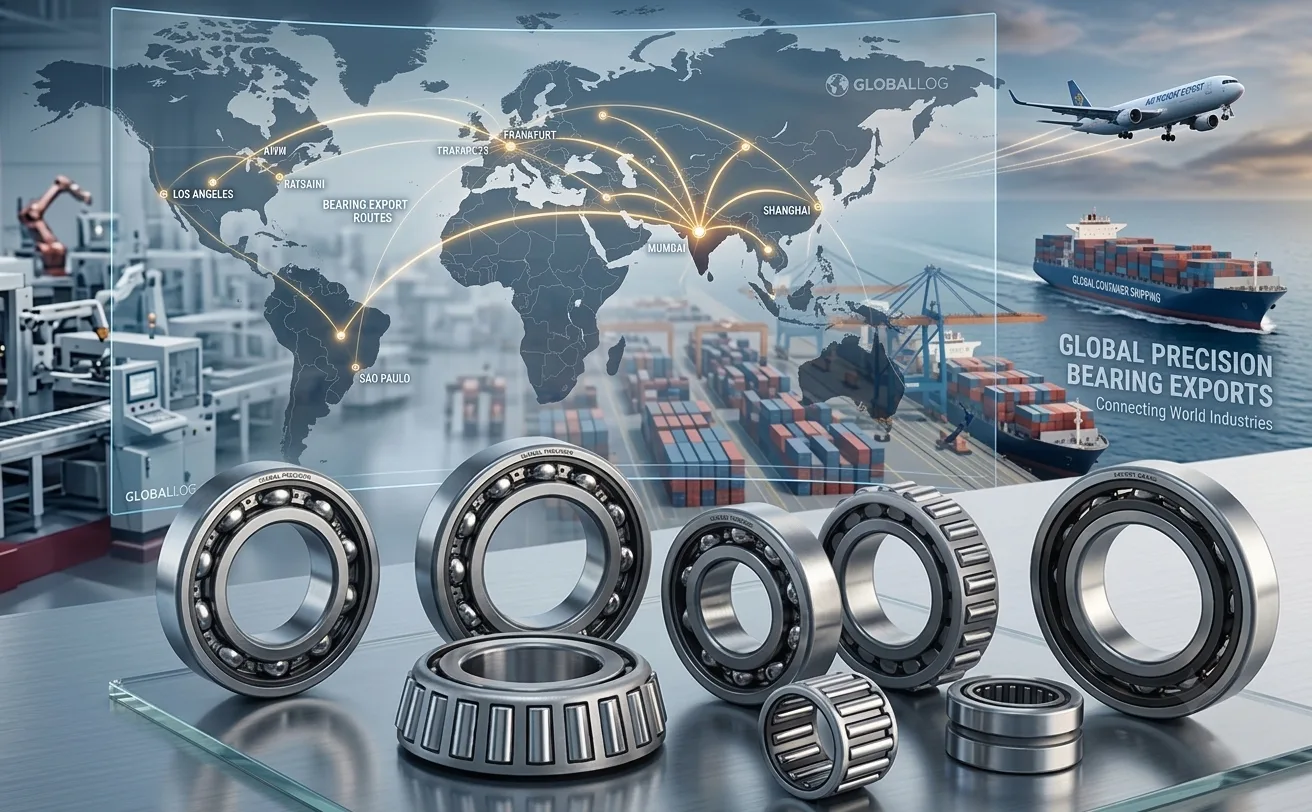
- International supply capability
For businesses developing specialized equipment, working with an experienced manufacturing partner can simplify product development and improve long-term reliability.
Looking Ahead
The future of the bearing industry will be shaped by innovation, collaboration, and stronger supply chain partnerships. As industrial equipment becomes more sophisticated, the need for reliable component manufacturers will continue to increase.
Companies that invest in long-term relationships with experienced suppliers will be better positioned to respond to market changes, improve operational efficiency, and support future product development.
Rather than viewing bearings as standard commodities, manufacturers are increasingly recognizing them as essential components that contribute to equipment performance, customer satisfaction, and overall business success.
Conclusion
Global bearing supply trends in 2026 reflect a broader shift in industrial manufacturing. Businesses are looking beyond price-driven procurement and focusing on quality, consistency, engineering expertise, and dependable supply partnerships.
For OEM manufacturers, industrial equipment producers, and engineering companies alike, choosing the right bearing manufacturing partner is an investment in long-term performance and reliability. As manufacturing continues to evolve, strong supplier relationships will remain a key factor in building resilient and competitive operations.