Modern Infrastructure Needs Better Water Management
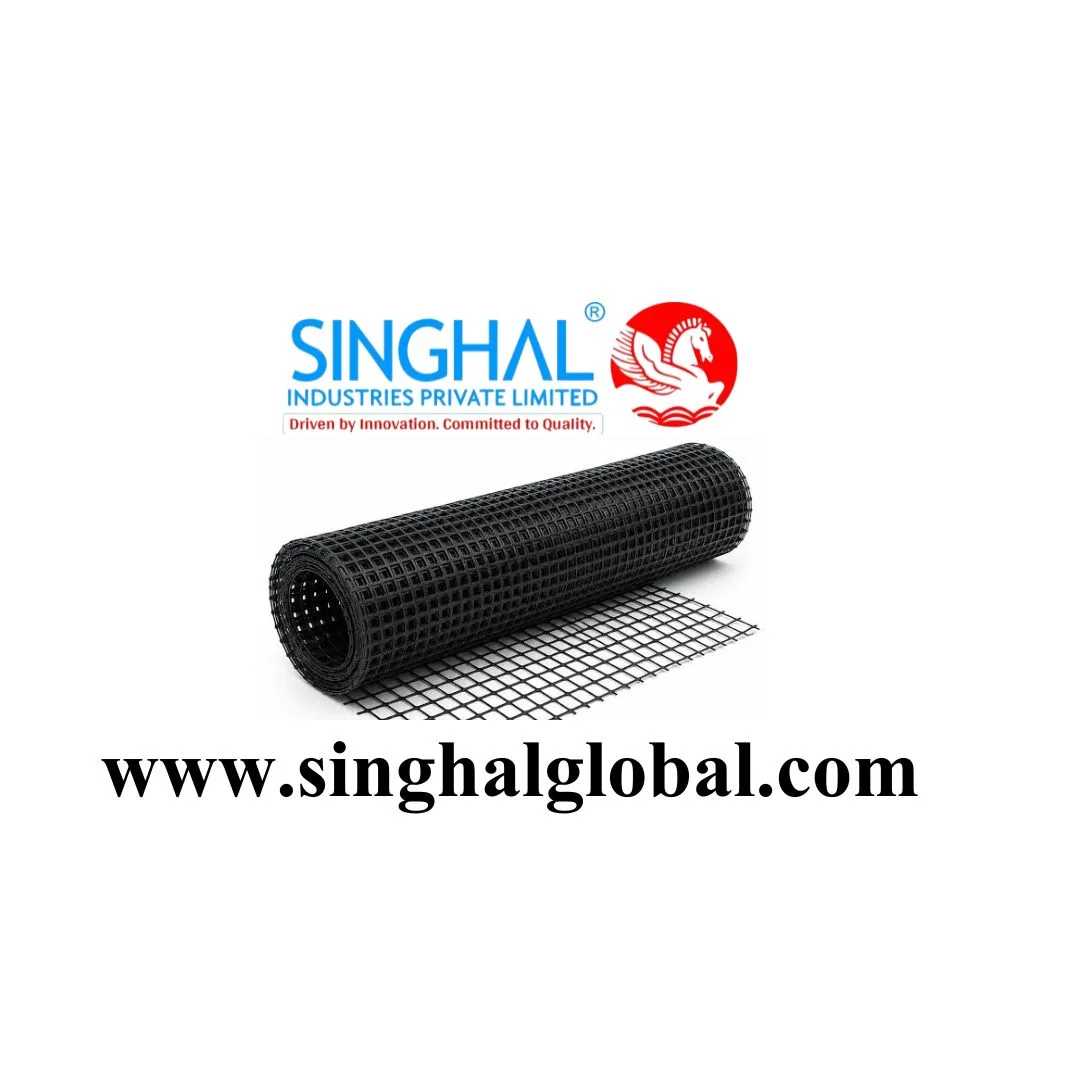
The concept of infrastructure development is not just about building roads, buildings, bridges and industries anymore. Projects are required today to deliver the intended outcomes over long periods, whilst being a relatively good steward of resources and balancing environmental imperatives. Of all factors influencing infrastructure, water is one of the most challenging to manage. Rainfall, groundwater and seepage can slowly influence soil conditions, cause additional pressure, weaken surrounding layers and create more maintenance. That is the reason drainage has become an important aspect of modern day engineering. Geonets allow engineered movement of water and other liquids through a construction. The three-dimensional configuration here has ribs from many sides that guide channels along which fluid can travel towards an appropriate collection or discharge point. It is different from common flat sheets where drainage space is reserved.
Lightweight Material Can Simplify Large-Scale Construction
Logistics is often a challenge for large infrastructure projects. Transporting materials to the site, storing them in a safe manner on site, moving them into position on site and finally installing them as per stringent specifications within time constraints. Conventional drainage systems built of significant amounts of aggregate may need even bigger dumpster-truck storage locations that often require bulky machinery. Geonet dispensed in rolls, can provide a thinner alternative for applications appropriate for engineered polymeric drainage. Its lighter weight also makes it a little easier to handle, especially when covering large surface areas. Rolls are portable, making it easier for workers to move and shape such stone without having to deal with the same bulk associated with loose stone. This can help simplifies how the site is organized and minimize the number of operations needed for some drainage installations. This show up more apparently where the venture is removed from aggregate sources or access for overwhelming transport vehicles is confined.
Selecting The Right Manufacturer And Supplier
It is recommended that geonet be purchased on the basis of project technical specifications rather than comparing prices. It is imperative for buyers to know about flow capacity needed, type of loading expected, surrounding environment conditions, thickness & type of polymer materials required, filtration layout and installation method. These needs can be compared with the respective products once these requirements are clear enough. When you have to buy Geonet Supplier Gujarat, the organizations are assessed on these parameters such as product consistency, manufacturing capability, technical documentation delivery schedule. Quality control and support services. Local supply capability can play a useful role when large quantity is needed or project schedule is tight. Likewise, If a customer is looking for a Geonet Exporter Gujarat they may be interested in international supply experience, packaging practices strict process controls on product and resource specifications and many other export handling or destination-specific requirements. The frequency with which a supplier can provide consistent material can be critical on a large (and long) project since different batches could be installed over months or years.
Installation And Quality Control Influence Long-Term Results
Even the best geonet will only function properly if it is installed correctly. Surface inspection should be done prior to installation Sharp stones, construction waste metal or other debris or unfounded areas of the facility that could tear the raw material are things to be resolved. 10) Transport and place rolls without dragging or rough handling to stop puncturing. The applicator is trained on the need to place the material in accordance with our drainage design, and that overlaps or connections must be handled per project specs. If a geotextile is attached to or placed next to the geonet, it is important that contiguity not be achieved at the expense of soil clogging drainage pathways. In particular, if a geomembrane is included, protection from puncture and damage during construction becomes critical. The paramount pragmatic concern is construction traffic. Except when the installation method approved by DRC NRs allows heavy equipment operations directly over exposed geosynthetic layers. Cover may be appropriate for land before machinery enter the space. Installation can also be affected by the weather. High winds can dominate lighter materials and rain can influence surface preparation or access for workers. Implying that quality inspections should occur throughout the process and not just in the end. Before covering the system, tears in the membrane, sections that have lifted, creases and overlaps that are incorrectly oriented should be fixed.
Conclusion
Strong structural materials are necessary but not sufficient for sustainable infrastructure. It also requires the appropriate control of water, since uncontrolled moisture will slowly deteriorate soil, foundations and earth-retaining structures, roadways, containment systems, as well as other load-bearing components. It is designed to give a pathway for engineered drainage, and Geonet offers an alternative solution that can help manage this problem. The three-dimensional design provides a series of open channels in which transport water and other liquids towards collection or discharge points. In conjunction with geotextiles and geomembranes, it complements a larger system that offers filtration, drainage, protection, and containment. However, its lightweight roll format can also provide logistical value during transport and placement on large-scale projects. In order to perform well the product, on its own, isn't enough. One of the requirements for engineers before selecting a drainage system is to ensure hydraulic needs, constraining condition and environmental condition as well soil types, compatibility and installation programs. Sourcing of Geonet Supplier Gujarat buyer should focus on the technical quality, consistent manufacturing, ability to deliver and service rather than only pricing. For those contemplating Geonet Exporter Gujarat, akin assessments on overseas supply experience and product quality can similarly be conducted. Buyers have a range of companies where they can turn to geosynthetic drainage solutions — one being Singhal Industries Private Limited.
Frequently Asked Questions
Q1. What Is Geonet And Where Is It Commonly Used?
Geonet is a 3D polymeric drainage material with interconnected pathways that together forms an open channels for the flow of water or as denser support. It finds application in roads, retaining walls, landfills, foundations / tunnels / green roofs mining facility construction/ reservoirs environmental containment.
Q2. Can Geonet Improve The Performance Of Retaining Wall Drainage?
Yes, a correctly designed geonet drainage layer can help transport water from the soil behind a remnant wall. It can address uncontrolled water accumulation and hydrostatic pressure by providing a dedicated flow pathway.
Q3. What Makes Geonet a Preferred Option For Sustainable Infrastructure Projects?
Geonet can help create environmentally conscious building through providing a highly effective drainage system inside a smaller and lightweight format material. In appropriate applications, it may even help decrease the required amount of traditional aggregate and reduce transportation and handling complexity. Proper drainage can prevent water damage and the need for maintenance from the outset.
Q4. How do you decide to purchase Geonet?
Buyers should determine drainage capacity, transmissivity at expected loads, thickness, polymer characteristics, compatibility with neighboring geosynthetics, roll dimensions, quality documentation and installation requirements.
Q5. Who is the largest manufacturers of Geonet?
Singhal Industries Private Limited can be one among the several companies that develop Geonet and other geosynthetic products but finally, one should choose the best from all based on the project-specific technical and supply requirements.