
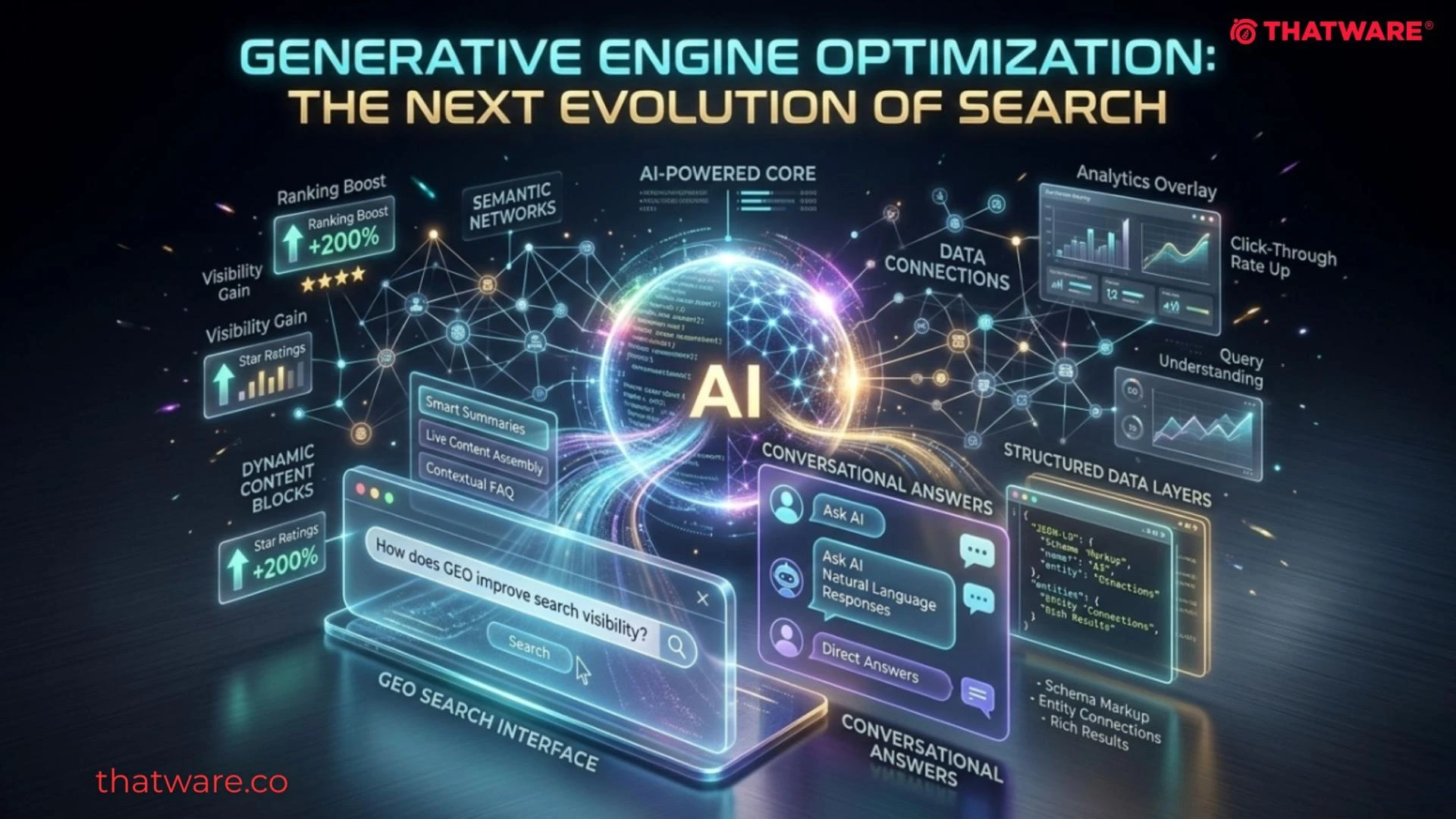
Search is evolving faster than ever. With AI-driven search engines, conversational interfaces, and machine learning reshaping how users discover information, traditional SEO alone is no longer enough. Businesses must now optimize not just for search engines, but for generative engines that interpret context, intent, and semantic meaning. This is where Generative Engine Optimization (GEO) plays a crucial role.
GEO focuses on aligning content with AI-powered algorithms that generate responses, summaries, and recommendations. By adapting to these advancements, brands can significantly increase their organic visibility, improve engagement, and stay competitive in an increasingly intelligent digital search ecosystem.
What Is Generative Engine Optimization
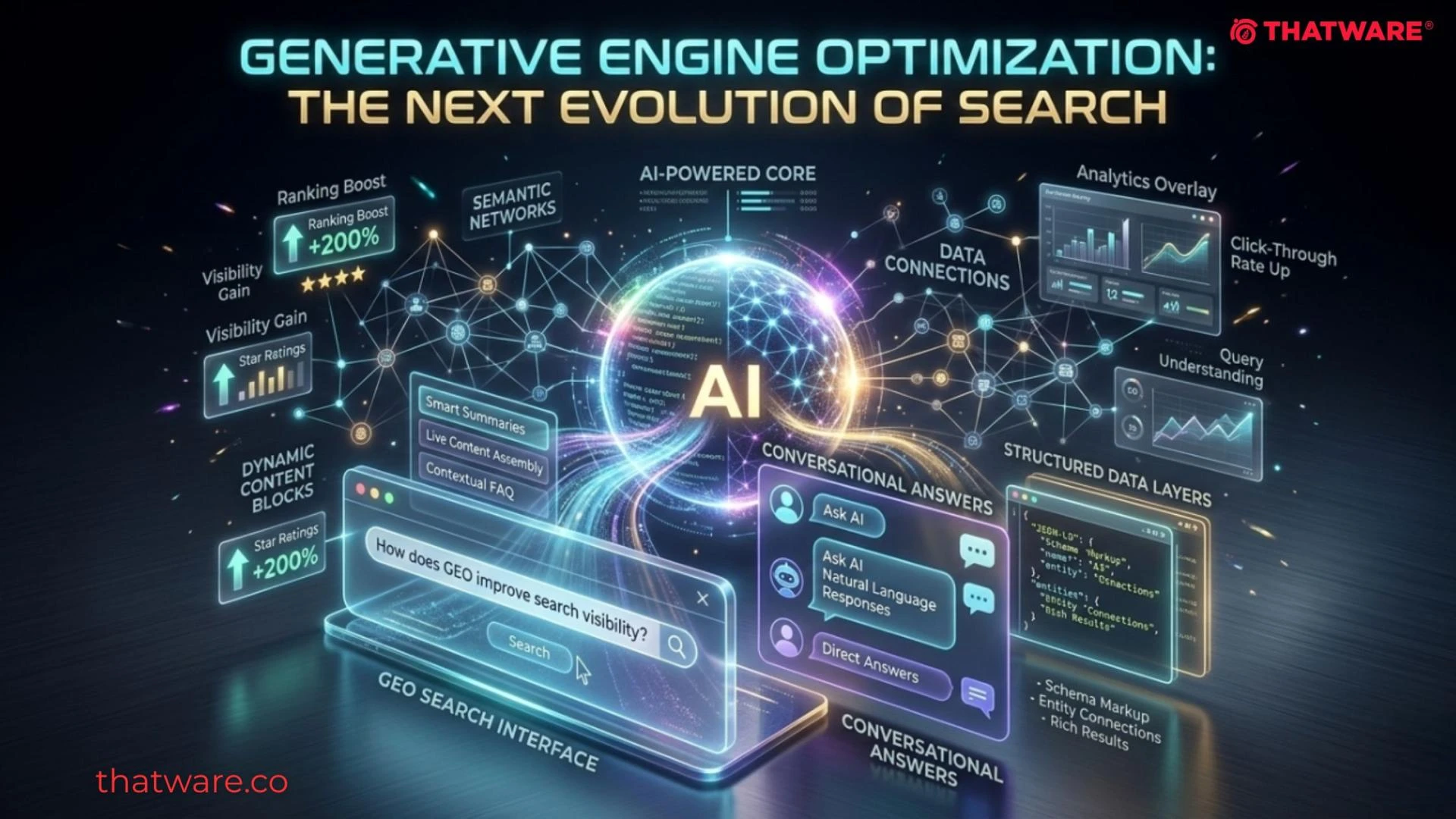
GEO services is in the process of optimizing digital content for AI-based search systems that generate responses rather than simply listing links. Unlike traditional SEO, which primarily focuses on keyword rankings, GEO emphasizes semantic depth, structured data, contextual authority, and user intent alignment.
Modern search engines use generative AI to provide direct answers, featured snippets, and conversational results. To appear in these responses, content must be comprehensive, authoritative, and contextually relevant.
How GEO Enhances Organic Visibility
Improves Contextual Relevance
GEO optimization prioritizes content that demonstrates topical authority. GEO strategies ensure your website covers subjects in-depth, connects related subtopics, and provides structured clarity. This increases the likelihood of your content being selected as a trusted source in AI-generated answers.
Optimizes for User Intent
Instead of focusing solely on keywords, GEO aligns content with search intent, informational, navigational, transactional, or commercial. By understanding what users truly want, businesses can create high-value content that generative engines prefer to reference.
For example, companies offering top SEO services in India can benefit from GEO by structuring content that clearly answers user questions about pricing, services, case studies, and measurable outcomes.
Enhances Structured Data and Entity Signals
GEO agency relies heavily on entities, schema markup, and structured content. GEO includes optimizing metadata, using proper heading hierarchies, implementing schema markup, and building strong internal linking structures. This makes it easier for AI systems to understand your content relationships and authority.
Strengthens E-E-A-T Signals
Experience, Expertise, Authoritativeness, and Trustworthiness (E-E-A-T) are critical in AI-powered search environments. GEO emphasizes credible authorship, case studies, testimonials, and authoritative backlinks to ensure content is perceived as reliable.
Boosts Featured Snippet and AI Overview Inclusion
AI-powered search results often pull content from pages that clearly answer questions in concise, well-structured formats. GEO encourages the use of FAQs, bullet points, summaries, and data-driven insights to increase the chances of appearing in AI overviews and rich results.
GEO vs Traditional SEO
Best SEO Agency in India, which provides traditional SEO services, focuses heavily on rankings and keyword density. GEO goes further by optimizing for how AI understands and synthesizes information. While SEO ensures discoverability, GEO ensures selection within AI-generated responses. Together, they create a powerful strategy for long-term organic growth.
Conclusion
As search engines continue integrating AI-driven responses, Generative Engine Optimization is becoming essential for sustained organic visibility. Businesses that adapt early will gain a competitive edge by appearing in AI summaries, voice search results, and conversational interfaces.
For companies ready to embrace this next evolution in search, working with an experienced GEO partner can make all the difference. ThatWare LLP specializes in advanced GEO strategies designed to enhance AI-driven visibility, improve search authority, and drive measurable organic growth in today’s intelligent search landscape.