
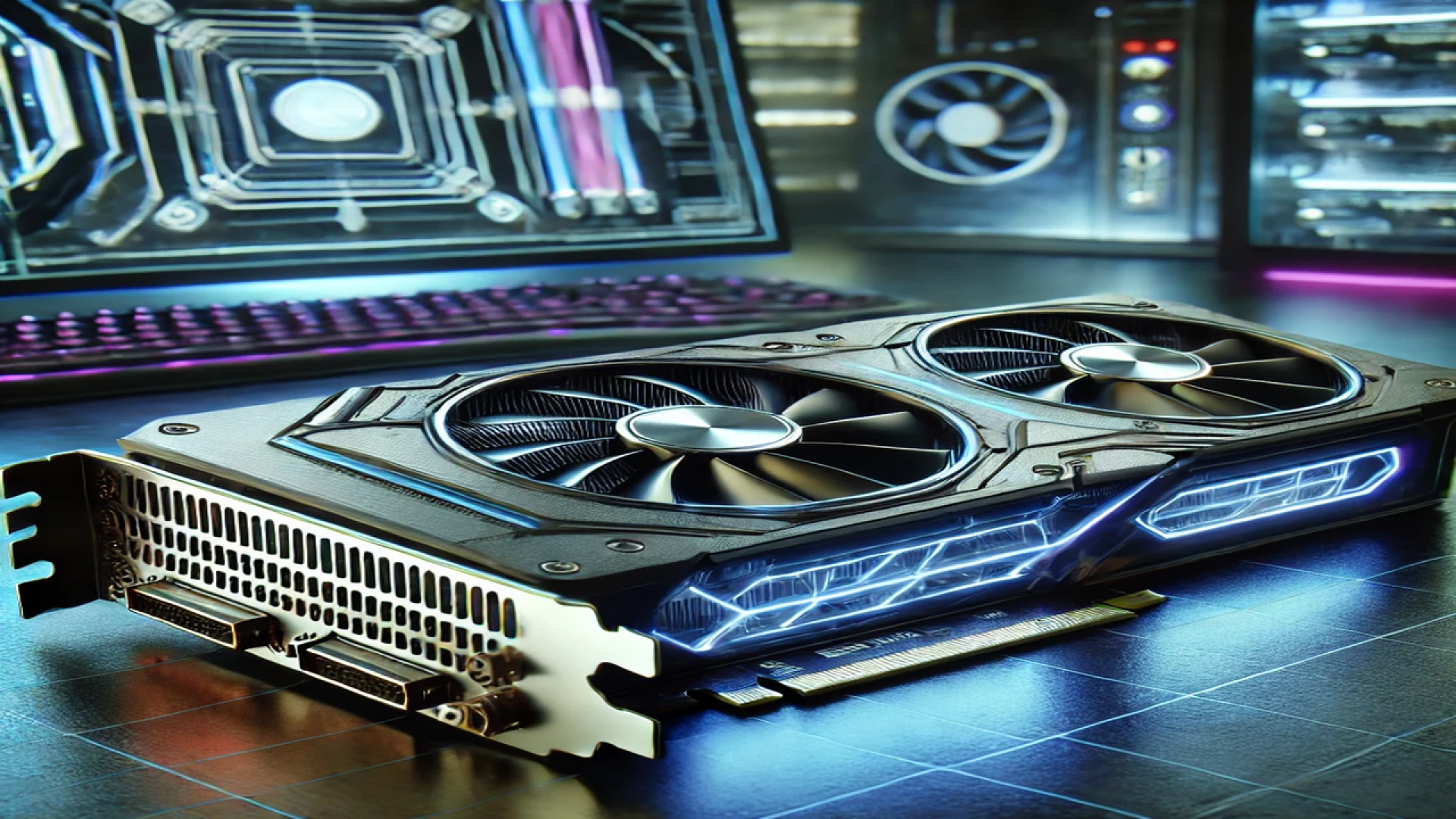
What drives ultimate performance in modern PCs?
Maybe it's the processor, hardware components, or overall performance of the system. Well, all these things are true, but what makes a PC unique and powerful is the GPU (Graphics Processing unit).
Personal computing has seen the days when graphics were limited to basic visuals with limited processing capabilities. However, Modern PCs are equipped with advanced GPUs that play a vital role in determining your overall computing experience. No matter if you are into gaming or content creation, having the right graphics can enhance your computing experience.
Complementing the importance of graphics, the report says that the worldwide GPU market is expected to surpass $461.02 billion by the end of 2032, with an annual rate of 28.6%.
However, with so many options available, choosing the right GPU may be a bit confusing. Here comes the role of NVIDIA’s GeForce RTX GPUs, emerging as a game changer and offering extreme graphic capabilities. But what makes GeForce RTX GPUs so powerful for PC graphics?
Let's continue this discussion in detail!
GeForce RTX GPUs: The Game-Changing Tech Behind Ultimate Graphics
RTX stands for Ray Tracing and Tensor cores, which highlight your system's performance in rendering lighting effects and accelerating Machine Learning operations. Modern PCs, like Legion Tower 5 gaming desktops, come with GeForce RTX GPUs that offer brilliant graphic quality even at extreme computing levels, such as when playing games.
Some of the highlighted features of these GPUs include:
1. Turing Architecture: The Genius Behind GeForce RTX Performance
The NVIDIA Turing Architecture is the very backbone of the GeForce RTX GPUs, providing ray tracing and AI-enhanced effects to modern graphics processing.
Turing combines several important innovations:
- The CUDA cores work as the major parallel processors executing graphics rendering and computational operations.
- Also, the RT Cores calculate real-time lighting operations to deliver astonishing photorealistic images in dedicated areas of the GPU.
- Furthermore, Tensor Cores focus on processing AI workloads that perform Deep Learning Super Sampling (DLSS) along with other AI applications efficiently.
2. Ray Tracing: Bringing Cinematic Realism to GeForce RTX Graphics
Ray tracing is probably the most revolutionary of all GeForce RTX features. Ray tracing technology has fair illumination and shadows that duplicate the way beams of light interact with objects in scenes.
It gives the outcome of an authentic lighting effect even though it traces every single photon by simulating paths.
- Ray tracing revolutionizes how images appear when viewed by real-time video games and virtual production applications.
- Real-time light reflection and mirror effects make Global Illumination even better because of improved scene lighting effectiveness.
- Like real-time reflections of light on surfaces by mirrors and water glass, other materials will also give an accurate view of reflections.
- Furthermore, it offers natural-looking shadows to the scenes, which interreact with the moving objects and further accentuate the realistic feel of the whole composition.
3. DLSS: AI-Powered Boost for Stunning Graphics and Performance
DLSS works by making the system use its Tensor Cores and AI algorithms to upscale resolution images without affecting native rendering speed. It involves the use of AI to improve the generated images drawn from lower-resolution game output in other forms.
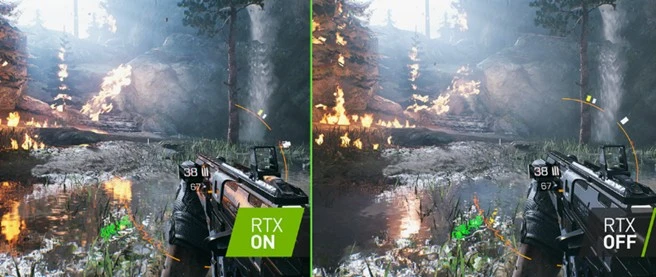
The benefits of DLSS include:
- Improved quality settings produce fast frame rates, which give rise to smooth gameplay experiences.
- In the same way, the artificial intelligence processing algorithms optimize texture definition along with anti-aliasing, leaving images with resolution-native clarity.
- Of course, DLSS shines in 4K: a laptop can present resolution-quality images at frame rates much higher than what traditional graphics would deliver.
4. NVIDIA Reflex: The Key to Lightning-Fast Response Times
Competitive gamers prize NVIDIA Reflex as the foremost element for gaming. By enhancing GPU, CPU, and display synchronization, Reflex minimizes latency. Therefore, every ounce of optimization and data display is done fast, facilitating maximum gaming response.
- Reflex occurs through minimal Render Queue Latency. Modern PCs like Legion Tower 5 Gen 8 AMD Ryzen 5 RX 7600 embody this technology, which provides even latency across all computing operations.
- It is especially important for Players who compete in fast-moving first-person shooters where every second matters.
5. Variable Rate Shading: Smart Performance for Smoother Gameplay
VRS is key to the RTX GPU system. VRS squeezes the last ounce of juice from the GPU by assigning different shading rates depending on the complexity of the scene.
- The aim here is that more GPU power goes to more complex parts of a scene. Limited resources can be allocated to enhance the performance and visual quality of simpler elements.
- This technology is especially useful during graphically complex moments in a game, heightening the shading detail of the vital parts of the scene.
- Dynamically changing the shading rate promotes rendering efficiency and smoothens the overall gaming experience.
Conclusion
In a nutshell, the GeForce RTX is more than a GPU—it is the backbone of modern PCs, offering the perfect combination of performance characteristics to make artistic capabilities superb. Ray Tracing and NVIDIA Reflex raise the level of experience for in-game characters by introducing properly simulated light and shadow.
Therefore, it's time for an upgrade for all gamers and designers. Now is the time to select GeForce RTX GPUs for better graphics performance.