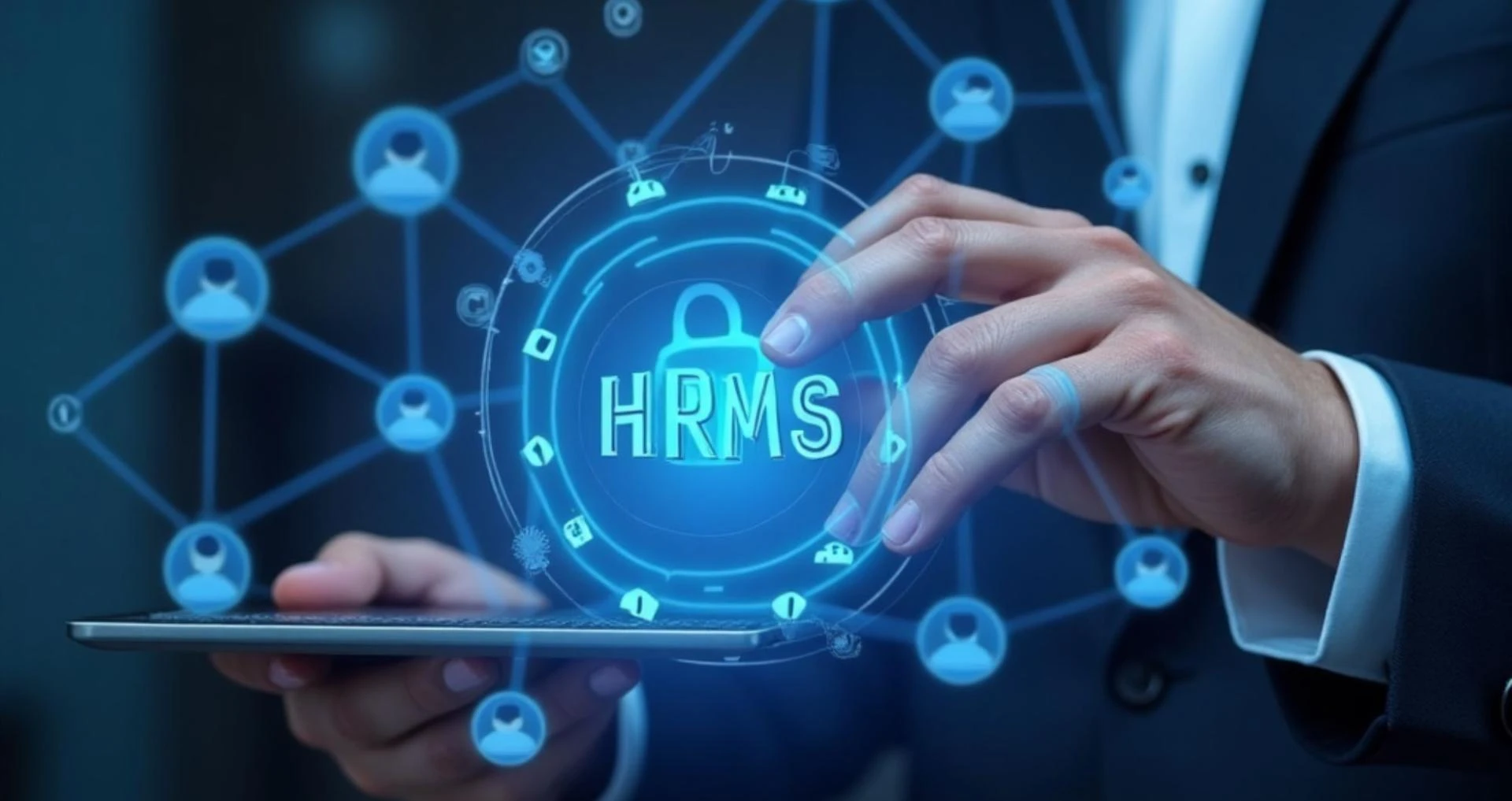
Human Resource Management Systems have, by now, become an important part of the arms for human-housing in modern businesses across the globe. With technological advancement changing the very face of how businesses are managed in terms of their human capital, HRMS software continues to evolve, robustly able to provide solutions for recruitment, employee management, payroll management, performance tracking, and more. The future has transparent promises of further dynamics and more integration with rising technologies concerning HRMS software as we enter into another era of digital transformation. In this blog, we'll discuss future HRMS software trends, the need for HR software in the country's digital landscape, and how different industries are reaping benefits from implementing HRMS solutions.
Future Trends in HRMS Software
Integration of AI and Machine Learning: While Artificial Intelligence (AI) and Machine Learning (ML) are buzzwords at the moment, they will transform HRMS software. This technology helps corporate staff in making informed decisions based on employee data through the prediction of future trends, for example, using AI in talent acquisition where it helps in screening resumes and matching candidates to the best-fit roles. Likewise, chatbots powered by artificial intelligence can do other things, such as streamline the recruitment process while also interacting with candidates, answering their questions and scheduling interviews.
In addition, it is predicted that the future HRMS would use artificial intelligence to pattern employee performance and development as it will analyze the patterns of productivity, engagement and behavior. With this predictive ability, the HR teams will know the potential problem regarding burnout or even dissatisfaction of employees before things get out of hand.
Employee experience and personalization: The fact that organizations are now paying more attention to employee engagement and retention will mean that HRMS software will increase personalization towards employees. Personalization will be, in a sense, where HRMS platforms will build or create their offerings based on the needs, preferences, and career goals of individual employees. This will include, for instance: personalized learning and development pathways, customized benefits packages, and performance feedback tailored to an employee's role and aspirations-but all through HRMS systems.
Cloud-Based HRMS: for all businesses Registrations in the clouds have already been greatly established in the HRMS field; however, the future will be where cloud technology is indulged even more. Cloud HRMS solutions offer the best scalability, flexibility, and cost-effectiveness for companies of any size. With these features in place, HRMS systems enable HR to do all work relevant to the workforce, irrespective of locations, as more organizations embrace remote work and hybrid models.
HRMS can be installed and updated periodically by cloud platforms with new features and security patches; thus, all companies will remain technologically advanced without upgrading the entire systems for expensive infrastructure.
Integration with Other Business Systems: This growing trend toward integration across an organization means that HRMS system software will increasingly connect with other core business systems; thus, integration with systems such as Customer Relationship Management (CRM), Enterprise Resource Planning (ERP), and even finance tools could increasingly be expected. Such integration would allow sharing of relevant data with other departments, encouraging better collaboration and decisions.
For instance, an employee performance and customer satisfaction case can be related through an integrated HRMS and CRM in a single view hence facilitating alignment of strategies for talent management with customer-facing goals.
Data Security and Compliance: Digitization is the main priority of securitization and compliance of businesses with their HR data. Future HRMS will be aimed at high prowess in data protection as privacy regulations such as GDPR and CCPA will be very stringent.
Need for HRMS Software in India’s Digital Landscape
Digital transformation in India is picking pace, and at the strategic centre of this shift is the HRMS software. Traditionally, HR management in India had been paper-based, manual, and prone to human error. With increasing digital tools and the growing importance of data-driven decision-making, HRMS software has become paramount for all businesses. Here is why:
Automation of HR Tasks: HR processes need to be more efficient to cope with the growing workforce in India. HRMS software automates administrative functions such as payroll management, absence tracking and leave management. This further reduces the manual effort and ensures greater precision, a prime necessity where operations need to be on a larger scale.
Supporting Remote Work: With the advent of the COVID-19 pandemic, remote and hybrid work models were forced on businesses. HRMS software enables HR teams to manage remote workforces by facilitating virtual collaboration, attendance tracking, and performance management-all whilst employees are working from home-cloud-based solutions have made this possible.
Compliance with Statutory Requirements: With labour laws being so intricate in India, businesses have to deal with compliance concerning many regulations, including Gratuity, EPF, and PT. HRMS systems generally enable adherence to such regulations through their compliance automation processes and reporting functionalities in order to fulfil their legal requirements.
Insight-Driven Data: The growing economy and diverse workforce of India demand that the HR teams have access to data-driven insights for effective decision-making. HRMS software empowers businesses with tools to accumulate and analyze employee data, thus helping them in taking better hiring, performance management, compensation, and retention decisions.
Talent Acquisition and Retention: The competition in the Indian job market necessitates businesses to attract, retain, and develop the best talent. An HRMS can streamline the recruitment process by helping organizations quickly identify their best candidates. Also, through performance tracking and personalized development plans, the company retains its talent and continues to develop its skills.
Conclusion
The future of HRMS software is just a delight in exciting terms with advancements in AI, cloud computing, and data analytics that would change the paradigm under which HR departments work. HRMS software is the backbone of India in a digitized economy. HRMS software, in fact, automates processes, ensures compliance, and enhances the employee experience. Across all sectors-whether manufacturing, IT, healthcare, retail, or education-HRMS applications are designed to meet industry-specific challenges, thus making them integral to any modern business. And with what becomes of these trends, HRMS software will be a critical investment towards determining the future of human resource management worldwide.