India’s vehicle transportation industry is changing rapidly. Earlier, bike and car transportation mainly depended on basic carriers, manual tracking, and delayed communication. But now, technology, customer expectations, and infrastructure growth are transforming the entire logistics sector.
From electric transport vehicles to AI-powered tracking systems, the future of bike and car transportation in India looks smarter, faster, and more customer-focused.
As more people relocate for jobs, education, and business opportunities, the demand for reliable vehicle transportation services continues to rise. At the same time, logistics companies are investing in modern systems to improve safety, delivery speed, and operational efficiency.
Rise of AI and Smart Logistics Systems
Artificial Intelligence is expected to become one of the biggest game changers in vehicle transportation logistics. AI-based software can already analyse traffic conditions, fuel consumption, weather, and delivery routes to improve transportation efficiency. Logistics companies are using smart fleet systems to reduce delays and improve delivery accuracy.
Smart route optimisation will also reduce fuel usage and delivery time, especially for long-distance car and bike transportation between metro cities.
Real-Time GPS Tracking Becoming Standard
Customers today want complete visibility of their vehicles during transportation. Because of this, real-time GPS tracking is becoming a standard feature in modern logistics services.
Future logistics systems may offer features like:
- Live vehicle location updates
- Automated delivery notifications
- Estimated arrival time predictions
- Digital proof of delivery
- Real-time route deviation alerts
This level of transparency helps customers feel more secure while transporting expensive vehicles across states.
Electric Vehicles Will Transform Logistics Fleets
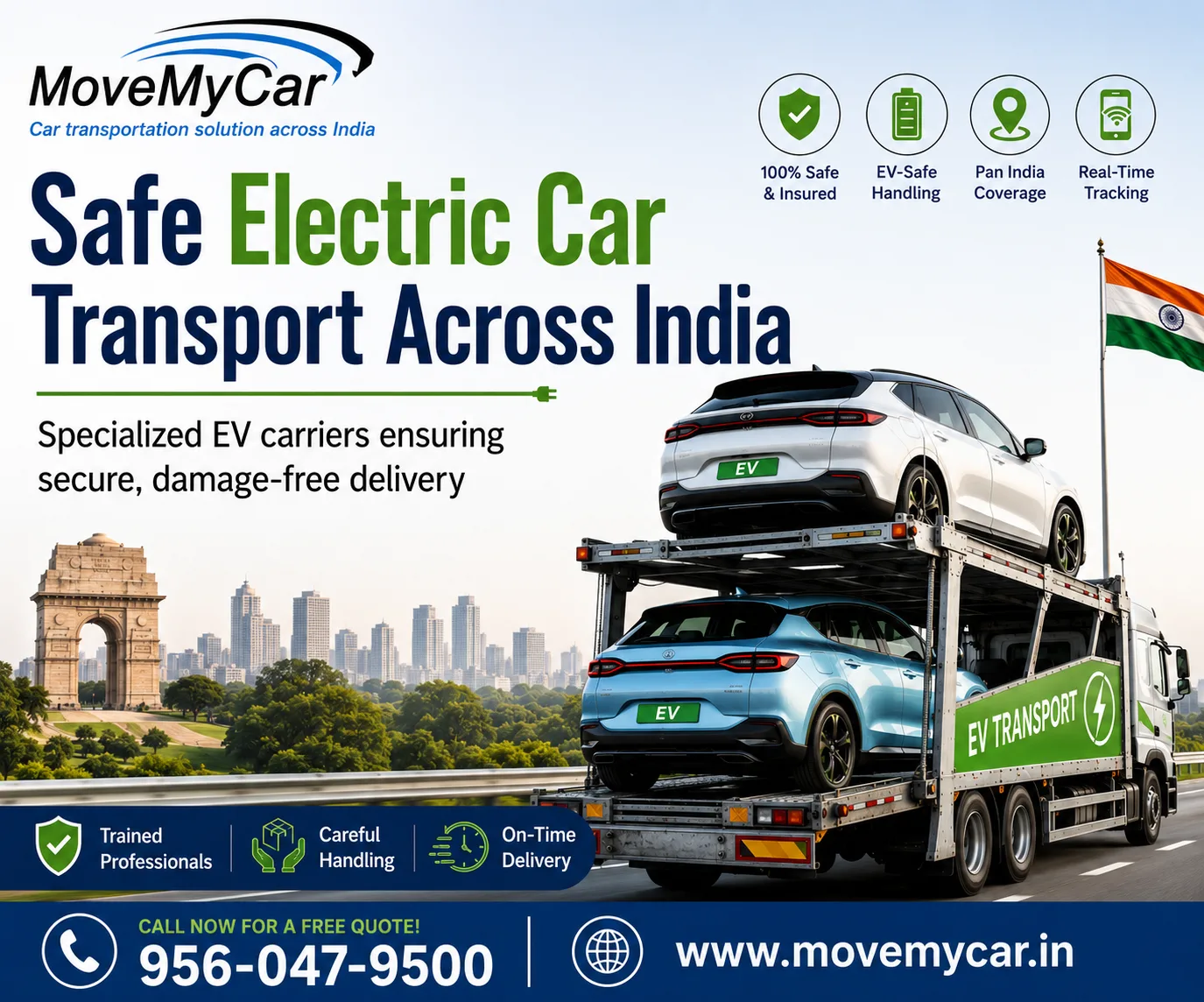
Electric vehicle adoption is increasing rapidly in India. While EV cars and bikes are becoming more common among customers, logistics companies are also exploring electric trucks and transport carriers for freight movement.
Many logistics operators are shifting towards EV fleets because they offer:
- Lower fuel costs
- Reduced carbon emissions
- Lower maintenance expenses
- Better long-term sustainability
Government policies and infrastructure projects are also supporting this transition. However, charging infrastructure remains a major challenge for large-scale EV logistics expansion.
Growth of Multimodal Transportation
Future vehicle logistics in India will increasingly depend on multimodal transportation systems. Instead of relying only on trucks, logistics companies will combine railways, highways, ports, and warehousing systems to improve transportation efficiency.
For example:
- Cars may travel part of the route through railway carriers
- Bikes may move through regional distribution hubs
- Long-distance deliveries may combine road and rail transport
This integrated logistics approach can reduce transportation time and fuel costs while improving vehicle safety.
Automation and Autonomous Mobility
Automation is another major trend shaping future transportation logistics. India is already witnessing research and development in autonomous mobility and connected vehicles.
Although fully driverless vehicle carriers may still take years to become commercially common, automation will likely improve:
Fleet coordination
Safety monitoring
Traffic management
Fuel optimisation
Driver assistance systems
Connected transport systems using 5G and future 6G communication technologies may further strengthen logistics efficiency.
Increased Focus on Green Logistics
Environmental concerns are becoming more important in the Indian logistics sector. Customers and businesses are now paying attention to sustainable transportation practices. Because of this, future logistics companies may invest heavily in:
- Electric transport fleets
- Eco-friendly packaging
- Fuel-efficient carriers
- Carbon tracking systems
- Route optimisation software
Green logistics not only helps the environment but also improves operational savings in the long run. Many companies are already treating sustainability as a competitive advantage.
Better Customer Experience Through Digital Platforms
Modern customers expect convenience, fast communication, and digital support. Future logistics companies are likely to offer complete digital booking ecosystems where customers can:
- Book transportation online
- Compare pricing instantly
- Upload documents digitally
- Track vehicles live
- Receive automated updates
Digital freight platforms are already replacing traditional paperwork-heavy logistics operations. This trend is expected to grow much faster over the next few years.
Conclusion
The future of logistics for car or bike transportation in India is becoming more technology-driven, transparent, and environmentally focused. AI, GPS tracking, electric fleets, automation, and digital logistics systems are gradually transforming how vehicles are transported across the country.
Movers who adapt to smart logistics technologies and customer-focused services will likely dominate the future transportation market in India.