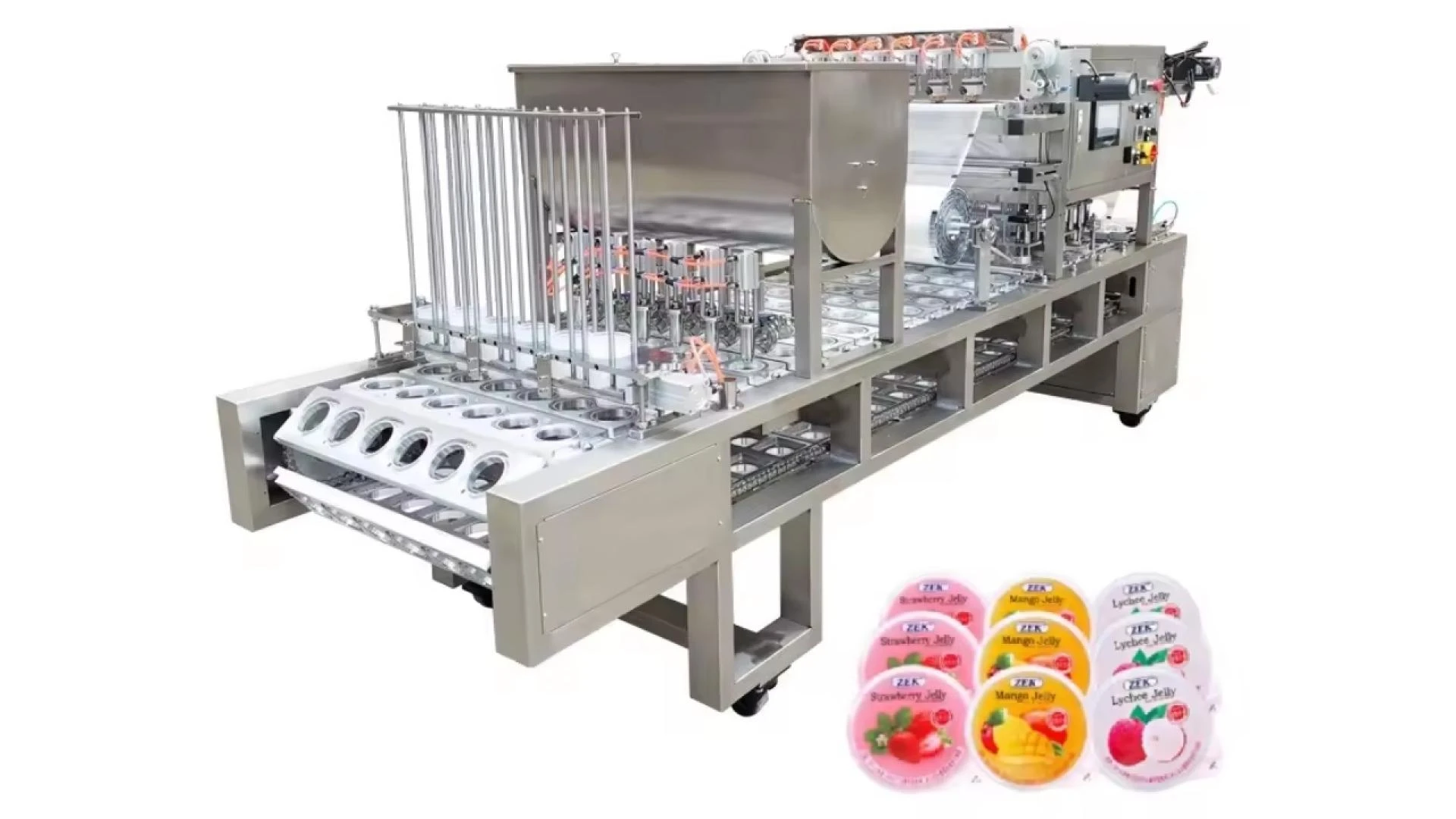
The confectionery industry is constantly evolving, driven by changing consumer preferences, global market demands, and technological advancements. Among the most innovative sectors in confectionery manufacturing is jelly candy production. Modern Jelly Candy Making Machine technology has already transformed the industry by improving production efficiency, ensuring product consistency, and enabling creative product designs. Looking ahead, several technology trends are poised to redefine how jelly candies are manufactured, offering greater automation, customization, and sustainability.
Increased Automation and Smart Manufacturing
One of the most significant trends shaping the future of jelly candy making machines is automation. Fully automated systems reduce reliance on manual labor, improve production speed, and maintain consistent quality across large batches. In the coming years, we can expect these machines to integrate even more advanced smart technologies.
The next generation of machines will likely feature AI-driven process control, real-time monitoring, and predictive maintenance. By leveraging data from sensors and IoT-connected components, manufacturers will be able to identify potential issues before they cause downtime, optimize production parameters, and reduce waste. These advancements will ensure that manufacturers can maintain high levels of efficiency even as they scale production to meet growing market demand.
Customization and Personalization Capabilities
Consumer demand for personalized and innovative products is rising, and jelly candy manufacturers are responding by investing in machines that allow for greater customization. Future jelly candy making machines will be able to handle complex multi-layered deposits, mixed flavors, and marbled designs more efficiently than ever before.
Advanced depositing and molding systems will enable producers to create candies of varying shapes, sizes, and textures in a single production run. This flexibility will allow manufacturers to cater to niche markets, such as dietary-specific candies, limited-edition products, or themed candies for holidays and events. The ability to quickly switch molds and adjust recipes will help companies respond rapidly to consumer trends without compromising production efficiency.
Integration with Digital Technologies
The future of jelly candy production is closely tied to digitalization. Machines will increasingly incorporate digital twin technology, which allows manufacturers to simulate production processes and identify potential improvements before implementation. This virtual modeling reduces trial-and-error in new product development, saving time and resources.
Cloud-based monitoring systems will also become more prevalent, allowing operators to control production remotely, analyze historical data, and optimize processes for efficiency and consistency. These digital tools will help manufacturers maintain quality standards while accelerating innovation.
Sustainability and Energy Efficiency
Sustainability is becoming a critical consideration for confectionery manufacturers worldwide. Future jelly candy making machines will focus on energy-efficient operations, reduced water usage, and minimal material waste. Technologies such as vacuum cooking, heat recovery systems, and variable frequency drives (VFDs) will become standard features in modern equipment.
Additionally, manufacturers are exploring machines capable of handling natural ingredients, sugar alternatives, and low-calorie formulations without affecting product quality. This aligns with consumer preferences for healthier and eco-friendly options while helping companies reduce their environmental footprint.
Advanced Coating and Finishing Techniques
Visual appeal and texture are critical factors in jelly candy popularity. Future machines will incorporate more sophisticated coating and finishing systems, allowing for precise application of sugar, chocolate, or sour coatings. Automation of these processes ensures consistent coverage, reduces manual labor, and enables the creation of more intricate designs, including multi-flavored or multi-textured finishes.
These advancements will also allow manufacturers to produce candies with enhanced functional benefits, such as vitamin coatings or probiotic-infused finishes, broadening the appeal of jelly products in health-conscious markets.
Multi-Functional and Modular Designs
Flexibility will continue to be a core feature of jelly candy making machines. Modular designs that allow for the addition of new units or capabilities will enable manufacturers to upgrade their equipment as production needs evolve. Machines will be able to switch between different candy types, textures, and flavors with minimal downtime, improving overall efficiency and versatility.
Multi-functional machines capable of cooking, depositing, molding, cooling, and coating in one integrated system will streamline production and reduce space requirements, making them ideal for both large-scale factories and smaller boutique manufacturers.
Conclusion
The future of jelly candy making machines is being shaped by automation, smart manufacturing, digital integration, sustainability, and flexibility. These trends will allow manufacturers to produce high-quality, innovative products while minimizing labor, energy, and material costs.
Investing in a modern Jelly Candy Making Machine with future-ready technology will provide manufacturers with the tools to respond to consumer demand, accelerate product development, and remain competitive in a rapidly evolving market. By embracing these innovations, confectionery companies can achieve operational efficiency, expand product variety, and create unique, market-leading jelly candies that capture consumer interest.
As technology continues to advance, manufacturers who adopt these innovations will be well-positioned to lead the industry, delivering high-quality, creative, and sustainable products to meet the demands of global consumers.