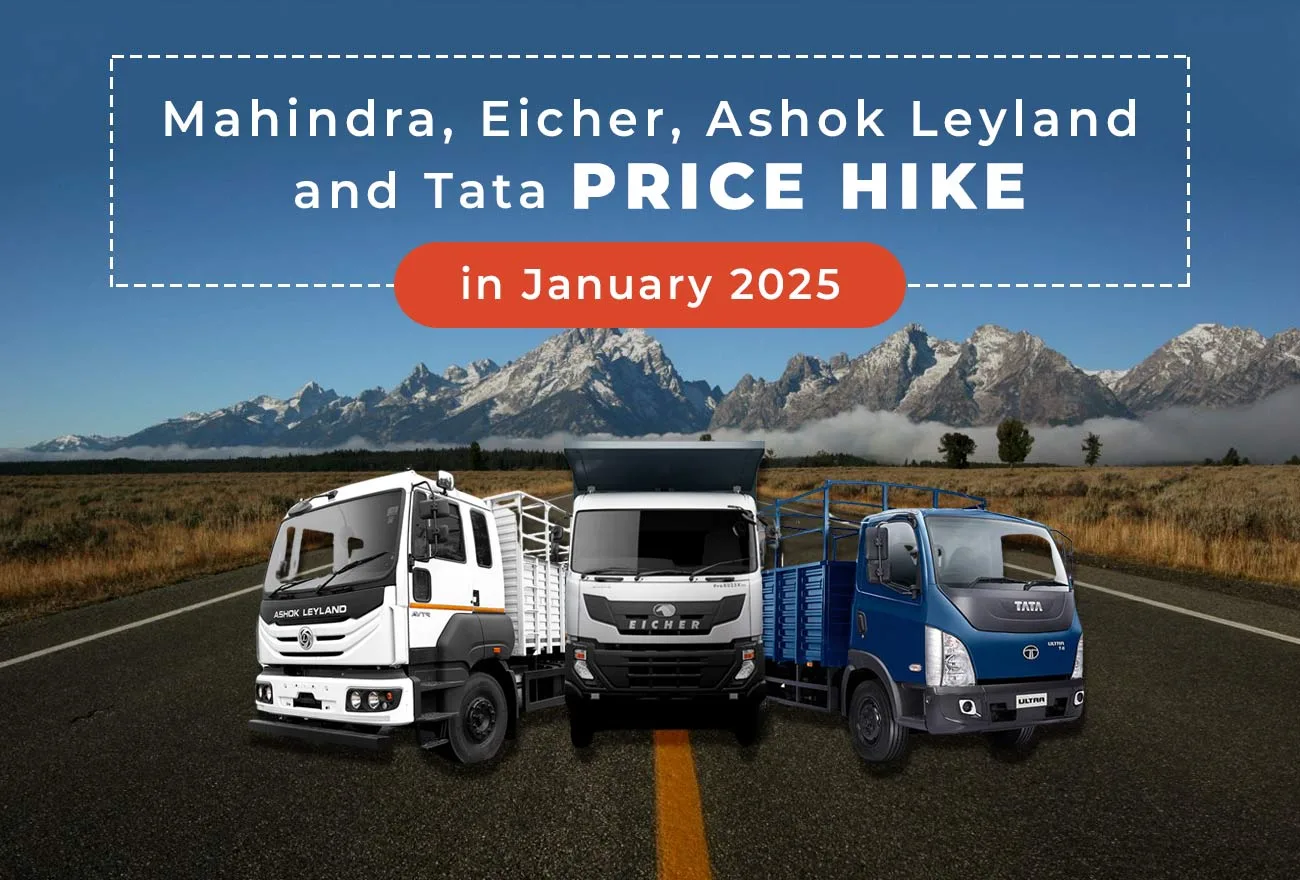
Leading commercial vehicle manufacturers, including Mahindra & Mahindra, Ashok Leyland, Eicher Motors, and Tata Motors, have announced price increases that will go into effect in January 2025, marking a significant development for the Indian automobile sector. It is imperative that potential buyers strategically plan their purchases because this adjustment is anticipated to affect the price of trucks and other commercial vehicles across a number of market categories.
Visit Us:- Future Price Increases for Mahindra, Eicher, Ashok Leyland, and Tata in January 2025
The Indian commercial vehicle industry is preparing for a new round of price increases starting January 2025, with major manufacturers like Mahindra & Mahindra, Eicher Motors, Ashok Leyland, and Tata Motors expected to revise their pricing. This anticipated adjustment reflects rising input costs, evolving regulatory requirements, and continued investments in advanced vehicle technologies.
Industry experts suggest that the primary driver behind these price hikes is the increase in raw material costs, especially steel and aluminum. Additionally, stricter emission norms and the push toward cleaner mobility solutions have forced manufacturers to invest heavily in research and development. These added expenses are now being passed on to consumers in the form of higher vehicle prices.
Another contributing factor is inflationary pressure across the supply chain. Logistics, labor, and component costs have all seen steady growth over the past year. As a result, commercial vehicle makers are left with limited options but to adjust pricing to maintain profitability while continuing to deliver reliable products.
The price increase is expected to impact a wide range of commercial vehicles, including light commercial vehicles (LCVs), medium and heavy commercial vehicles (M&HCVs), and buses. Fleet operators and logistics companies may feel the immediate impact, as higher acquisition costs could affect their expansion plans and overall operational budgets.
Despite the expected price hike, demand for commercial vehicles in India remains strong, driven by infrastructure development, e-commerce growth, and increased rural connectivity. Companies like Mahindra, Eicher, Ashok Leyland, and Tata Motors continue to innovate by introducing fuel-efficient and technologically advanced vehicles, which help offset the impact of higher costs over time.
For potential buyers, January 2025 presents a critical timeline. Industry analysts recommend considering purchases before the price revisions take effect to maximize cost savings. At the same time, businesses should evaluate long-term benefits such as fuel efficiency, maintenance costs, and resale value when making investment decisions.
In conclusion, while the upcoming price increases may create short-term challenges, they also reflect the industry's transition toward more sustainable and efficient mobility solutions. Staying informed and planning purchases strategically will be key for buyers navigating this evolving market landscape.