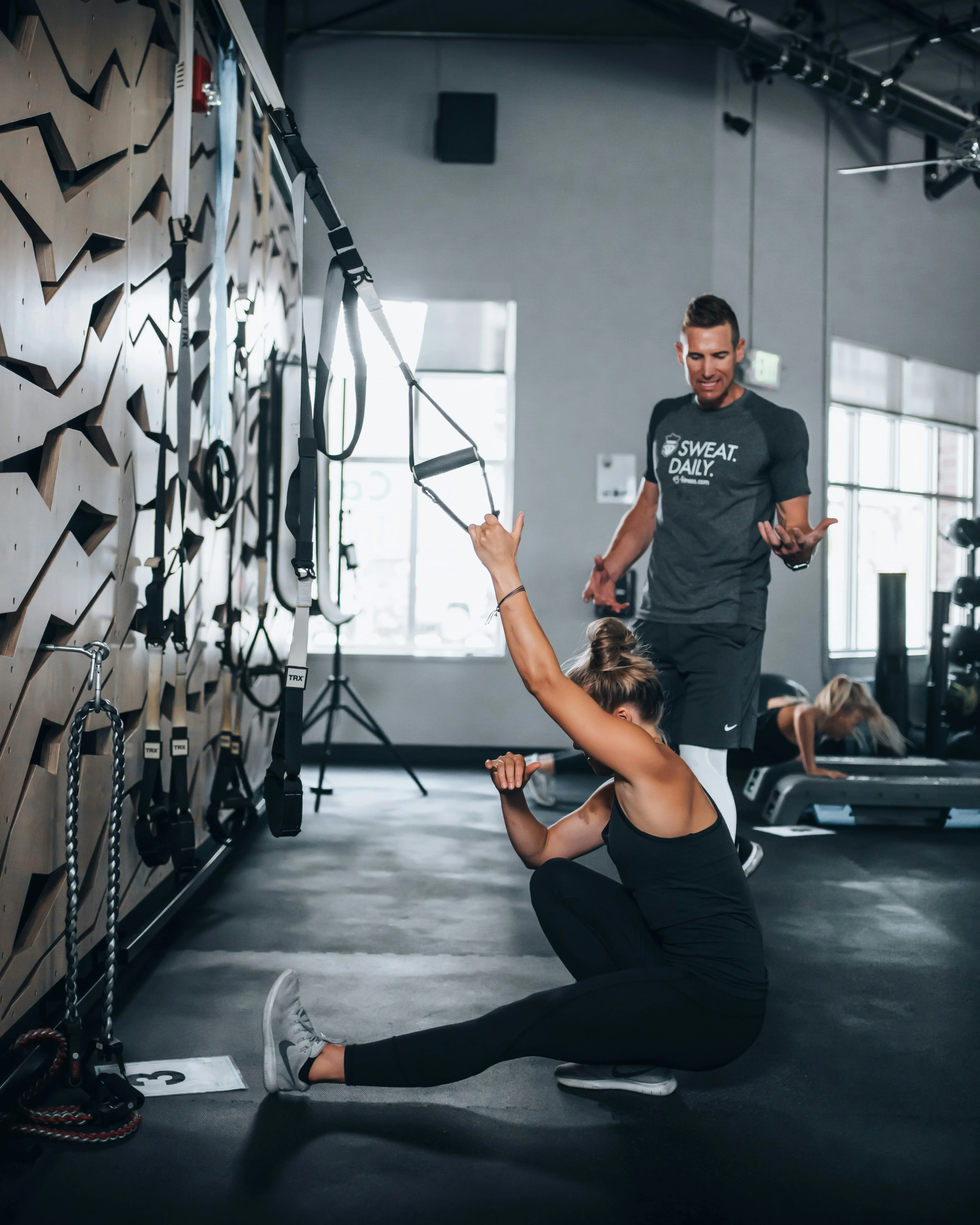
Building a strong and capable body requires more than focusing on individual muscles or lifting heavier weights. A well-rounded fitness routine should improve strength, endurance, mobility, coordination, and the ability to perform physical activities efficiently. Functional Fitness Exercises provide an effective way to develop these abilities through movements that engage multiple muscle groups and reflect real-life physical demands.
Whether you are an athlete, a busy professional, or someone looking to improve overall fitness, functional training can help develop practical strength and better conditioning. By combining resistance exercises, bodyweight movements, and cardiovascular activities, individuals can build a balanced fitness foundation that supports both everyday activities and athletic performance.
What Are Functional Fitness Exercises?
Functional fitness exercises are movements designed to improve the body's ability to perform everyday activities and physical challenges. They focus on natural movement patterns such as squatting, bending, pushing, pulling, lifting, carrying, and rotating.
Unlike exercises that isolate a single muscle group, functional movements often involve several muscles working together. This encourages better coordination, stability, and overall movement control.
A structured full body functional training program may include:
- Lower-body strength exercises.
- Upper-body pushing and pulling movements.
- Core stability exercises.
- Balance and coordination drills.
- Cardiovascular conditioning activities.
- Mobility and movement preparation.
These exercises can be adjusted according to individual fitness levels, training experience, and performance goals.
7 Effective Functional Fitness Exercises for Full-Body Strength
The following functional strength exercises target different muscle groups while improving overall physical performance.
1. Squats for Lower-Body Strength
Squats are fundamental functional movements that strengthen the quadriceps, glutes, hamstrings, and core.
They also help develop the strength and coordination needed for everyday activities such as sitting, standing, climbing stairs, and lifting objects from lower positions.
Benefits:
- Develops lower-body strength.
- Improves hip and knee movement control.
- Supports balance and coordination.
- Builds a foundation for more advanced exercises.
Beginners can start with bodyweight squats before progressing to goblet squats or barbell variations.
2. Deadlifts for Posterior Chain Development
Deadlifts are compound exercises that target the glutes, hamstrings, back, and core. They teach individuals how to lift loads using coordinated hip and trunk movement.
This movement is particularly useful for developing strength needed for lifting and carrying objects.
Benefits:
- Strengthens the posterior chain.
- Develops grip strength.
- Improves lifting mechanics.
- Builds full-body strength.
Proper technique and suitable resistance are essential, especially for individuals new to weight training.
3. Push-Ups for Upper-Body Strength
Push-ups are effective bodyweight exercises that strengthen the chest, shoulders, triceps, and core.
They develop pushing strength while requiring the body to maintain a stable position throughout the movement.
Benefits:
- Strengthens the upper body.
- Improves core stability.
- Develops muscular endurance.
- Requires minimal equipment.
Beginners can perform incline push-ups before progressing to standard or more advanced variations.
4. Walking Lunges for Balance and Coordination
Walking lunges challenge the lower body through alternating single-leg movements. They target the quadriceps, glutes, and hamstrings while requiring balance and coordination.
Benefits:
- Develops unilateral leg strength.
- Improves dynamic balance.
- Challenges hip stability.
- Supports coordinated movement.
Walking lunges can be performed using bodyweight or additional resistance depending on experience and ability.
5. Kettlebell Swings for Power and Conditioning
Kettlebell swings are dynamic exercises that emphasize hip extension and coordinated movement. They primarily challenge the posterior chain while also developing cardiovascular and muscular endurance.
Benefits:
- Develops explosive hip power.
- Improves conditioning.
- Challenges grip and core stability.
- Builds muscular endurance.
Proper hip-hinge mechanics are important. Beginners should learn the movement under qualified supervision before increasing resistance or speed.
6. Farmer's Carries for Grip and Core Strength
Farmer's carries involve walking while holding weights at the sides of the body. Although simple in appearance, this exercise challenges several muscle groups simultaneously.
Benefits:
- Develops grip strength.
- Challenges core stability.
- Improves postural control.
- Builds practical carrying strength.
The exercise can be progressed by adjusting the load, distance, or carrying variation.
7. Sled Pushes for Full-Body Conditioning
Sled pushes are demanding conditioning exercises that involve the legs, hips, shoulders, and core. They can be incorporated into strength and conditioning programs to improve physical work capacity.
Benefits:
- Challenges lower-body strength.
- Develops muscular endurance.
- Improves conditioning.
- Supports athletic performance.
Training intensity and sled resistance should be adjusted according to individual ability and recovery.
How Full Body Functional Training Improves Conditioning
Strength is only one part of physical fitness. Conditioning helps the body sustain physical activity and recover between demanding efforts.
Full body functional training can combine resistance exercises with cardiovascular movements to challenge multiple physical systems.
Effective conditioning workouts may include:
Circuit Training: Performing several exercises consecutively with planned rest periods to develop muscular and cardiovascular endurance.
Interval Training: Alternating higher-intensity activity with recovery periods to improve work capacity.
Sled Conditioning: Using sled pushes and pulls to challenge strength and endurance.
Rowing Workouts: Combining upper-body, lower-body, and cardiovascular demands in one activity.
Kettlebell Circuits: Using controlled kettlebell movements to develop strength, coordination, and conditioning.
A well-designed program balances training intensity, rest, and progressive overload rather than pushing maximum effort during every workout.
How Often Should You Perform Functional Fitness Exercises?
Training frequency depends on experience, fitness goals, exercise intensity, and recovery capacity.
For many beginners, two to three structured strength sessions per week can provide a practical starting point. More experienced individuals may benefit from additional sessions depending on their overall training schedule.
A balanced weekly routine can include:
- Two or three full-body strength sessions.
- One or two conditioning sessions.
- Regular mobility and movement preparation.
- Adequate recovery between demanding workouts.
Consistency and proper progression are more important than completing as many workouts as possible.
Why Professional Functional Fitness Coaching Matters
Although many functional exercises require minimal equipment, performing them with appropriate technique and progression is important.
Professional coaching helps individuals select suitable exercises, understand movement mechanics, and develop a training plan based on their goals.
A personalized program may include:
- Initial fitness and movement assessments.
- Individualized strength and conditioning programming.
- Technique guidance and exercise modifications.
- Progressive training adjustments.
- Performance monitoring and accountability.
For individuals seeking Strength Training in Brooklyn, working with an experienced coach can provide a more structured approach to developing strength, conditioning, and movement quality.
Functional Fitness Training at Physical Culture Brooklyn
Physical Culture Brooklyn, located in Gowanus, offers specialized functional fitness coaching designed to help individuals develop strength, conditioning, and athletic performance.
Its training approach incorporates several disciplines, including CrossFit, HYROX, Olympic weightlifting, powerlifting, and endurance training.
Through personalized coaching, clients can work toward their individual fitness goals with structured programming, professional guidance, and ongoing performance development.
Whether you want to improve full-body strength, develop better conditioning, or become more physically capable, the right training approach can help you make consistent progress.
Final Thoughts
Functional fitness exercises provide a practical way to build full-body strength and improve conditioning. By combining compound movements, resistance training, balance exercises, and cardiovascular activities, individuals can develop a more capable and well-rounded body.
The most effective training program is one that matches your current fitness level, supports your personal goals, and allows for consistent progression.
With appropriate exercise selection, professional coaching, and regular training, functional fitness can become a valuable part of a long-term approach to health and physical performance.