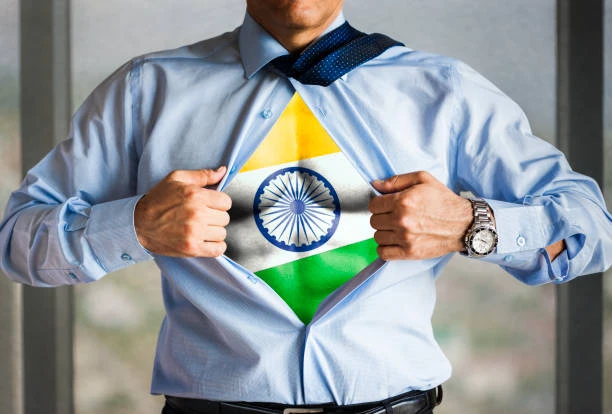
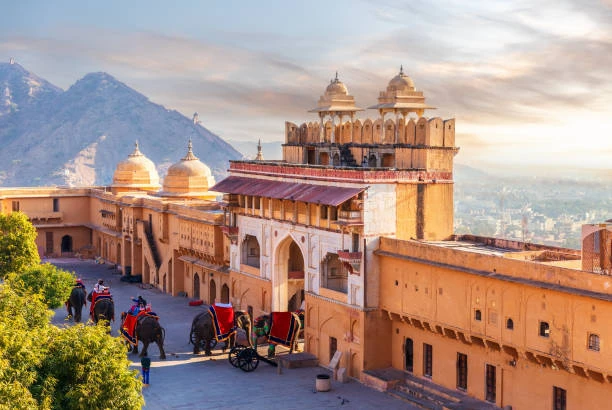
India is a country rich in culture, history, and natural beauty, making it a popular destination for travelers from all over the world. For citizens of Cyprus who are looking to visit India, the process of obtaining a visa has been made easier with the introduction of the Indian eVisa. This electronic visa allows travelers to apply for their visa online, eliminating the need to visit an embassy or consulate in person. The VISITING NORTH EASTERN INDIA FROM AUSTRALIA for Cyprus citizens is available for both tourism and business purposes, and it allows travelers to stay in India for up to 90 days. With the convenience of the eVisa, Cyprus citizens can now easily plan their trip to India and explore all that this diverse and vibrant country has to offer.
The Indian eVisa for Cyprus citizens has made the process of obtaining a visa for India much simpler and more convenient. With the ability to apply online, travelers no longer have to go through the hassle of visiting an embassy or consulate in person. The eVisa application process is straightforward and can be completed from the comfort of your own home. Once approved, the eVisa will be sent directly to the traveler's email, eliminating the need for a physical visa stamp in the passport. This makes it easier for Cyprus citizens to plan their trip to India and ensures a smooth and hassle-free entry into the country.
How to Apply for an Indian eVisa as a Cyprus Citizen
Applying for an Indian eVisa as a Cyprus citizen is a simple and straightforward process. To begin, travelers can visit the official Indian eVisa website and fill out the online application form. The form will require basic personal information, passport details, and travel plans, so it is important to have this information on hand before starting the application. Additionally, travelers will need to upload a digital copy of their passport photo page and a recent passport-sized photograph. Once the application is complete, travelers can pay the visa fee online using a credit or debit card. The processing time for the eVisa is typically around 3-5 business days, so it is important to apply well in advance of your planned travel dates.
After submitting the application and paying the visa fee, travelers will receive a confirmation email with a reference number. It is important to keep this reference number handy, as it will be needed to check the status of the eVisa application. Once approved, the eVisa will be sent directly to the traveler's email address. It is important to print a copy of the eVisa and carry it with you when traveling to India, as it will need to be presented upon arrival. With the convenience of the Indian eVisa, Cyprus citizens can now easily apply for their visa online and look forward to an unforgettable trip to India.
Planning a Trip to North Eastern India from Australia
For travelers from Australia looking to explore the diverse and lesser-known regions of India, a trip to North Eastern India is an exciting and rewarding experience. This region is known for its stunning natural landscapes, rich cultural heritage, and unique traditions that set it apart from the rest of the country. From the lush tea plantations of Assam to the majestic Himalayan peaks of Sikkim, North Eastern India offers a wealth of attractions and activities for adventurous travelers. Planning a trip to this region from Australia requires careful consideration of travel logistics, as well as an understanding of the cultural etiquette and customs that are important to respect when visiting this part of India.
Traveling to North Eastern India from Australia involves careful planning and consideration of travel logistics. The region is well-connected by air, with major airports in Guwahati, Imphal, and Bagdogra offering domestic flights from major cities in India. For travelers coming from Australia, it may be necessary to connect through major Indian cities such as Delhi or Kolkata before reaching their final destination in North Eastern India. Additionally, it is important to research visa requirements for Australian citizens traveling to India, as well as any specific entry requirements for visiting certain states within North Eastern India. With careful planning and preparation, travelers from Australia can look forward to an unforgettable journey through this captivating region.
Top Attractions and Activities in North Eastern India
North Eastern India is home to a wealth of attractions and activities that cater to a wide range of interests and preferences. For nature enthusiasts, the region offers stunning landscapes such as the Kaziranga National Park in Assam, known for its population of one-horned rhinoceroses and diverse bird species. The state of Meghalaya is famous for its living root bridges and picturesque waterfalls, while Sikkim boasts some of the most breathtaking trekking routes in the Himalayas. For those interested in cultural experiences, North Eastern India is home to diverse indigenous communities with unique traditions and festivals that offer a glimpse into their way of life. The Hornbill Festival in Nagaland is a vibrant celebration of Naga culture, featuring traditional music, dance, and crafts that showcase the rich heritage of this region.
In addition to its natural beauty and cultural diversity, North Eastern India offers a range of activities for adventurous travelers. Trekking enthusiasts can explore the stunning landscapes of Arunachal Pradesh and Sikkim, with routes that lead through remote villages and pristine wilderness areas. River rafting on the Brahmaputra River in Assam offers an exhilarating experience for thrill-seekers, while wildlife safaris in Kaziranga National Park provide opportunities to spot rare and endangered species in their natural habitat. For those seeking spiritual experiences, North Eastern India is home to several important pilgrimage sites such as Tawang Monastery in Arunachal Pradesh and Kamakhya Temple in Assam. With its diverse range of attractions and activities, North Eastern India offers something for every type of traveler seeking an off-the-beaten-path adventure.
Tips for Traveling to North Eastern India from Australia
Traveling to North Eastern India from Australia requires careful planning and consideration of various factors that can impact your trip. It is important for travelers to research visa requirements for Australian citizens visiting India, as well as any specific entry requirements for certain states within North Eastern India. Additionally, it is advisable to check with your healthcare provider about recommended vaccinations and health precautions before traveling to this region. The climate in North Eastern India can vary greatly depending on the time of year and location, so it is important to pack appropriate clothing and gear for your trip.
When traveling to North Eastern India from Australia, it is important to be mindful of cultural etiquette and customs that are important to respect when visiting this region. The people of North Eastern India are known for their warm hospitality and strong sense of community, so it is important for travelers to approach interactions with respect and openness. It is also advisable to learn about local customs and traditions before visiting indigenous communities in this region, as they may have specific cultural practices that should be observed. By being mindful of these considerations and taking the time to learn about the local culture, travelers from Australia can ensure a respectful and enriching experience during their trip to North Eastern India.
Cultural Etiquette and Customs in North Eastern India
North Eastern India is home to diverse indigenous communities with unique traditions and customs that are important to respect when visiting this region. The people of North Eastern India are known for their warm hospitality and strong sense of community, so it is important for travelers to approach interactions with respect and openness. When visiting indigenous communities in this region, it is advisable to learn about local customs and traditions before arriving, as they may have specific cultural practices that should be observed. For example, some communities may have traditional dress codes or etiquette around food and dining that should be respected by visitors.
In addition to respecting local customs and traditions, it is important for travelers to be mindful of cultural etiquette when interacting with people in North Eastern India. Greetings are an important part of social interactions in this region, so it is customary to greet people with a respectful "namaste" or "hello" when meeting them for the first time. When visiting religious sites or participating in cultural events, it is important to dress modestly and remove your shoes before entering certain areas as a sign of respect. By being mindful of these cultural considerations and taking the time to learn about local customs, travelers can ensure a respectful and enriching experience during their trip to North Eastern India.
Health and Safety Considerations for Traveling to North Eastern India
When traveling to North Eastern India from Australia, it is important for travelers to be aware of health and safety considerations that can impact their trip. It is advisable to check with your healthcare provider about recommended vaccinations and health precautions before traveling to this region. Some areas of North Eastern India may have limited access to medical facilities or emergency services, so it is important to pack any necessary medications or medical supplies for your trip. Additionally, it is important to take precautions against mosquito-borne illnesses such as malaria and dengue fever by using insect repellent and sleeping under mosquito nets when necessary.
In terms of safety considerations, it is important for travelers to be mindful of local laws and customs when visiting North Eastern India. Some areas of this region may have specific security concerns or travel advisories that should be taken into account when planning your trip. It is advisable to research current safety information for the specific areas you plan to visit and take necessary precautions such as avoiding demonstrations or large gatherings that may pose a risk to your safety. By being mindful of these health and safety considerations and taking necessary precautions, travelers from Australia can ensure a safe and enjoyable experience during their trip to North Eastern India.
In conclusion, traveling from INDIAN EVISA FOR CYPRUS CITIZENS requires careful planning when visiting North Eastern India due to its unique cultural customs, diverse attractions, health considerations, safety precautions, visa requirements etc., but with proper preparation and respect for local customs, travelers can look forward to an enriching experience exploring this captivating region.