
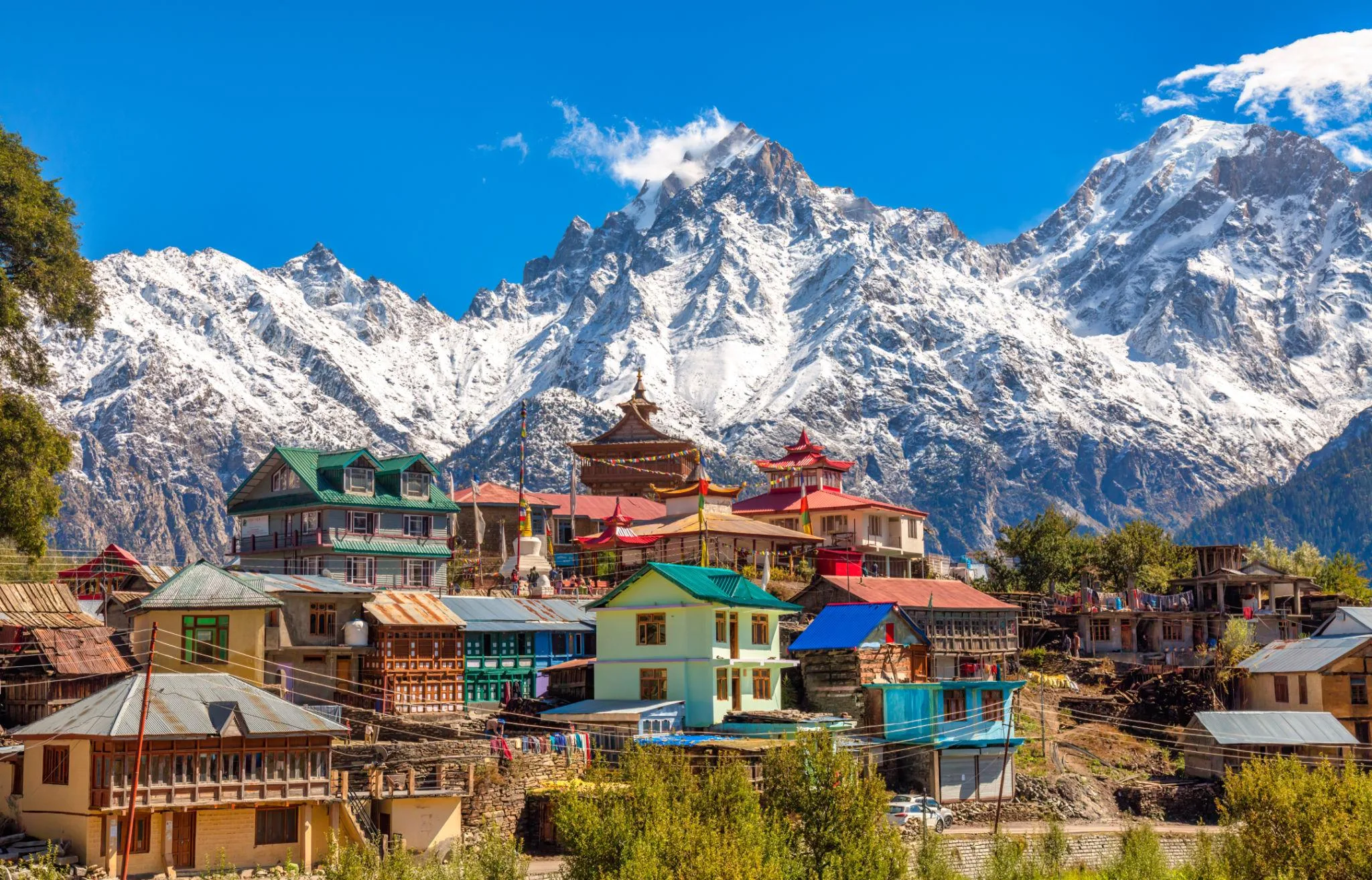
A road trip through Himachal Pradesh is about much more than visiting popular hill stations. Imagine beginning your journey among Shimla’s colonial buildings and pine-covered hills, enjoying the peaceful landscapes of Narkanda, exploring the beautiful villages of Kinnaur, and finally reaching the dramatic mountain deserts of Spiti Valley. Each destination offers a different experience, making this route ideal for travellers who want to discover several sides of the Himalayas in one holiday. Exploring Kinnaur Tour Packages can also help travellers discover scenic villages, mountain viewpoints, and local cultural experiences along the way.
Planning a Shimla to Spiti Valley trip requires a little more preparation than a regular hill-station vacation. The route involves long mountain drives, changing weather conditions, high-altitude destinations and limited services in remote areas. Choosing the right itinerary, travelling in the appropriate season and allowing enough time for acclimatisation can make your journey safer and more enjoyable.
In this guide, you will learn how to plan a multi-destination Himachal holiday, which places to visit along the way, how many days to spend, what budget to expect, and how to prepare for the journey from Shimla to Spiti.


Suggested image set: Shimla, Narkanda, Kinnaur and Spiti Valley. Use descriptive image alt text when publishing the article.
Quick Overview: Shimla to Spiti Valley Road Trip
- Best duration: 9–12 days for a relaxed multi-destination holiday.
- Starting point: Shimla, with onward travel towards Narkanda and Kinnaur.
- Major destinations: Shimla, Narkanda, Sangla, Chitkul, Kalpa, Nako, Tabo, Dhankar, Kaza and Key Monastery.
- Best travel season: Generally June to September for the classic summer road trip, subject to road and weather conditions.
- Ideal travellers: Couples, friends, families with suitable travel plans, photographers and adventure lovers.
- Trip style: Scenic road journey, village stays, monasteries, mountain viewpoints and local cultural experiences.
- Important consideration: This is a high-altitude journey. Road conditions, fuel availability, mobile connectivity and accommodation options become more limited in remote areas.
1. Why Choose a Shimla to Spiti Multi-Destination Holiday?
The biggest advantage of this route is the gradual change in scenery. Around Shimla, you will find forested slopes and traditional hill-station charm. As you travel towards Kinnaur, the landscape opens into deep river valleys, apple orchards and dramatic mountain faces. Further ahead, Spiti introduces a completely different world of dry mountains, ancient monasteries, traditional settlements and wide-open skies.
According to the official Himachal Tourism website, Kinnaur is known for its Sangla Valley, Chitkul village, Kalpa viewpoints and rich cultural heritage. These destinations make a natural addition to a longer Spiti road trip. 【turn515059search1】
A multi-destination holiday also allows you to:
- Explore both popular attractions and quieter Himalayan villages.
- Experience the contrast between green valleys and cold-desert landscapes.
- Visit Buddhist monasteries and learn about local traditions respectfully.
- Enjoy photography, short nature walks and scenic drives.
- Spend time in local homestays rather than rushing between destinations.
Travel planning tip: Do not treat Shimla, Kinnaur and Spiti as separate day trips. They form a long mountain journey, so plan overnight stops and keep a buffer day if your schedule allows.
2. Best Places to Visit on a Shimla to Spiti Road Trip

Shimla – Start Your Himalayan Holiday
Shimla is an excellent starting point for exploring Himachal Pradesh. Spend time around the Ridge, Mall Road and Christ Church, or take a relaxed walk through the town's historic streets. If you enjoy heritage architecture, viewpoints and cafés, give yourself at least one full day before beginning the longer drive towards Kinnaur. Exploring Shimla Tour Packages can help you plan your stay, discover popular attractions and enjoy a comfortable start to your Himachal holiday.
Narkanda – Forests, Orchards and Mountain Views
Narkanda is a peaceful stop beyond Shimla, surrounded by forests and apple-growing areas. Visit Hatu Peak if the road and weather permit, or simply enjoy the quiet mountain atmosphere. An overnight stay here breaks up the drive and makes the first part of your holiday less tiring.
Recommended stay: 1 night, particularly for a relaxed itinerary.

Sangla Valley – A Green Himalayan Escape
Sangla is known for its scenic Baspa Valley, mountain views, traditional settlements and orchards. It provides a beautiful contrast to the more arid terrain further along the route. Enjoy a gentle village walk, photograph the valley and take time to appreciate local architecture and daily life.
Recommended stay: 1–2 nights.

Chitkul – A Scenic Village Near the Indo-Tibetan Border
Chitkul is a memorable stop for travellers who love quiet villages and mountain scenery. Walk through the settlement, admire the surrounding peaks and enjoy views of the Baspa River. Weather can change quickly, and winter access may be affected by snow, so check local conditions before travelling. Travellers exploring Spiti Valley Tour Packages can include Chitkul in their itinerary to experience the scenic beauty of Kinnaur before continuing towards Spiti Valley.
Kalpa – Views of the Kinner Kailash Range
Kalpa is one of the most rewarding places to slow down during your Himachal holiday. It offers striking mountain views, traditional temples and a peaceful village atmosphere. Visit local heritage sites respectfully and allow time for the scenery rather than trying to fit too many activities into one day.
Recommended stay: 1–2 nights.

Nako – A Quiet High-Altitude Village
Nako introduces you to the landscape that gradually leads into Spiti. Its small lake, monastery and traditional village setting make it a worthwhile stop on the way towards Tabo and Kaza. Since Nako sits at a high elevation, take your time, stay hydrated and avoid strenuous activity if you feel unwell.
Recommended stay: 1 night, especially on a slower itinerary.

Tabo – Ancient Monastery and Local Heritage
Tabo is an important cultural stop in Spiti, known for its historic Buddhist monastery and distinctive mud-brick architecture. Explore the monastery according to local visitor rules, and take time to understand the area's Buddhist heritage. Keep photography restrictions and places of worship in mind when visiting.
Recommended stay: 1 night, or a stopover en route to Kaza.

Kaza and Key Monastery – The Heart of Spiti
Kaza is the main town and a practical base for exploring Spiti Valley. From here, plan visits to Key Monastery, nearby villages and selected high-altitude attractions, depending on road conditions. Keep at least two nights in the area to avoid turning every sightseeing day into a long drive.
Recommended stay: 2–3 nights.
3. A Practical 10-Day Shimla to Spiti Valley Itinerary
For most travellers, 10 days is a good starting point for a multi-destination Himachal holiday. It allows time for Shimla, Kinnaur and the main attractions around Kaza without attempting to cover every village.


Suggested itinerary images: the Sutlej Valley road, Spiti's high-altitude settlements and Dhankar Monastery.
4. Best Time to Plan a Shimla, Kinnaur and Spiti Holiday
The right time to travel depends on the kind of experience you want. Although Shimla is a year-round hill station, the higher villages and mountain roads on the route have very different seasonal conditions.

May to June – Early Summer
The weather can be pleasant in lower areas, and the landscape begins to open up for summer travel. Some high-altitude roads may still be affected by snow, especially on routes involving high passes. Check the condition of each road before confirming bookings.

July to August – Summer Road Trip
This is a popular period for exploring Spiti, but monsoon rain can trigger landslides and road closures on the Shimla–Kinnaur approach. A clear forecast does not guarantee safe roads. Keep flexible reservations and avoid travelling through affected stretches until authorities confirm access.

September to Early October – Autumn Scenery
Autumn can bring clear mountain views and changing colours in some valleys. Nights become colder, and snowfall or early closures can affect high passes. This season suits travellers who pack warm layers and keep their itinerary flexible.

November to April – Winter Travel
Winter brings snow and freezing conditions to many high-altitude areas. The Manali–Kaza route over Kunzum Pass generally closes during winter, while the Shimla–Kinnaur route may remain accessible in some periods but can still experience serious disruptions. This is not the easiest time for a first Spiti trip.
The official Spiti Valley tourism guide broadly identifies April to October as a suitable visiting period, but the actual travel window depends on weather and road access. The district administration also advises visitors to check current road status and travel advisories before departure. (Lahaul and Spiti district administration)
My practical recommendation: For a first multi-destination holiday, aim for a period when the route is confirmed open, then choose your exact dates based on current road advisories rather than relying on the calendar alone.
5. How to Reach Spiti Valley from Shimla
The Shimla route is popular because it approaches Spiti through Kinnaur and the Sutlej Valley. It also provides an opportunity to explore Sangla, Chitkul and Kalpa along the way.

By road
The general route is:
Shimla → Narkanda → Rampur → Reckong Peo → Kalpa/Sangla → Nako → Tabo → Kaza
The exact sequence depends on whether you visit Sangla and Chitkul before Kalpa or choose a more direct journey towards Spiti. Allow extra time for narrow roads, traffic, road repairs and weather-related delays.
The district administration lists the Shimla–Kaza road distance at approximately 412 km and estimates about 20 hours of driving time, excluding an overnight halt. For holiday planning, divide this journey into multiple days rather than attempting it in one stretch. Himachal Road Transport Corporation buses and private taxis are options, although schedules and service availability should be confirmed for your dates. (Official route information)
By train
Travellers can take a train to Kalka and continue on the narrow-gauge railway to Shimla, or use a suitable rail connection to Chandigarh. From Shimla or Chandigarh, continue by road. Rail travel is a good option if you want to enjoy the journey before starting your mountain road trip.
By air
Shimla Airport has limited flight options, so check schedules before planning around it. Chandigarh is another practical arrival point for many travellers. Bhuntar Airport serves the Kullu region, but it is not necessarily the most convenient arrival point for a trip starting in Shimla.
Private cab or self-drive?
- Private cab: Useful for families, couples and groups who want flexibility for sightseeing stops.
- Self-drive: Best for experienced mountain drivers who are comfortable with narrow roads, steep gradients and changing conditions.
- Public transport: A budget-friendly choice, but it requires more flexibility around bus schedules and local connections.
For a multi-destination holiday, confirm that the vehicle and driver are suitable for the full route, including remote stretches. Ask about luggage capacity, local taxi requirements and what happens if road closures extend your stay.
6. How Much Does a Shimla to Spiti Trip Cost?
Your total budget depends on travel dates, accommodation, group size, transport and the number of days you spend in the mountains. The following figures are illustrative planning estimates, not live hotel or taxi quotations.
ExpenseEstimated cost per personAccommodation for 9–10 nights, shared room₹9,000–₹18,000Food and refreshments₹4,000–₹7,000Shared transport or group vehicle contribution₹8,000–₹18,000Local sightseeing and activities₹1,500–₹4,000Buffer for extra expenses₹2,000–₹4,000Estimated total₹24,500–₹51,000These estimates exclude travel to Shimla from your home city. Actual costs may be higher during peak season, for solo travellers hiring a private vehicle, or when road closures require additional nights.
Ways to manage your Himachal holiday budget
- Travel with a small group and share the cost of a private vehicle.
- Choose clean guesthouses or homestays instead of luxury properties throughout the trip.
- Book accommodation in advance for popular dates, while checking cancellation terms.
- Keep a separate emergency budget for unexpected overnight stays.
- Carry sufficient cash because digital payment facilities may be unreliable in remote areas.
- Avoid booking a tightly scheduled itinerary that becomes expensive if even one road closes.
If you are comparing Himachal Tour Packages, look carefully at the number of nights, vehicle type, meal plan, sightseeing inclusions and cancellation terms. A lower advertised price is not necessarily better if it leaves out essential transport or offers too little time at each destination.
7. Important Travel Tips for a Safe Spiti Road Trip
A beautiful itinerary is only part of a successful mountain holiday. Preparation is especially important when you travel through remote valleys and high-altitude settlements.
Take altitude seriously
Spiti's high elevation can cause altitude-related illness. Increase altitude gradually where possible, avoid strenuous activity when first arriving at high elevations, and learn the warning signs of altitude sickness. A severe or worsening headache, vomiting, confusion or breathlessness at rest requires urgent medical attention and descent where possible. Consult a healthcare professional before travel if you have concerns about high-altitude exposure.
Check road and weather updates daily
Confirm conditions with local authorities and your accommodation before starting long drives. Keep a buffer day because landslides, snow and damaged road sections can disrupt plans.
Plan fuel and cash carefully
Fuel stations and ATMs are less frequent in remote areas. Ask your driver about the next reliable fuel stop and carry enough cash for small purchases, meals and accommodation.
Prepare for limited connectivity
Download offline maps, save hotel details and share your itinerary with someone at home. The Kinnaur tourism information notes that connectivity varies by location, and internet access may be limited outside the main towns.
Pack for changing temperatures
Bring warm layers, a windproof jacket, comfortable walking shoes, sunglasses, sunscreen, personal medication and basic first-aid supplies. Even summer evenings can be cold in higher villages.
Carry identification and check permit rules
Indian citizens and foreign nationals may have different entry requirements for certain border-area locations. Verify the latest rules for your nationality and intended stops before travelling. Keep identification accessible.
The Himachal Pradesh Tourism Development Corporation's travel tips also recommend respecting local customs, disposing of waste responsibly, carrying identification and checking requirements for certain border areas. Foreign visitors should verify applicable permit rules with the relevant district authorities. (HPTDC travel guidance)
8. What to Pack for a Shimla to Spiti Holiday
Your luggage should suit both the milder hill-station climate and the colder, drier conditions of Spiti.


Use this checklist before departure:
- Warm base layers, fleece and an insulated jacket.
- Windproof and waterproof outerwear.
- Comfortable shoes with good grip.
- Sunglasses, sunscreen, moisturiser and lip balm.
- Reusable water bottle and personal medication.
- Identification, booking confirmations and emergency contacts.
- Power bank, charging cables and offline navigation.
- Cash for remote villages and places with limited digital payments.
- Small daypack for village walks and sightseeing.
Do not overpack. A compact bag is easier to manage when changing accommodation, getting into smaller vehicles or walking around traditional villages.
9. Responsible Travel in Kinnaur and Spiti
The charm of a Himachal road trip comes from its landscapes and communities. Responsible travel helps preserve both.
- Buy food and handicrafts from local businesses when possible.
- Ask before photographing residents, homes or religious ceremonies.
- Follow monastery rules and avoid disturbing prayer sessions.
- Carry reusable bottles and bring back your rubbish.
- Stay on established paths rather than walking on fragile slopes or riverbanks.
- Avoid loud music in villages and near monasteries.
- Respect local advice during bad weather or road closures.
In remote mountain regions, responsible choices matter. Local communities depend on fragile environments, limited infrastructure and seasonal resources, so visitors should aim to leave each place as they found it.
10. How to Choose the Right Himachal Tour Package
A planned package can simplify transport and accommodation across multiple destinations, especially if you are visiting Spiti for the first time. However, the itinerary should match your travel style and allow enough time for the road conditions.
Before booking, compare these details:
- Route and duration: Check whether the package genuinely includes Shimla, Kinnaur and Spiti, rather than only passing through them.
- Accommodation: Confirm overnight stops, room-sharing arrangements and the type of property in remote villages.
- Transport: Ask whether the vehicle is private or shared, and confirm the inclusions for local sightseeing.
- Meals: Verify which meals are included and where food will be available during long drives.
- Flexibility: Understand the policy for road closures, weather disruptions, extra nights and missed sightseeing.
- Safety: Ask about driver experience, emergency arrangements and the pace of travel at high altitude.
- Permits and exclusions: Confirm which permits, entry fees and activities are included, where applicable.
If you are researching Himachal Tour Packages or a more specialised Spiti itinerary, compare the total experience rather than the headline price alone. A sensible route with adequate rest and realistic driving times is more valuable than an itinerary that tries to fit too many destinations into too few days.
For more trip ideas and itinerary planning, explore Vayable Trip and compare options that fit your dates, budget and preferred travel pace.
11. Frequently Asked Questions About a Shimla to Spiti Valley Trip
1. How many days are enough for a Shimla to Spiti Valley trip?
Around 9–12 days is a practical starting point for visiting Shimla, Narkanda, Kinnaur and the main attractions around Kaza. Add more days if you want to travel slowly or include the return journey with several overnight stops.
2. What is the best route from Shimla to Spiti Valley?
The usual route runs from Shimla through Narkanda, Rampur, Kinnaur and Nako before reaching Tabo and Kaza. The exact route and stops depend on road conditions and your itinerary.
3. Is the Shimla to Spiti road open throughout the year?
The Shimla–Kinnaur approach is often more suitable for year-round access than the high-pass route from Manali, but it can still be affected by snow, landslides and road damage. Always check the latest official road status before leaving.
4. Which is better for a Spiti trip: Shimla or Manali?
Shimla is a good choice if you want to explore Kinnaur, Sangla, Chitkul and Kalpa before reaching Spiti. Manali is useful for travellers planning a route through Lahaul and Kunzum Pass when that route is open. Your choice should depend on the season, available days and current road conditions.
5. Can I complete a Shimla to Spiti trip in seven days?
Yes, a seven-day trip may be possible if you focus on fewer destinations and have confirmed transport and road access. However, covering Shimla, Sangla, Chitkul, Kalpa, Tabo and Kaza in seven days can feel rushed, especially if you also need to return to Shimla.
6. Is a Shimla to Spiti trip suitable for families?
It can suit families who are comfortable with long road journeys and high-altitude travel. Choose shorter driving days, comfortable accommodation and a flexible itinerary. Families travelling with young children, older adults or anyone with relevant medical concerns should seek appropriate medical advice before planning high-altitude travel.
7. Is Spiti Valley suitable for first-time mountain travellers?
Yes, provided the trip is planned carefully. Choose an experienced mountain driver, allow time to adjust to altitude, avoid rushing between destinations and understand the signs of altitude-related illness.
8. What is the approximate budget for a Shimla to Spiti trip?
A shared, budget-conscious 9–10-night trip might cost approximately ₹24,500–₹51,000 per person, excluding travel to Shimla. This is an indicative estimate; actual costs depend on group size, transport, accommodation and season.
9. Do Indian citizens need a permit to visit Spiti Valley?
Requirements depend on the specific location. Ordinary tourist travel to many commonly visited areas is possible without a special permit for Indian citizens, but certain restricted or border areas may have additional rules. Check the latest official district guidance for your planned stops.
10. Do foreign tourists need permits for Kinnaur and Spiti?
Some border-area locations have permit requirements for foreign nationals. Rules vary by location and may change, so check with the relevant district administration before travelling. The Kinnaur district tourism guide provides information about protected areas and permit procedures.
11. Can I visit Chitkul and Kalpa on the way to Spiti?
Yes. Both are in Kinnaur and can be included before continuing towards Nako, Tabo and Kaza. Allow additional time because visiting Sangla and Chitkul involves a detour from the most direct route.
12. Is mobile network connectivity available in Spiti Valley?
Connectivity varies between villages and providers. Do not rely on continuous internet access in remote areas. Download offline maps, save booking details and tell someone your travel plan.
13. What type of vehicle is best for a Spiti road trip?
A well-maintained vehicle with a capable driver and suitable ground clearance is a sensible choice for many mountain routes. Vehicle suitability depends on the actual road condition, weather and itinerary. Do not assume that a particular vehicle can safely cross every route.
14. What should I pack for Spiti Valley in summer?
Pack warm layers, a windproof jacket, comfortable shoes, sunscreen, sunglasses, personal medication, a reusable water bottle and essential travel documents. Temperatures can fall considerably at night, even during summer.
15. Can I travel from Shimla to Spiti during the monsoon?
It may be possible, but monsoon travel carries risks from landslides, heavy rain and road closures, particularly on the approach through Kinnaur. Check official advisories and postpone travel through affected sections until authorities confirm it is safe.
16. Is it possible to visit Spiti Valley in winter?
Winter travel is possible in some areas, but conditions are challenging. Freezing temperatures, snowfall, limited services and road closures can affect the journey. Winter visitors need suitable preparation, flexible plans and current local guidance.
17. Which villages should I include in a Kinnaur and Spiti itinerary?
Sangla, Chitkul, Kalpa, Nako and Tabo are excellent options. If you have additional time and suitable road access, consider villages around Kaza, including Kibber.
18. Is a private cab worth booking for this route?
A private cab offers flexibility for photography stops, overnight halts and local sightseeing. It can be particularly useful for families or groups. Compare the full-trip price, driver experience, vehicle type and arrangements for unexpected delays.
19. Are hotels and homestays available throughout the route?
Accommodation is available in major stops and several villages, but the range of options becomes more limited in remote areas. Confirm availability before travelling, particularly during busy periods and winter.
20. How can I plan a multi-destination Himachal holiday on a budget?
Travel in a group, share transport costs, choose suitable guesthouses, book essential stays in advance and keep an emergency fund. Most importantly, allow enough time for the route instead of trying to save money through an unrealistic schedule.
Conclusion: Make Your Himachal Road Trip About the Journey
A holiday from Shimla to Spiti is an opportunity to experience several different Himalayan landscapes in one trip. Begin with Shimla's heritage and mountain views, slow down in Narkanda, explore the green valleys of Kinnaur and then continue towards Spiti's monasteries, traditional villages and striking cold-desert scenery.
The secret to planning a successful trip is not visiting the maximum number of places. It is allowing enough time to appreciate each destination, checking road conditions before every long drive and respecting the challenges of high-altitude travel.
Whether you are planning independently or comparing Himachal Tour Packages, build your itinerary around realistic driving times, comfortable overnight stops and a flexible schedule.
Start planning your next Himalayan adventure with Vayable Trip and find a travel plan that suits your budget, interests and preferred pace.