
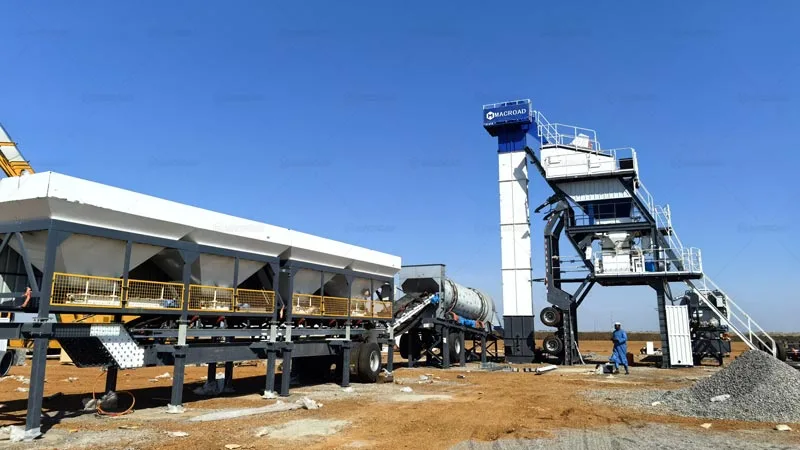
Infrastructure expansion across Latin America demands durable heavy equipment, reliable technical support, and seamless supply chain logistics. Road building projects across the continent often span remote mining districts, high-altitude mountain corridors, and coastal transport routes. For contractors importing specialized machinery, maintaining an uninterrupted workflow is essential to project profitability and timeline adherence. Operating a high-capacity hot mix asphalt plant(planta de asfalto en caliente) far from domestic manufacturing hubs introduces distinct operational challenges, ranging from aggregate calibration to severe component wear caused by abrasive local stone.
To mitigate costly downtime, project managers must adopt a comprehensive equipment lifecycle strategy. This integrated approach begins with thorough site preparation and extends through rapid installation, operator training, and ongoing technical service. Implementing a flexible portable asphalt plant allows contractors to adapt to moving job sites while maintaining consistent output quality, provided the equipment is backed by responsive after-sales support.
Strategic Installation and Site Setup in Remote Regions
Executing asphalt production in Latin America requires detailed planning long before the first batch of raw aggregate is fed into the dryer drum. Soil stability, high elevation, and variable moisture levels in local quarry materials directly impact machine throughput and overall paving speed.
Pre-Commissioning Calibration and Modular Assembly
Installing an imported hot mix asphalt plant in high-altitude or humid tropical environments demands meticulous site preparation. Modern modular machinery designs accelerate on-site assembly, significantly reducing the reliance on heavy crane rentals in isolated mountain locations. Selecting a well-engineered portable asphalt plant(planta de asfalto portátil) ensures fast deployment without sacrificing structural stability, batching accuracy, or structural safety.
Adapting to Diverse Elevation and Climate FactorsBurner efficiency and air-to-fuel ratios fluctuate significantly at high altitudes, such as in Andean mining corridors. Field technicians must calibrate the burner and draft airflow during initial setup to maintain target batching temperatures without causing excessive fuel consumption or uneven drying.
Integrating Mining Aggregate Production with Asphalt Mixing
A reliable aggregate supply forms the foundation of durable road construction. Mining crushing facilities process raw granite, basalt, or limestone, which must meet strict gradation and moisture specifications before entering the mixing tower.
Optimizing Cold Feed Bin Systems for Abrasive AggregatesMatching cold feed hopper configurations and belt speeds to local aggregate characteristics prevents bin blockages and uneven material flow. Proper calibration protects the hot mix asphalt plant from premature mechanical wear while maintaining uniform mix formulas.
Robust After-Sales Service and Preventive Maintenance
Once commissioning is complete, long-term project success hinges on responsive after-sales assistance and structured preventive maintenance protocols tailored to rugged Latin American geographies.
Establishing Regional Spare Parts Repositories
Equipment breakdowns in remote mining regions can halt paving operations for weeks if replacement components must be shipped internationally. Equipment manufacturers servicing Latin American markets must establish localized spare parts hubs. Stocking critical wear items—such as mixer wear plates, vibrating screen meshes, and burner nozzles—ensures that a portable asphalt plant remains active even during intensive multi-shift project schedules.
Specialized Operator Training and Digital Support Systems
Empowering local site operators through structured technical training improves daily maintenance habits, machine efficiency, and workplace safety.
Real-Time Remote Technical AssistanceModern control platforms feature advanced remote diagnostic capabilities via cloud telemetry. When unexpected electrical or automation issues arise, overseas support engineers can access the control panel of the hot mix asphalt plant remotely, diagnosing software faults and guiding on-site technicians to quick resolutions without travel delays.
Maximizing Lifetime Efficiency Across Latin American Job Sites
Contractors working across expanding highway networks and mining transport corridors benefit from equipment solutions that balance high mobility with heavy-duty output capacity.
Key Factors for Operational Mobility and Efficiency
- Dynamic Relocation: As mining road contracts progress across lengthy geographic territories, relocating production hubs becomes essential. Deploying a versatile portable asphalt plant allows construction crews to move closer to active paving fronts.
- Temperature Preservation: Shorter haul distances for finished asphalt prevent thermal segregation during transit over unpaved access roads.
- Fuel Economy: Placing the plant near active job sites lowers total fuel consumption across the transport truck fleet.
Tailored Service Contracts for Continuous Uptime
Customized after-sales service packages, including scheduled inspection visits by certified field engineers, help identify component fatigue before major breakdowns occur. Regular burner tuning and baghouse filter inspections keep every hot mix asphalt plant operating at peak thermal efficiency and meeting local environmental compliance standards.
Sustaining High-Yield Paving Operations for the Long Term
Achieving continuous productivity in Latin American highway and mining projects requires more than just high-performance machinery. It demands an integrated operational partnership spanning initial site setup, local aggregate integration, and proactive after-sales service. By pairing a dependable portable asphalt plant with localized technical support and reliable spare parts availability, infrastructure contractors can conquer tough geography, minimize operational risk, and deliver high-quality paving results on schedule.