
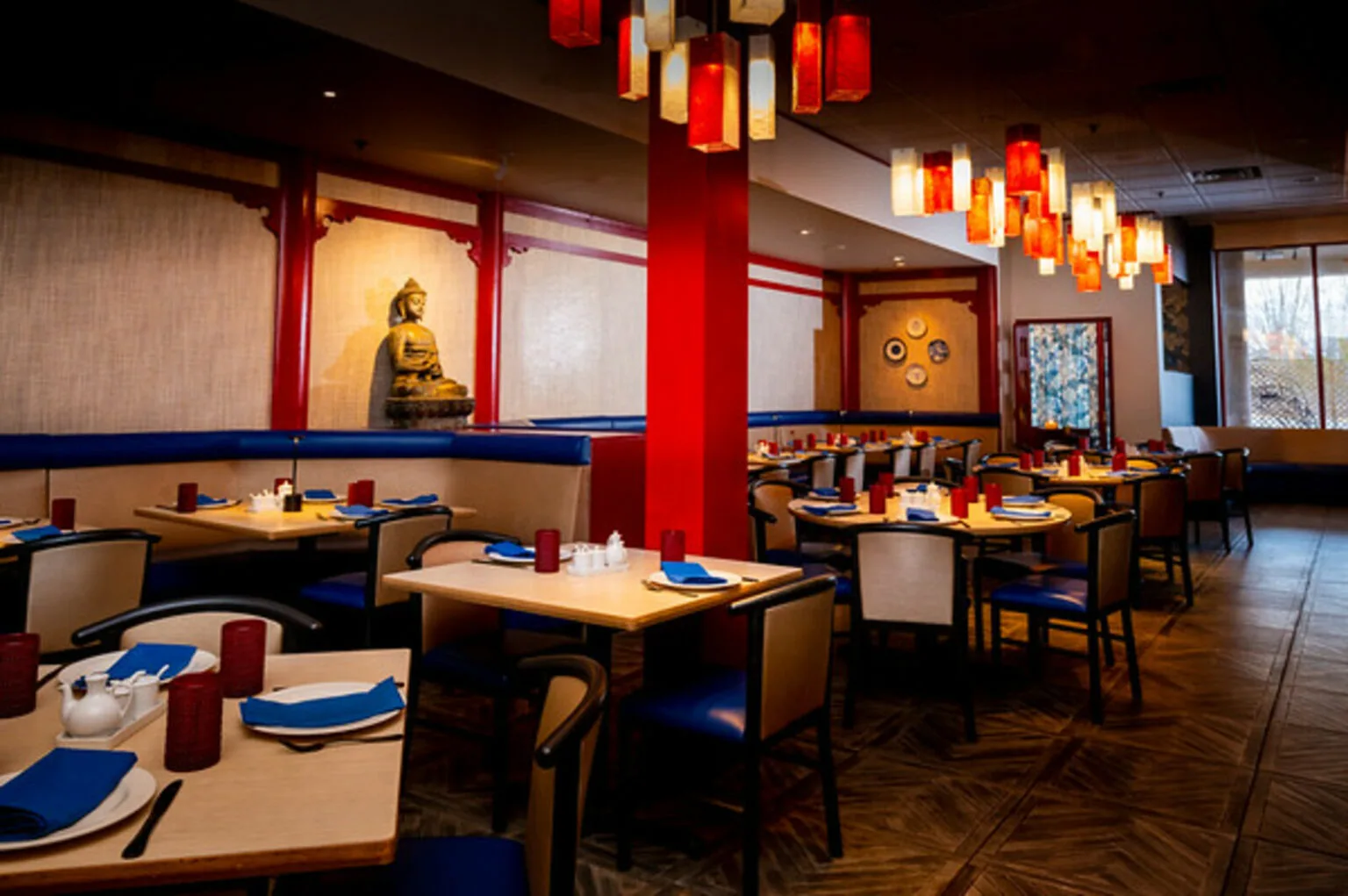
Seafood has a special place in New Jersey’s dining scene, where people look for fresh flavors, varied preparations, and meals that suit different tastes. The appeal of seafood restaurants NJ diners visit goes beyond the catch itself. The choice of ingredients, cooking methods, seasoning, and the variety of dishes on offer all influence the experience. Restaurants serving Asian cuisine add another dimension by pairing seafood with bold sauces, traditional spices, and familiar cooking styles.
What Makes a Seafood Dining Experience Worthwhile?
A good seafood meal depends on more than the main ingredient. Preparation and seasoning determine how well the flavors come together. Some diners prefer lightly seasoned fish, while others enjoy seafood cooked with chili, garlic, ginger, or rich sauces.
The menu also matters. A restaurant with several seafood preparations gives diners room to choose according to their preferences, whether they enjoy mild flavors or dishes with a stronger kick.
When exploring seafood restaurants NJ has to offer, diners can consider a few practical details:
- Menu variety: Different fish, shellfish, and cooking styles provide more choices.
- Preparation: Proper cooking helps preserve the seafood’s texture and flavor.
- Seasoning: Sauces and spices should complement the seafood rather than overpower it
- Meal options: Appetizers, rice, noodles, and vegetable dishes can round out the meal.
Asian Cooking Brings Different Flavors to Seafood
The Role of Chinese Cooking Techniques
Chinese cuisine offers several ways to prepare seafood, from stir-frying to cooking ingredients with savory sauces and aromatic seasonings. Garlic, ginger, chili, and soy-based flavors can bring depth to fish and other seafood without relying on a single seasoning style.
This variety is one reason diners may look beyond restaurants focused exclusively on seafood. A Chinese food menu featuring seafood alongside poultry, vegetables, noodles, and rice allows people at the same table to order different dishes and share the meal.
The combination of seafood with traditional Chinese flavors also provides alternatives to simple grilled or fried preparations. For diners who enjoy stronger seasoning, chili-based sauces and regional Chinese-inspired dishes can offer a different experience.
Balancing Seafood With Other Menu Choices
Not everyone in a dining group wants seafood. Some prefer chicken, lamb, paneer, or vegetable dishes, while others want noodles or rice with their meal. A broader menu makes group dining easier because guests can select dishes according to their tastes.
A Chinese food menu that includes several categories also gives diners more flexibility when ordering a complete meal. They might begin with an appetizer, choose a seafood entrée, and share noodles or vegetables with the table. The result is a meal with a range of textures and flavors rather than one built around a single dish.
Why Menu Variety Matters in New Jersey
New Jersey diners have plenty of choices when deciding where to eat, from casual neighborhood restaurants to places suited to family dinners and group gatherings. Seafood can be a central attraction, but a varied menu often makes a restaurant more practical for different occasions.
When comparing seafood restaurants NJ diners can visit, it helps to look at the full selection rather than judging a restaurant by one popular dish. Consider whether the menu accommodates different spice preferences, dietary choices, and appetites.
A restaurant offering both seafood and other Asian specialties can serve a group without requiring everyone to compromise on their order. This is particularly useful for family meals, where preferences often vary from person to person.
What to Look for Before Ordering Seafood
Read the Menu Carefully
A detailed menu helps diners understand how seafood dishes are prepared and what flavors to expect. Descriptions mentioning chili, garlic, ginger, or specific sauces can help identify dishes that match individual preferences.
It is also worth checking the available accompaniments. Rice, noodles, and vegetables can make a seafood entrée more filling, while appetizers provide an opportunity to try different flavors before the main course.
For those comparing seafood restaurants NJ offers, useful questions include:
- Are several seafood preparations available?
- Does the menu explain the main ingredients and sauces?
- Can diners choose from seafood, meat, and vegetarian dishes?
- Are online ordering and dine-in options available?
Consider the Restaurant’s Overall Menu
For instance, Ming Restaurant in Edison defines how seafood fits into a broader Pan Asian dining experience. Its menu draws on Chinese, Thai, and Indonesian influences and includes seafood alongside poultry, lamb, vegetarian dishes, noodles, soups, and other options.
Chinese food menus within a wider Pan Asian offering gives diners an opportunity to explore different flavors in one place. Rather than limiting a meal to a single cuisine or ingredient, guests can choose combinations that suit their tastes.
Conclusion
Choosing a seafood restaurant comes down to the quality of the food, the preparation, the seasoning, and the range of dishes available. New Jersey’s varied dining scene gives seafood lovers plenty to consider, including restaurants that combine seafood with traditional Asian cooking. For diners exploring a Chinese food menu, they should look for a place that suits both individual preferences and group meals. A thoughtful selection of seafood and complementary dishes makes the experience more enjoyable, whether the occasion is a casual lunch or dinner with family and friends.