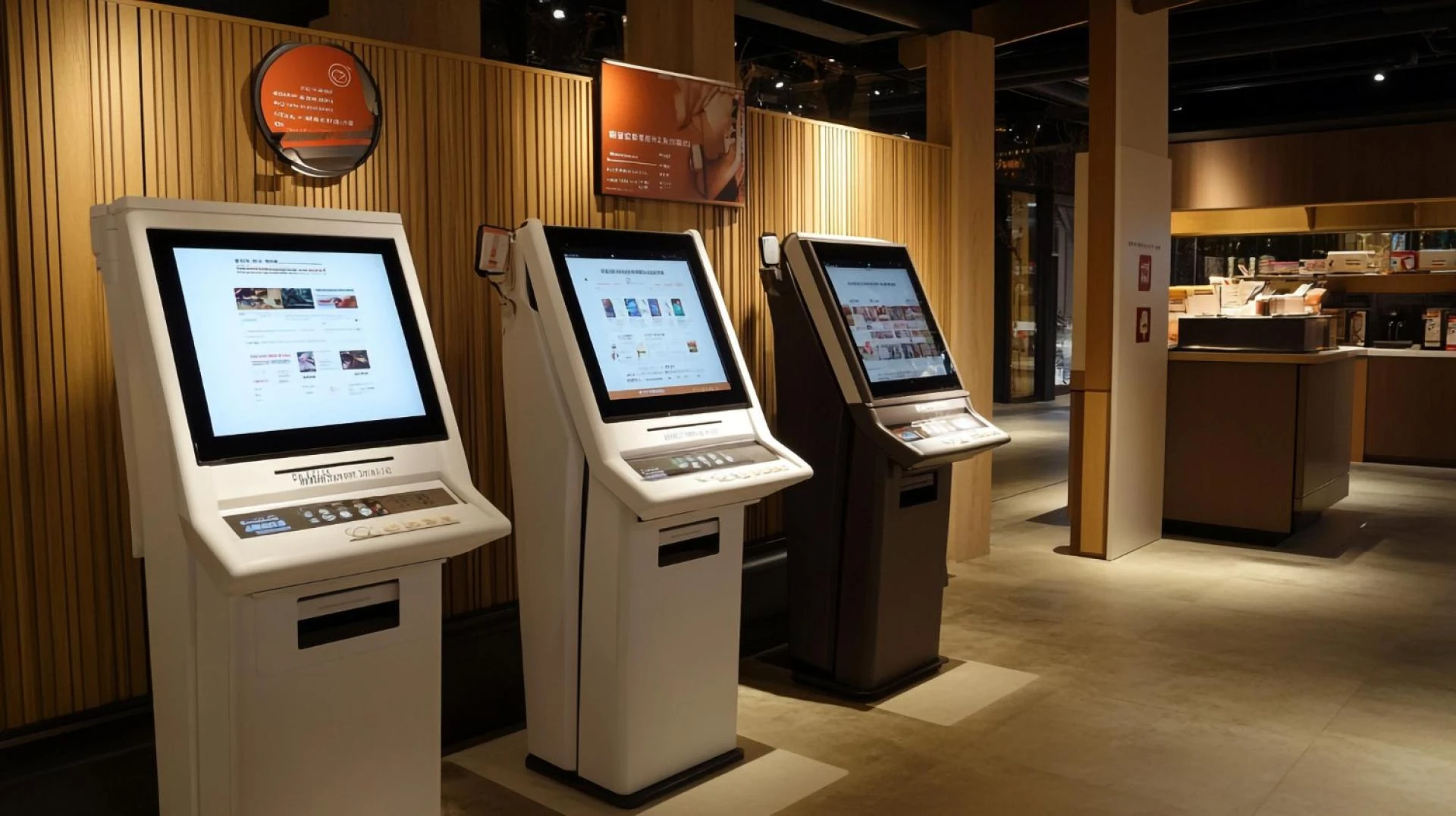
Customer service is no longer confined to human interactions. In a world where digital transformation is remodelling industries, interactive kiosk software has emerged as a game-changer.
Whether it’s a self-service check-in at the airport or a video teller machine at a bank, these innovative solutions transform how businesses interact with customers. But how did we get here? And what makes these kiosks the future of seamless customer experiences?
The Evolution: From Basic Interfaces to AI-Powered Solutions
Interactive kiosks have come a long way from simple touch screens offering limited functionality. Initially, kiosks were basic systems that helped reduce queues by allowing customers to handle ticketing, payments, and information inquiries. However, the fundamental transformation happened when advanced technologies like AI, IoT, and machine learning were integrated into kiosk solutions.
Today’s interactive kiosks are not just about reducing wait times—they’re about personalizing customer interactions, improving efficiency, and creating a frictionless experience. Whether it's retail, banking, healthcare, or hospitality, kiosks empower businesses to offer round-the-clock services without compromising quality.
Why Are Interactive Kiosks Software Gaining Traction?
1. Seamless Self-Service for Faster Resolutions
Modern customers crave convenience. Interactive kiosks software allows them to complete transactions without waiting in long lines or interacting with customer service representatives.
For instance, in retail, kiosks enable customers to browse products, check inventory, and make payments, all while avoiding the hassle of waiting. Similarly, video teller machine solutions in the banking sector provide face-to-face assistance through video conferencing, ensuring personalized banking services without physical branch visits.
Some of the benefits are:
a. Reduces operational costs by minimizing the need for human staff.
b. Enhances customer satisfaction with faster service delivery.
c. Increases customer engagement through intuitive interfaces.
2. Personalized Customer Interactions Through AI
AI-driven kiosks go beyond processing transactions—they learn and adapt to user preferences. By collecting and analysing customer data, these kiosks offer personalized recommendations and tailor the user experience.
In retail, for example, interactive kiosks can suggest similar products based on browsing history or past purchases. In banking, a video teller machine solution can provide customized financial advice by analysing transaction patterns and customer profiles.
They are also:
a. Strengthens customer loyalty by offering a more personalized experience.
b. Increases upselling and cross-selling opportunities.
c. Provides real-time insights for better decision-making.
3. Round-the-Clock Service Availability
Unlike human employees, interactive kiosks operate 24/7. This means that businesses can serve customers at all hours, eliminating the constraints of regular business hours.
Video teller machine solutions are a perfect example of this benefit. Banks can offer face-to-face assistance to customers even after traditional branch hours. Customers can speak to a live teller through a secure video connection and perform tasks such as account inquiries, deposits, or withdrawals without stepping into a branch.
They also:
a. Expands service availability beyond regular hours.
b. Enhances customer convenience and satisfaction.
c. Reduces the workload for human staff.
How Do Video Teller Machine Solutions Work?
1. Biometric Authentication: Ensuring Secure Access
Video teller machines (VTMs) integrate biometric authentication, such as fingerprint and facial recognition, to guarantee secure transactions. This adds a layer of security and makes sure that the right customer is accessing the services. With biometric verification, VTMs prevent unauthorized access and protect sensitive customer data.
2. Secure Video Collaboration: Personalized Face-to-Face Interaction
Video teller machine solutions provide real-time, high-definition video collaboration between customers and bank representatives. Customers can engage with live tellers at a physical branch while maintaining a secure connection. The system uses encrypted video channels to ensure customer privacy and data security.
3. Unified Routing: Directing Customers to the Right Expert
VTMs use unified routing technology to route customer inquiries to the most appropriate representative automatically. Whether it’s a routine account inquiry, loan application, or dispute resolution, the system intelligently assigns the right expert to efficiently address the customer’s needs.
4. Contact Center Integration: Enhanced Customer Service
VTMs seamlessly integrate with contact center platforms, allowing agents to provide regular support across multiple channels. This integration ensures that customer data is available to the teller and the contact center agent, enabling a smooth and personalized customer journey.
5. 24×7 Remote Assistance: Extending Branch Services Beyond Hours
The most significant advantage of video teller machine solutions is the capability to offer 24/7 remote assistance. At any time, customers can complete complex banking tasks, such as loan approvals, account modifications, and more. The system connects them to a remote teller who can guide them through the process, ensuring human support is available around the clock.
Why This Matters:
a. Reduces dependency on physical branch visits.
b. Provides continuous customer support beyond working hours.
c. Enhances security and trust through biometric and encrypted communication.
Exploring Key Industries: Where Interactive Kiosks Are Making an Impact
1. Banking and Financial Services: Redefining Convenience
Video teller machine solutions are revolutionizing banking by bridging the gap between physical branches and online services. Customers can now conduct complex banking operations while interacting with a remote teller, ensuring a personalized experience without visiting a branch.
To maintain data integrity, these kiosks have advanced security features like biometric verification and encryption protocols.
Why It Matters:
a. Provides banking services in remote areas where branches are limited.
b. Reduces overhead costs by decreasing the need for additional staff.
c. Improves customer satisfaction by offering quick, personalized service.
2. Retail: Enhancing Customer Shopping Journeys
In retail, interactive kiosks streamline the shopping experience by helping customers find products, compare prices, and make payments effortlessly. Self-checkout kiosks are now standard in supermarkets, allowing customers to complete purchases quickly.
Additionally, AI-powered kiosks can offer personalized recommendations based on customer preferences, making shopping faster and more enjoyable.
Why It Matters:
a. Increases sales by suggesting relevant products.
b. Reduces cart abandonment by minimizing wait times.
c. Enhances customer satisfaction through a smoother experience.
3. Healthcare: Improving Patient Experiences
Interactive kiosks in healthcare settings simplify the patient check-in process, appointment scheduling, and bill payments. These systems minimize the administrative burden on healthcare staff and allow patients to access services efficiently.
AI-powered kiosks can also guide patients through symptom assessments and direct them to the appropriate department, ensuring faster service and reducing wait times.
Why It Matters:
a. Reduces the workload on front-desk staff.
b. Enhances patient experience by minimizing wait times.
c. Improves data accuracy by capturing patient information efficiently.
4. Hospitality: Elevating Guest Experiences
From hotel check-ins to ordering room service, interactive kiosks enhance the hospitality industry by offering guests a seamless, self-service experience. Guests can check in, select their preferred rooms, and even make special requests through intuitive interfaces.
Why It Matters:
a. Speeds up the check-in process, decreasing wait times.
b. Offers guests a personalized experience through AI recommendations.
c. Reduces staffing needs during peak hours.
Integrating Advanced Technologies: The Future of Interactive Kiosks
1. AI and Machine Learning: Enhancing Decision-Making
AI-powered kiosks are not just reactive—they’re predictive. These kiosks learn customer behaviours and anticipate needs, offering suggestions that enhance the overall experience. Whether recommending financial products at a video teller machine or suggesting a meal at a restaurant, AI ensures that kiosks stay ahead of customer expectations.
2. Biometric Authentication for Enhanced Security
Modern interactive kiosks integrate biometric authentication, such as fingerprint and facial recognition, to secure transactions. This make sure that sensitive customer data remains protected, especially in sectors like banking and healthcare.
3. Cloud Connectivity for Seamless Operations
Cloud-based interactive kiosks allow real-time updates and remote monitoring, ensuring smooth operations and minimizing downtime. Cloud integration enables kiosks to handle data analytics, providing valuable insights into customer behavior and system performance.
Addressing Challenges: What Lies Ahead for Kiosk Technology
1. User Privacy and Data Security
As interactive kiosks gather more data, protecting user privacy becomes paramount. Businesses must adopt robust encryption protocols, regular audits, and consent with data privacy regulations to maintain customer trust.
2. Seamless Integration with Existing Systems
For businesses adopting interactive kiosks, ensuring seamless integration with existing POS systems, CRM software, and payment gateways is essential. Poor merges can lead to inefficiencies and operational bottlenecks.
3. Maintenance and Technical Support
Regular maintenance and timely technical support are crucial for maintaining consistent functionality. Businesses must invest in proactive maintenance plans to prevent system downtime.
Why Businesses Should Embrace Interactive Kiosks Today
Interactive kiosk software is no longer an emerging technology—it’s necessary for businesses attempting to enhance customer experiences, reduce operational costs, and stay competitive.
As industries adopt these advanced systems, the gap between traditional service models and digital convenience will widen.
Businesses can redefine service standards and build stronger customer connections by incorporating video teller machine solutions and AI-powered kiosks into their customer service strategies.
The Future Is Self-Service
The shift toward self-service is irreversible. Customers prefer control over their interactions, and businesses that identify and adapt to this trend will thrive. Interactive kiosk software is not just transforming customer service—it’s redefining how businesses operate, offering flexibility, efficiency, and personalization.
If your business is ready to embrace the future of customer service, now is the time to invest in interactive kiosks. The possibilities are endless, and the rewards are unparalleled.