
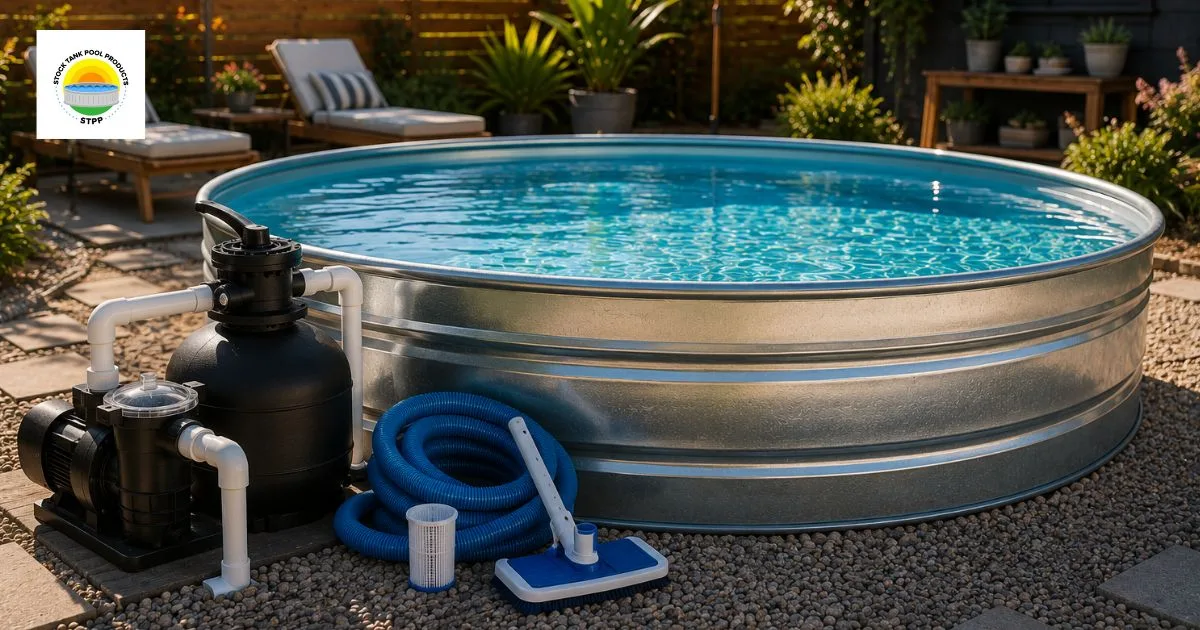
I'll be upfront — when I first came across stock tank swimming pools on social media, I thought it was just another fleeting trend. A galvanized metal tub dressed up with some wood decking and fairy lights, made to look fancier than it actually was. I scrolled past it a dozen times before curiosity finally won. Then I started digging deeper, talked to a few people who actually owned one, and within two months, we had one sitting in our backyard.
That was three summers ago. And honestly? It's one of the best decisions we've made for our home.
But I'm not here to just sell you on the idea. I want to share the real story — including the parts that surprised us, the mistakes we made early on, and the two additions that completely transformed our experience. If you're seriously considering this for your own backyard, keep reading.
Why Stock Tank Swimming Pools Are More Than Just a Trend
There's a reason stock tank swimming pools have gone from quirky DIY experiment to a legitimate backyard staple. It's not just about aesthetics, although there's no denying they look incredible when done right. It's about what they offer that traditional above-ground pools simply can't match.
For starters, the build quality of a galvanized steel tank is genuinely impressive. These things were originally designed to hold hundreds of gallons of water for livestock — day in, day out, in all kinds of weather. That same durability translates beautifully into a backyard pool that doesn't fade, crack, or deflate on you after one season.
Then there's the depth. Most stock tank swimming pools sit at around 24 inches deep, which is ideal for adults who want to lounge and cool off, and safe enough for kids to splash around with proper supervision. It hits a sweet spot that shallow inflatables miss entirely.
And the size options are genuinely flexible. You can go with a compact 6-foot round tank for a small patio, or scale up to a 10-foot tank for a family setup. Some people even go oval or rectangular for a more traditional pool look. The point is, you're not locked into one configuration — and that flexibility is something we really appreciated when planning our space.
Our First Summer Was Humbling — Here's What Went Wrong
I won't pretend our first season was seamless. We set everything up ourselves, filled the tank, added chemicals, and thought we were done. Two weeks later, the water was murky, there was debris sitting on the bottom, and our kids were reluctant to get in — and honestly, I didn't blame them.
The two things we were missing became very clear very quickly.
First, we hadn't budgeted for a proper vacuum. Debris settles fast in a tank that size, and a filter alone doesn't pull it off the bottom. The moment we added a blue pool vacuum kit to our setup, the difference was immediate and dramatic. The floor of the tank went from grimy to genuinely clean within a single session. We use our blue pool vacuum kit at least twice a week now, and it connects directly to our pump's suction line — so there's no extra equipment to power or store. Simple, effective, and honestly something every stock tank pool owner should have from day one.
Second, we had underestimated how much our plumbing setup mattered. The fittings we'd installed ourselves weren't quite right, and we had a slow but persistent drip that drove us absolutely crazy all summer. That leads me to the part of this post I wish I'd had access to before we started.
The Case for Hiring Stock Tank Pool Installers
Here's something the DIY tutorials don't always acknowledge: getting the plumbing and pump installation right is genuinely the hardest part of the whole process. Everything else — filling the tank, adding chemicals, setting up accessories — is straightforward. But drilling into a metal tank, fitting the through-hull fittings correctly, and making sure every connection is properly sealed takes a level of precision that's easy to underestimate.
After our leaky first summer, we brought in stock tank pool installers to redo our pump and plumbing setup before season two. The difference was night and day. Everything was sealed properly, the pump was positioned correctly for optimal water circulation, and we haven't had a single drip since. It took them just a few hours to do what had taken us an entire weekend — and do it far better.
I'm not saying you can't DIY it. Plenty of people do, and do it well. But if you're not confident with basic plumbing, or if you've already tried and run into problems, don't hesitate to call in professional stock tank pool installers. The cost is absolutely worth it when you consider the time, frustration, and potential water damage you're avoiding. A properly installed system also runs more efficiently, which means better water quality and lower long-term maintenance.
What a Complete, Well-Equipped Setup Actually Looks Like
After three seasons of learning, adjusting, and upgrading, here's what our stock tank pool setup includes — and what we'd recommend to anyone starting fresh:
- A properly sized pump and cartridge filter, installed with correctly sealed fittings on opposite sides of the tank for even water circulation.
- A blue pool vacuum kit connected to the pump's suction line, used regularly to keep the floor clean between filter cycles.
- A floating skimmer basket to catch surface debris before it sinks.
- A reliable test kit for monitoring pH, chlorine, and alkalinity at least twice a week.
- A wood or composite surround, both for aesthetics and to protect bare feet from the metal edge of the tank.
None of this is complicated once you know what you need. But getting there took us longer than it should have, mostly because we tried to cut corners early on. The blue pool vacuum kit and the professional plumbing redo were the two upgrades that made the biggest immediate difference — and both are things we'd prioritize from the very start if we were doing it over.
Three Summers In — Here's Where We Stand
Our stock tank pool is still going strong. The galvanized steel shows no signs of rust or degradation. Our water stays clear and clean with a consistent maintenance routine. And every summer, without fail, it becomes the gathering spot for our family and our neighbors' kids alike.
Stock tank swimming pools aren't a shortcut or a compromise. When they're set up properly — with the right equipment, the right filtration, and ideally the right professional help for the technical parts — they're a legitimate, long-lasting backyard feature that punches well above its price point.
If you're serious about building one, take your time with the planning stage. Don't skip the vacuum. And don't be too proud to call in stock tank pool installers for the parts that really matter. Your future self, floating in clear water on a scorching August afternoon, will be very glad you did.
Frequently Asked Questions
Q1: How do stock tank swimming pools compare to traditional above-ground pools in terms of durability?
Galvanized steel stock tanks are extremely durable — originally built for heavy agricultural use. With proper care and a good filtration setup, a stock tank pool can easily last 10 to 15 years, often outlasting many traditional above-ground pool options.
Q2: Do I really need a blue pool vacuum kit for a stock tank pool?
Strongly recommended, yes. Your filter handles suspended particles in the water, but it won't pick up debris that has already settled on the bottom. A blue pool vacuum kit solves that problem efficiently and connects to your existing pump, so there's no need for separate equipment.
Q3: What do stock tank pool installers typically handle?
Professional stock tank pool installers usually manage the pump and plumbing installation — drilling through-hull fittings, sealing connections, positioning the pump correctly, and testing the full system for leaks and proper flow. Some also handle electrical connections if needed.
Q4: What's the ideal water maintenance schedule for stock tank swimming pools?
Test your water chemistry at least twice a week. Run your pump 6–8 hours daily. Vacuum the bottom every 2–3 days during heavy use periods. Clean or replace your filter cartridge every 2–4 weeks depending on usage and debris levels.
Q5: Can I install a stock tank pool on a deck or patio?
Yes, but make sure the surface can handle the weight. A fully filled 8-foot stock tank can weigh over 4,000 pounds. Always verify your deck's load capacity before installation, and consider consulting a professional if you're unsure.
Ready to Build Yours the Right Way?
If our journey resonates with you — the excitement of the idea, the early stumbles, and the satisfaction of finally getting it right — then you're already in the right mindset for this project. Stock tank swimming pools reward the people who take them seriously, invest in the right equipment, and don't rush the setup.
Whether you're starting completely from scratch or looking to upgrade what you already have, Stock Tank Pool Products carries everything you need — pump kits, filter systems, vacuum accessories, and expert guidance to help you get it all working together properly.
Shop Everything You Need for Your Stock Tank Pool at Stock Tank Pool Products
Summer doesn't wait. Get your setup right this time — and actually enjoy every single day of it.