Every year, hundreds of new books for kids hit the shelves. Some become instant classics. Others fade into obscurity. For parents, teachers, and anyone who buys books for children, keeping up with the latest releases can feel overwhelming.
But staying current matters. New books for kids often reflect the world children are growing up in. They address modern challenges, feature characters kids can relate to, and use storytelling techniques that resonate with today's young readers. This article highlights some of the standout releases worth adding to your reading list.
Why New Releases Deserve Your Attention
There is nothing wrong with classic children's literature. Books that have stood the test of time earned their place for good reason. But new books for kids bring something different to the table.
Fresh Perspectives
The world has changed a lot in recent decades. New books often tackle topics that older titles did not address, from technology and social media to modern family structures and mental health. These stories meet kids where they are.
Relatable Characters
Characters in new releases tend to reflect the experiences of children today. They face situations that feel familiar, which helps young readers connect with the story on a personal level.
Updated Language & Pacing
Storytelling styles evolve over time. New books for kids are often written with contemporary pacing and language that feels natural to modern readers. This can make them more accessible, especially for reluctant readers.
Standout Picture Books
Picture books remain a staple for young children. Here are some recent releases that have caught attention from parents, educators, and kids alike.
Stories About Emotions
Several new picture books focus on helping children understand and manage their feelings. Titles in this category use relatable scenarios to show kids that their emotions are normal and that there are healthy ways to cope.
Problem-Solving Adventures
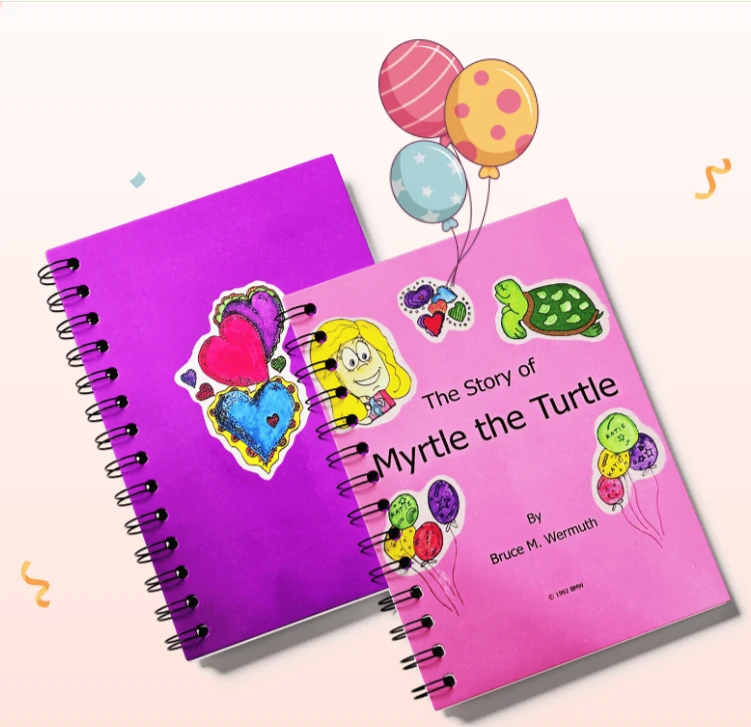
Some of the best new books for kids feature characters who face challenges and figure out how to overcome them. "Myrtle the Turtle" by Bruce M. Wermuth is a great example. The story follows a girl named Katie who receives a turtle for her birthday and learns to solve problems with creativity and the support of her parents. When things go wrong, Katie discovers that asking for help and thinking through challenges can lead to solutions where everyone wins.
Humor & Silliness
Not every book needs a deep message. Sometimes kids just want to laugh. New picture books with absurd premises and funny characters are always popular.
Early Readers Worth Checking Out
For kids who are starting to read on their own, early reader books provide the right balance of challenge and accessibility. Here are some trends in recent releases.
Series Books
Kids love series. Once they find characters they connect with, they want more adventures. New early reader series are launching regularly, giving young readers plenty of options. Look for series with engaging characters and stories that build on each other.
Nonfiction for Beginners
Nonfiction early readers have gotten better in recent years. Publishers are producing books about animals, science, history, and more with simple text and engaging visuals. These books satisfy curious minds while building reading skills.
Graphic Novel Formats
Graphic novels and hybrid books that mix illustrations with text have exploded in popularity. For kids who are visual learners or who feel intimidated by pages full of words, these formats can be a gateway to reading.
Chapter Books for Growing Readers
As children progress, they are ready for longer stories with more developed plots. Recent chapter book releases offer plenty of options.
Adventure & Fantasy
Adventure stories remain popular with this age group. New releases in the fantasy genre often feature kids discovering hidden worlds, developing special abilities, or going on quests. These books spark imagination and keep pages turning.
Realistic Fiction
Not all kids want dragons and magic. Realistic fiction that deals with everyday life, friendships, school, and family continues to be a strong category. New books in this space often address contemporary issues in age-appropriate ways.
Mystery & Suspense
Kids love a good mystery. Recent releases in this genre feature young detectives solving puzzles and uncovering secrets. The suspense keeps readers engaged, and the problem-solving elements encourage critical thinking.
Nonfiction for Curious Kids
Nonfiction books for children have improved dramatically in recent years. Publishers are investing in high-quality nonfiction that is both informative and visually appealing.
Science & Nature
Books about animals, space, weather, and the natural world are always in demand. New releases often feature stunning photography alongside accessible text.
History & Biography
Biographies written for kids introduce them to notable figures and historical events. Recent releases have expanded the range of people featured.
How Things Work
Kids are naturally curious about how the world operates. Books that explain technology, engineering, and everyday processes in kid-friendly terms are popular choices.
What Makes a New Release Worth Reading
With so many new books for kids coming out, how do you decide which ones are worth your time and money? Here are a few things to consider.
Quality Writing
Good children's books are well-written. The sentences flow, the dialogue sounds natural, and the story holds together. Read a few pages before committing to see if the writing meets your standards.
Meaningful Content
The best books leave kids with something to think about. Look for stories that address themes like kindness, perseverance, empathy, or self-confidence. "Myrtle the Turtle" does this by showing a child learning to solve problems and respond to unkindness with compassion. Books with substance tend to stick with readers longer.
Engagement Factor
Does the book hold attention? Kids have options competing for their focus. A book that grabs them from the first page and keeps them interested is more likely to be read all the way through.
Age Appropriateness
Make sure the content matches the child's developmental stage. Check reading level indicators and read reviews from other parents to get a sense of whether a book is right for your child.
Where to Find New Releases
Staying up to date on new books for kids takes a little effort, but there are resources that make it easier.
Bookstore Staff Picks
Independent bookstores and chain stores often highlight new releases with staff recommendations. These picks come from people who read a lot of children's books and know what is worth attention.
Library Displays
Libraries frequently feature new arrivals. Browsing these displays is a free way to discover recent releases and try them before buying.
Online Lists & Blogs
Websites dedicated to children's literature publish lists of anticipated releases and reviews of new books. Following a few of these sources can keep you informed about what is coming out.
Social Media
Authors, publishers, and book enthusiasts share news about new releases on social media. Following relevant accounts can put new books on your radar.
Supporting New Authors
While established authors continue to produce quality work, new voices in children's literature also deserve support. First-time authors often bring fresh ideas and perspectives.
Bruce M. Wermuth, a child psychiatrist, wrote "Myrtle the Turtle" to share lessons about problem-solving and emotional resilience with young readers. His background in child development informed the story, making it both entertaining and meaningful. Authors who bring real expertise to their writing often produce books that stand out.
Building a Collection of New Favorites
As you discover new books for kids that resonate, add them to your home library. A collection that includes both classics and recent releases gives children a well-rounded reading experience.
Mix Old & New
Balance timeless titles with fresh releases. This exposes kids to different writing styles and perspectives while keeping the collection current.
Revisit & Rotate
New favorites might get read over and over. Keep these books accessible and rotate others to maintain interest. Over time, you will develop a sense of which new releases have staying power.
Final Thoughts
New books for kids offer something that older titles cannot: a connection to the world children are living in right now. By staying aware of recent releases and choosing books with quality writing and meaningful content, you can keep young readers engaged and excited about books.
Take time to explore what is new, ask for recommendations, and be willing to try unfamiliar authors and genres. The next great read might be a book that just came out this year.