Daniel E. Ansel’s ‘Dual Realities’ Examines How Spiritual Beliefs and Modern Psychology Shape Human Agency
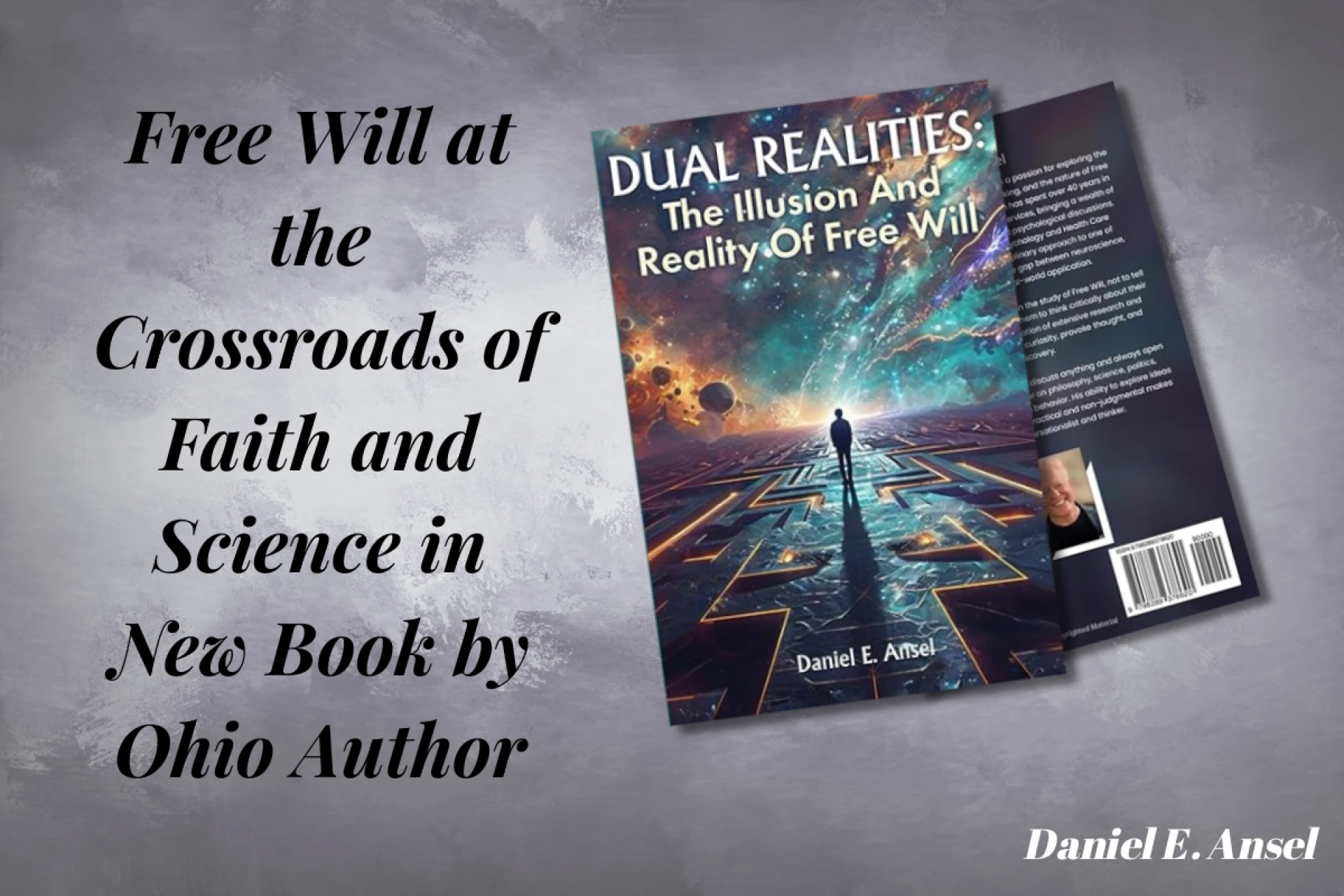
In an era marked by both spiritual searching and scientific advancement, a new book by behavioral health expert Daniel E. Ansel offers a rare meeting point between two seemingly opposing forces: faith and neuroscience. Dual Realities: The Illusion and Reality of Free Will explores the diverse ways religious traditions and empirical science interpret the nature of human autonomy, and what that means for individuals and communities navigating moral responsibility.
With more than four decades of experience in mental health, ethics, and public systems, Ansel draws from a wide spectrum of worldviews, including Christianity, Islam, Judaism, Hinduism, and Buddhism, to examine how sacred texts and teachings approach the concepts of free will, predestination, sin, karma, and divine will. At the same time, he introduces readers to psychological and neurological research that challenges whether the choices we make are truly conscious, or largely conditioned.
“For centuries, religion has told us we’re accountable to a higher power for our actions,” said Ansel. “But modern science suggests many of our decisions are made before we’re even aware of them. The tension between belief and biology isn’t just intellectual, it affects how people understand guilt, redemption, and identity.”
What sets Dual Realities apart is its non-adversarial tone. The book does not dismiss religious conviction, nor does it elevate scientific materialism. Instead, Ansel explores how both frameworks can coexist, or conflict, depending on how they’re applied in daily life.
“This book doesn’t try to prove or disprove the existence of free will,” said Rev. Carla Simmons, a Boston-area chaplain who previewed an early manuscript. “It helps readers understand how our sense of choice is shaped by what we believe, where we come from, and how we interpret the world around us.”
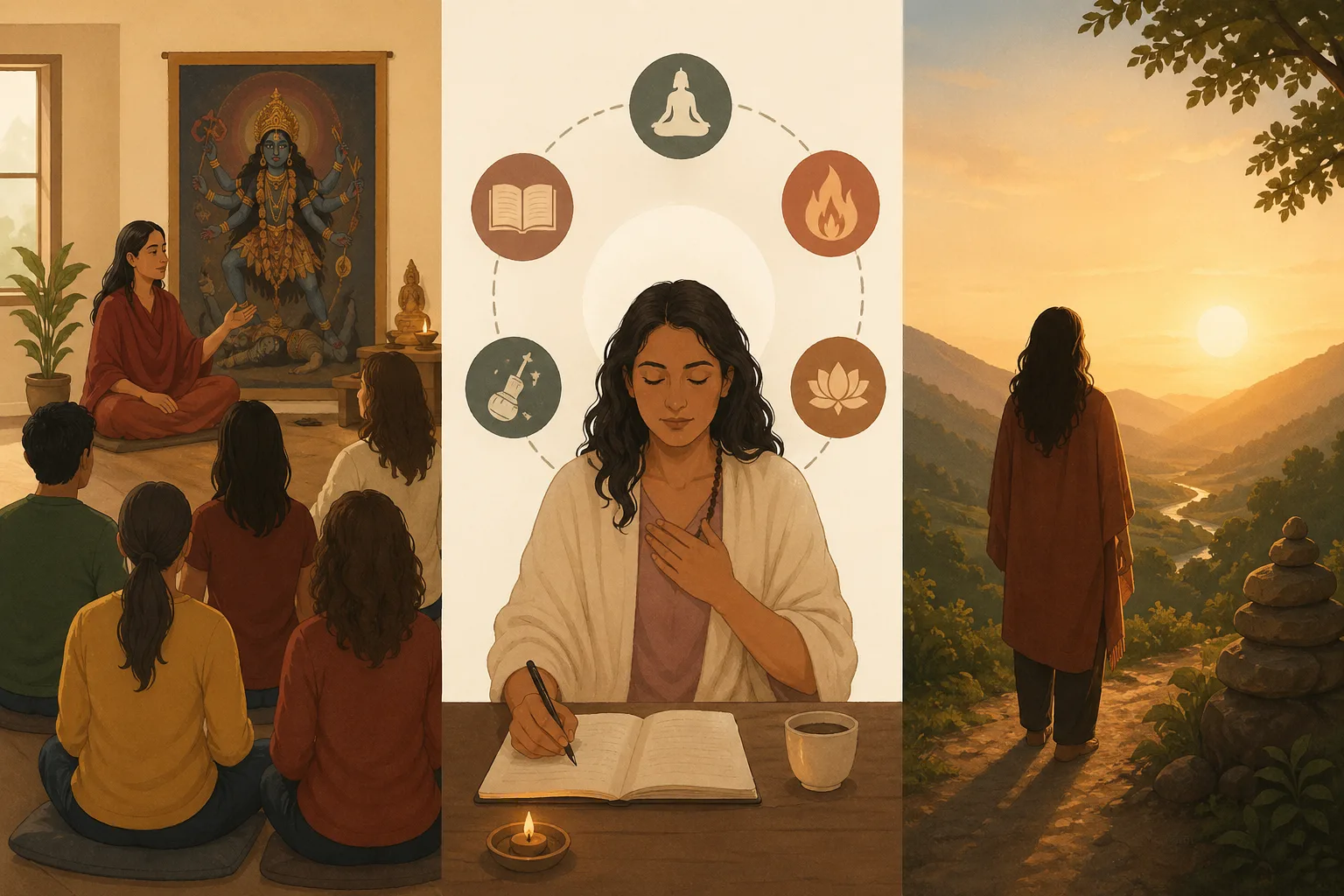
Dual Realities arrives at a time when faith communities and mental health professionals alike are grappling with questions of agency in the context of trauma, recovery, and behavioral change. The book also reflects on how spiritual practices like meditation, prayer, and confession may influence insight, self-awareness, and intentional action.
“The ways we think about choice influence everything, from how we judge others to how we heal ourselves,” Ansel added. “Whether you come from a religious tradition or a scientific worldview, it’s worth asking: what does it mean to choose?”
About the Author
Daniel E. Ansel is a writer, behavioral health strategist, and ethics consultant based in Cincinnati, Ohio. His work spans clinical practice, public service, and education, with a focus on the psychology of decision-making, cultural belief systems, and moral responsibility. Dual Realities is his first full-length book.